Diablo 4: Lord of Hatred DLC Review – Let Hate Devour You
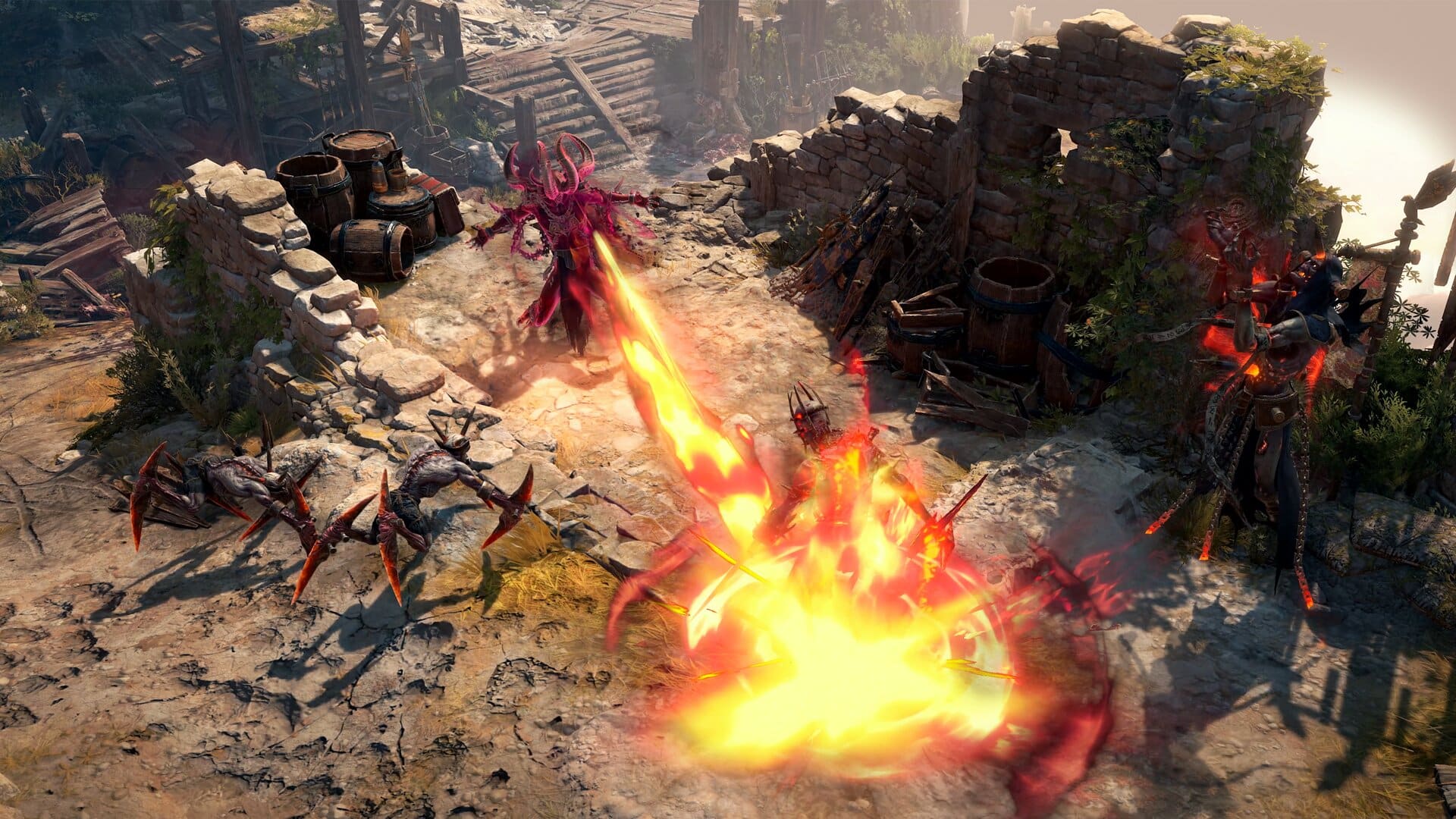
You can feel it in your soul that evil is once more making your life more miserable than it is. But even so, are you ready to take on a Prime Evil once more, wanderer? From the moment Diablo IV: Lord of Hatred begins, Sanctuary feels like it’s already losing, crumbling under the creeping weight of Mephisto’s influence, darker and more desperate than anything the base game dared to attempt. He will stop at nothing to take everything and make it his from Litlth’s death to Eru betraying Neyrelle. You saw at the end of Diablo 4: Vessel of Hatred that Mephisto has taken over Akarat’s corpse.
MP1st went hands-on with the full DLC ahead of release, and before diving deeper, it’s worth flagging that what follows contains light story spoilers, and some details may still shift between now and launch. Don’t worry, any major spoilers or lore will not be revealed to let you experience the incredible work the game devs put into it. With that caveat out of the way, what we played paints a remarkably clear picture of what Blizzard is building here.
Lord of Hatred arrives with something you don’t always expect from a second major expansion: excitement and anticipation of where this will lead. With the ending trailer for Vessel of Hatred and the latest trailer revealing a paladin fighting Mephisto in his demon form, you cannot help but be in awe of the absolute cinematic and of what the story will unfold. You feel it in the way the campaign refuses to hold your hand, in the heavier tone that lingers long after each session, and in the deliberate pacing that trusts players to sit with the weight of what’s unfolding around them.
New mechanics, two new classes, and the continuation of the story where it left off. So let us get into it.
Two Classes, One Exploration to Uncover
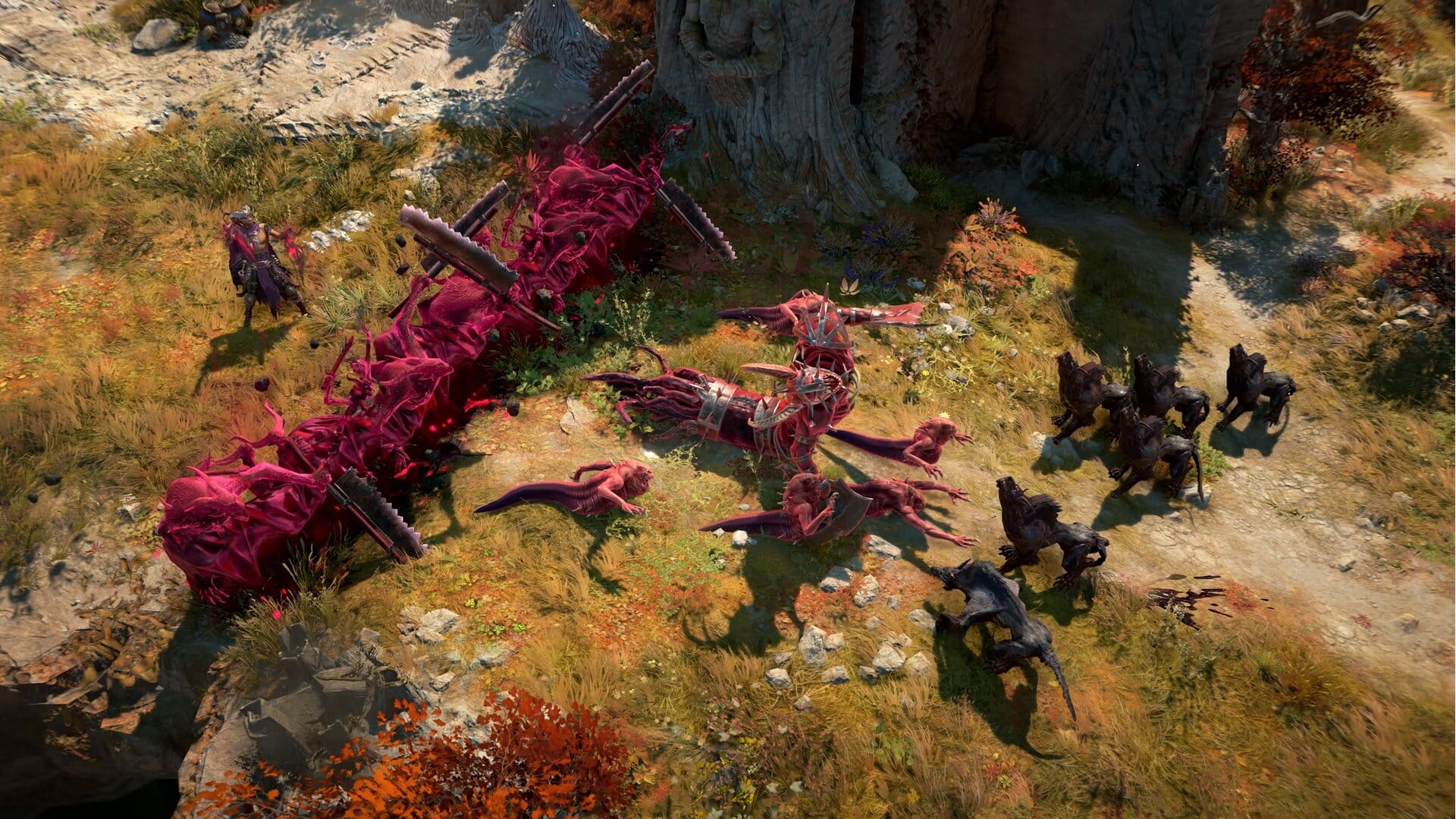
Want to try a new class? How about two new classes: behold the warlock and paladin, both of my favorite classes that I played in World of Warcraft, now brought into Diablo 4. I can say it was very awesome to play both.
The warlock class immediately stood out to me as the more exciting of the two, even though I spent time with both. There’s something satisfying about bending demonic power to your will rather than simply destroying it. The class thrives on controlled chaos. You summon, sacrifice, and re-summon constantly, creating a loop that feels aggressive and deliberate at the same time (try to achieve a balance; you will see what I mean). You can also bind or become a demon yourself. What makes the Warlock click is how active it feels. You’re actively cycling through abilities, making split-second decisions that can either push your power further or push you too far into corruption. That tension gives the class a unique rhythm that kept me engaged longer than expected.
The paladin is exactly what it sounds like: a heavily armored, shield-bearing holy warrior trained by the Wardens of Light. What makes it interesting beyond the obvious fantasy is the Oath system. Four oaths define your playstyle, pushing you toward different approaches to combat, from absorbing punishment and protecting allies to laying down righteous judgment without hesitation. So play around and feel what the holy path has in store for you. Will you deliver retribution, be a defender, or be a holy walking bashing machine? So properly equip yourself and take on the challenge.
Not to worry if you want to stick to the characters that you already have, as they have new skill variants, level increase, and a few other perks to enjoy continuing to play what you have.
Skovos is a remarkable setting. The ancient birthplace of the firstborn civilization, former home to both Lilith and Inarius, it carries a mythological weight that feels genuinely earned rather than manufactured. Every corner of Skovos tells a story, and the environmental storytelling does a lot of heavy lifting to pull you deeper into the lore before the campaign even has a chance to fully lay its cards on the table. There is a lot to discover, so I recommend focusing on the region’s main quest, then completing the rest of the side quests to get a slightly bigger picture of what is happening for those who are more story-focused.
The main campaign itself is a highlight, even if you don’t do any side quests. The continuation of the Diablo 4 saga picks up with real momentum, and the writing does justice to Mephisto as the Lord of Hatred. He isn’t just a looming threat or a name dropped in loading screen text. His presence is felt throughout, and the story builds toward its confrontations with genuine urgency. I found myself invested in every chapter, pushing forward not just to level up or grab better loot, but because I actually wanted to see what happened next.
For players jumping in fresh, the expansion also bundles in Vessel of Hatred, meaning you won’t be walking into Skovos missing context from the first expansion. It’s a smart move that keeps the full arc of the Diablo 4 saga accessible without making newcomers feel like they’re catching a movie halfway through.
New System, New Discovery
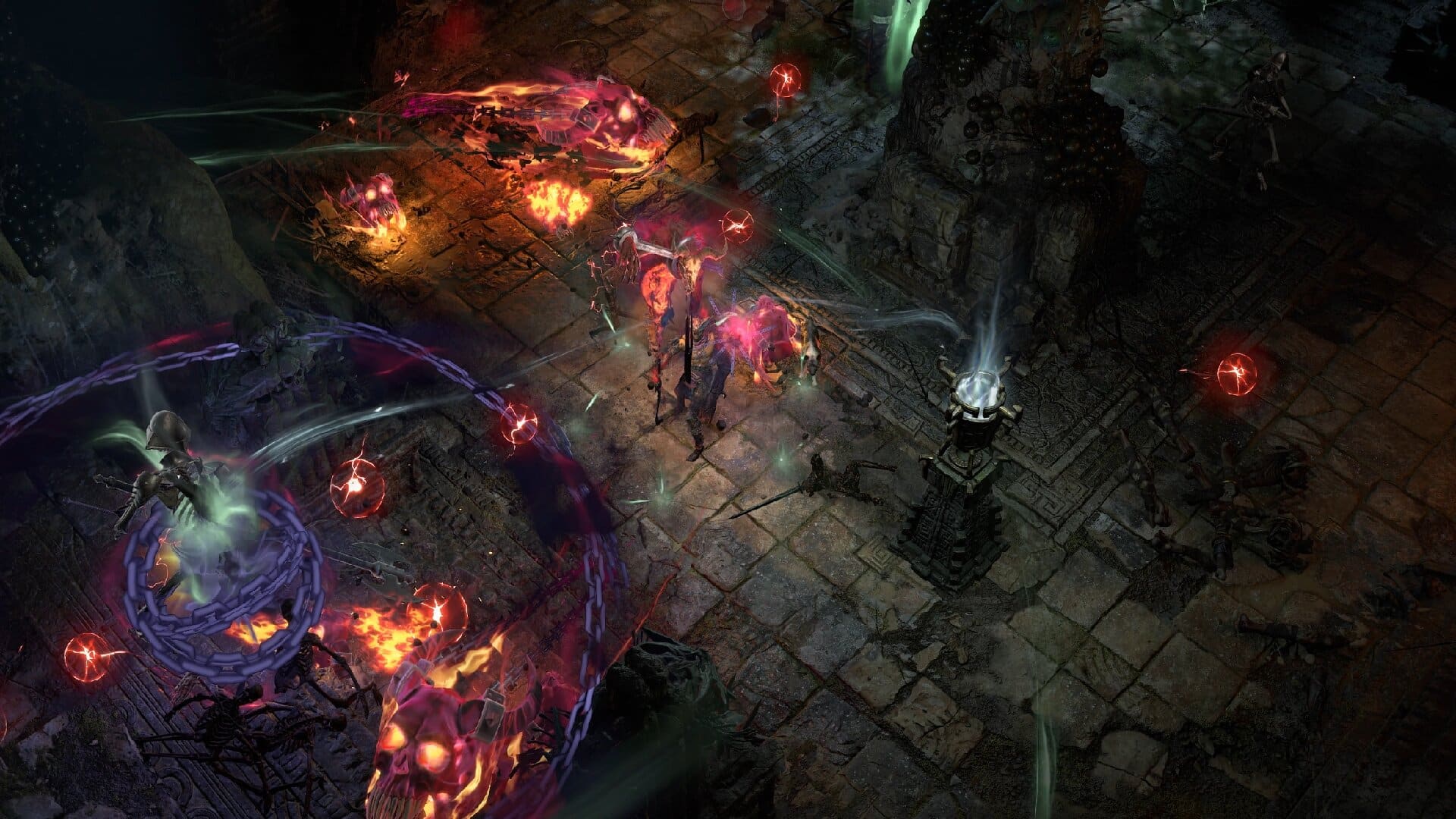
The combat system has not changed much from the usual spamming and rotating your abilities and skills, while dodging and staying alive. The game runs smoothly throughout my playthrough, with no hiccups. If you are experiencing an issue, please make sure the game fully downloads before starting.
Lord of Hatred layers in a number of new systems, and I won’t pretend the first hour or two doesn’t come with a bit of a learning curve. Between the Talisman, the Horadric Cube, overhauled skill trees, new skill variants, set bonuses, a new Loot Filter, and level cap increases, there is a lot being introduced in a relatively short window. It can feel overwhelming at first glance. However, if you want to min-max your character, this is probably a good start to learn a bit of what the new system has to offer. It is pretty straightforward for those who have been playing since the base game, but for those like me who have been away for a long break, it can be a lot to take in.
The Talisman is a standout addition. It functions as an equippable customization layer where you slot Charms to activate bonuses and build toward set rewards. Set Charms carry the most potential, and stacking multiple Charms from the same set unlocks additional bonuses that can meaningfully shape your build. You will be given one in the early part of the game, and be sure to equip and swap out charms as you collect them.
The Horadric Cube, unlocked near the end of the campaign, slots naturally into the endgame loop. Through a range of recipes, you can upgrade gear, forge new items tailored to your build, and refine your loadout in ways that feel purposeful rather than busywork. It’s a cornerstone of late-game customization and a welcome callback to Diablo history. I did not get a chance to explore most of this function, but I am happy the devs added it to the endgame.
Skill tree reworks across all eight classes also freshen things up considerably. New skill variants give veteran players a reason to revisit builds they thought they knew, and the level cap increases add room to grow without making progression feel stretched. While I did not play older classes, I have heard from those who did mention that there was an improvement in the class they played.
Those who want to rush through the game, especially in Brutal mode, where you will lose your character, I highly recommend to properly equip yourself. I can say I lost my one character the first time I went into the fray. I had to change equipment and respec some of my skills for a more survival-focused build.
Endgame That Keeps You Coming Back
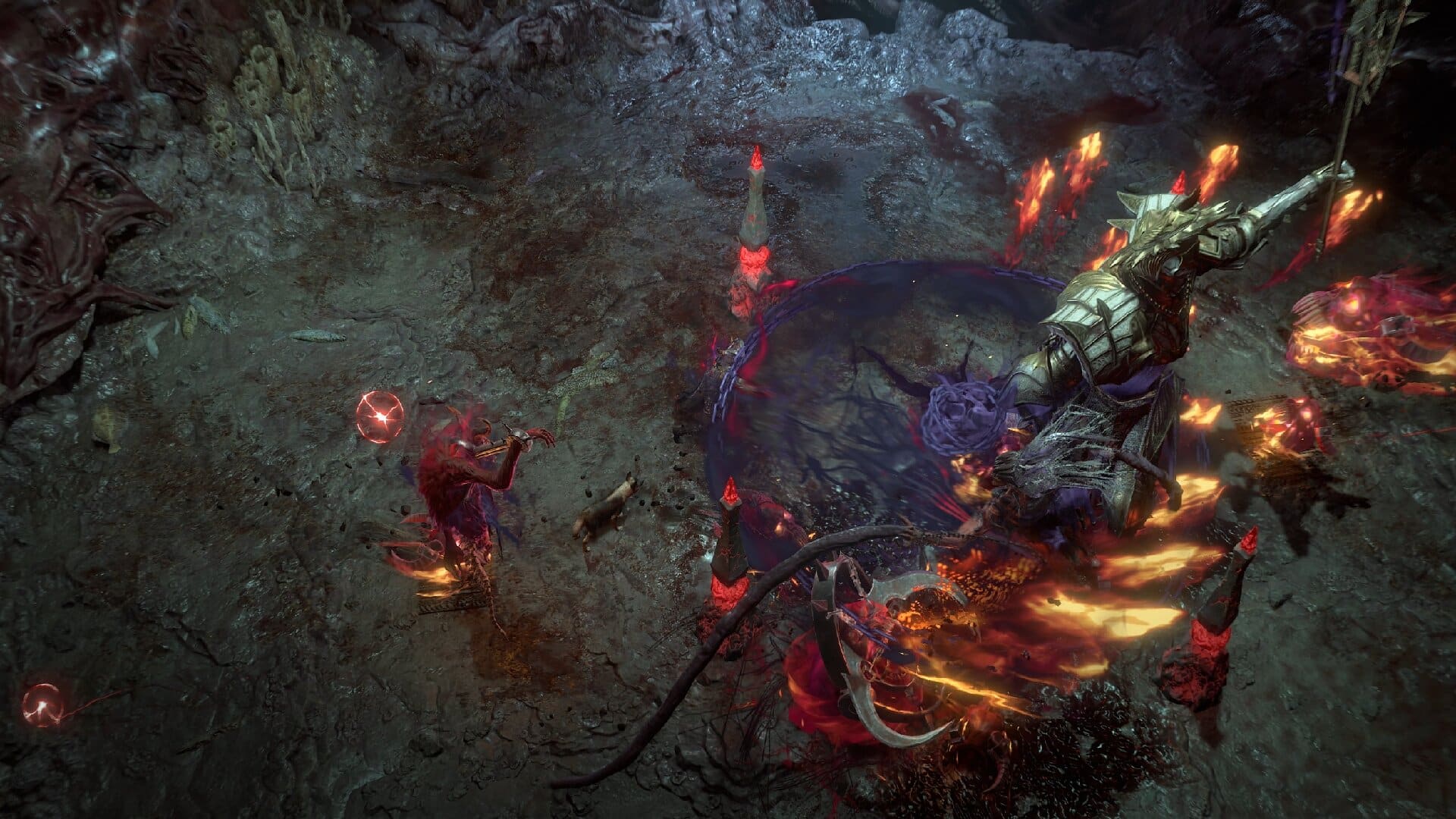
If you have survived till the end, then do not worry; there is more to do, and you can enjoy the endgame content the game devs have created.
War Plans are the centerpiece. After the epilogue, players can craft custom endgame playlists of up to five activities, pulling from The Pit, Infernal Hordes, Helltides, Nightmare Dungeons, Lair Bosses, and Kurast Undercity. As you complete activities, you earn progression through a unique activity tree with its own reward track. It puts control in your hands rather than funneling you down a single path, and that flexibility makes a real difference in keeping the grind from feeling like a grind.
Echoing Hatred brings a more punishing option for players who want to test their limits. A hyper-rare event that deploys endless waves of enemies with escalating difficulty, it demands a rare item called a Trace of Echoes to access and rewards players who can push deep into its increasingly brutal waves. It’s the kind of content designed for a specific type of player, and it’s better suited to those who know exactly what they want.
And then there’s fishing. Yes, fishing. Available early in the game, so make sure not to miss out on it. Fishing is an optional side activity spread across the waterways of Skovos, and even the molten rock if you’re feeling adventurous. It’s a breather, a palate cleanser between the intensity of the main and side quests, and a surprisingly satisfying way to collect rewards and explore the world at a slower pace. I found myself returning to it more than I expected, and that says something about how well it fits into the overall texture of the experience. Yes, I spent quite a bit of time trying to collect different fish.
It can be a lot to take in at first, and some players may need a few sessions before everything clicks. But once it does, you will not stop until you finish it. Diablo 4: Lord of Hatred is set to be released on April 28 on Xbox One, Xbox Series X|S, PlayStation 4 & 5, and Steam.
Pros
- Warlock and Paladin both bring distinct and rewarding playstyles
- Endgame offers real player agency with War Plans and Echoing Hatred
- New systems like the Talisman and Horadric Cube add meaningful depth
- Fishing is a surprisingly welcome breather from the chaos
- Incredible storyline that made it more epic and rewarding

Cons
- New systems can feel overwhelming in the opening hours
- Lots of grinding for those who don't like to grind
Diablo 4: Lord of Hatred was provided by the publisher. You can read MP1st’s review and scoring policy right here.
This website contains affiliate links. If you click a link and make a purchase, we may earn a commission at no additional cost to you. This helps support our work. Learn more on our affiliate page.