

007 First Light Review – Uncharted Territory
While the James Bond franchise has been active in movies, the same can’t be said for the brand in games. The last game based on the IP was 007 Legends, which was released in 2012 to mediocre reviews, essentially sinking the brand.
That’s about to change with 007: First Light. IO Interactive, the studio best known for the Hitman franchise, is taking the reins of the James Bond brand and steering it in a new direction. This time around, we get to see Bond when he’s first starting out; he’s not some super-spy just yet, but someone who’s new to the game and learning the ropes.
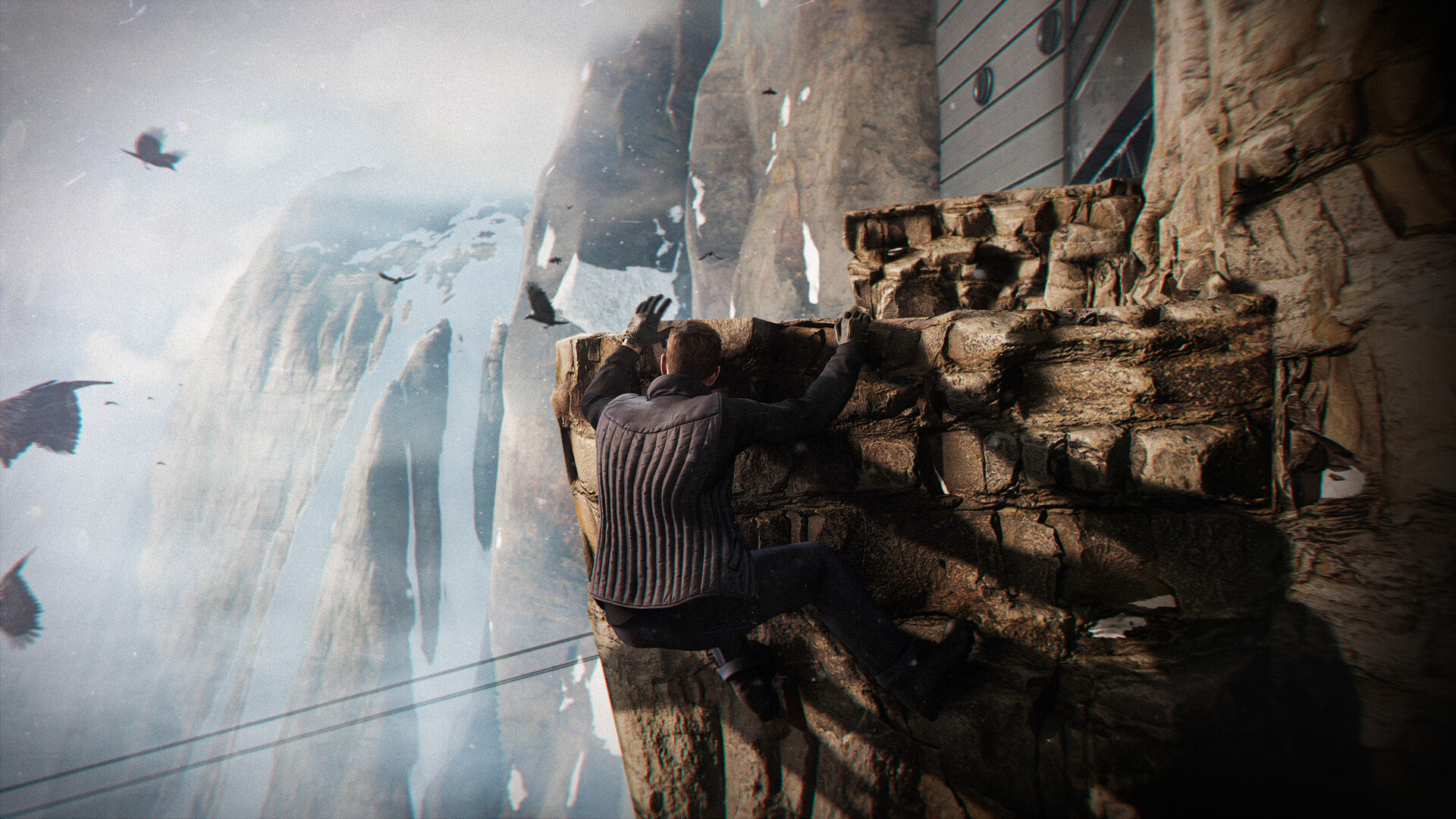
IO Interactive uses its expertise in third-person action gameplay and infuses it with the James Bond license, and even sprinkles in some of Naughty Dog’s Uncharted into the mix.
Earning the 007 Name
When it was announced that IO Interactive was going to be developing a 007 game, my first thought was, “Holy crap! What a perfect match!” The studio has worked on different IPs in the past, but their main focus has always been the Hitman franchise, with the last decade seeing them building Hitman: World of Assassination. A sandbox playground that has players literally stepping into the shoes of Agent 47 as they plan every course of their action in order to assassinate their assigned target. It was a game that played into the fantasy of being a hitman, and it did so masterfully, thanks to its intricate level design, unmatched stealth mechanics, and a deep appreciation for the art of preparation.
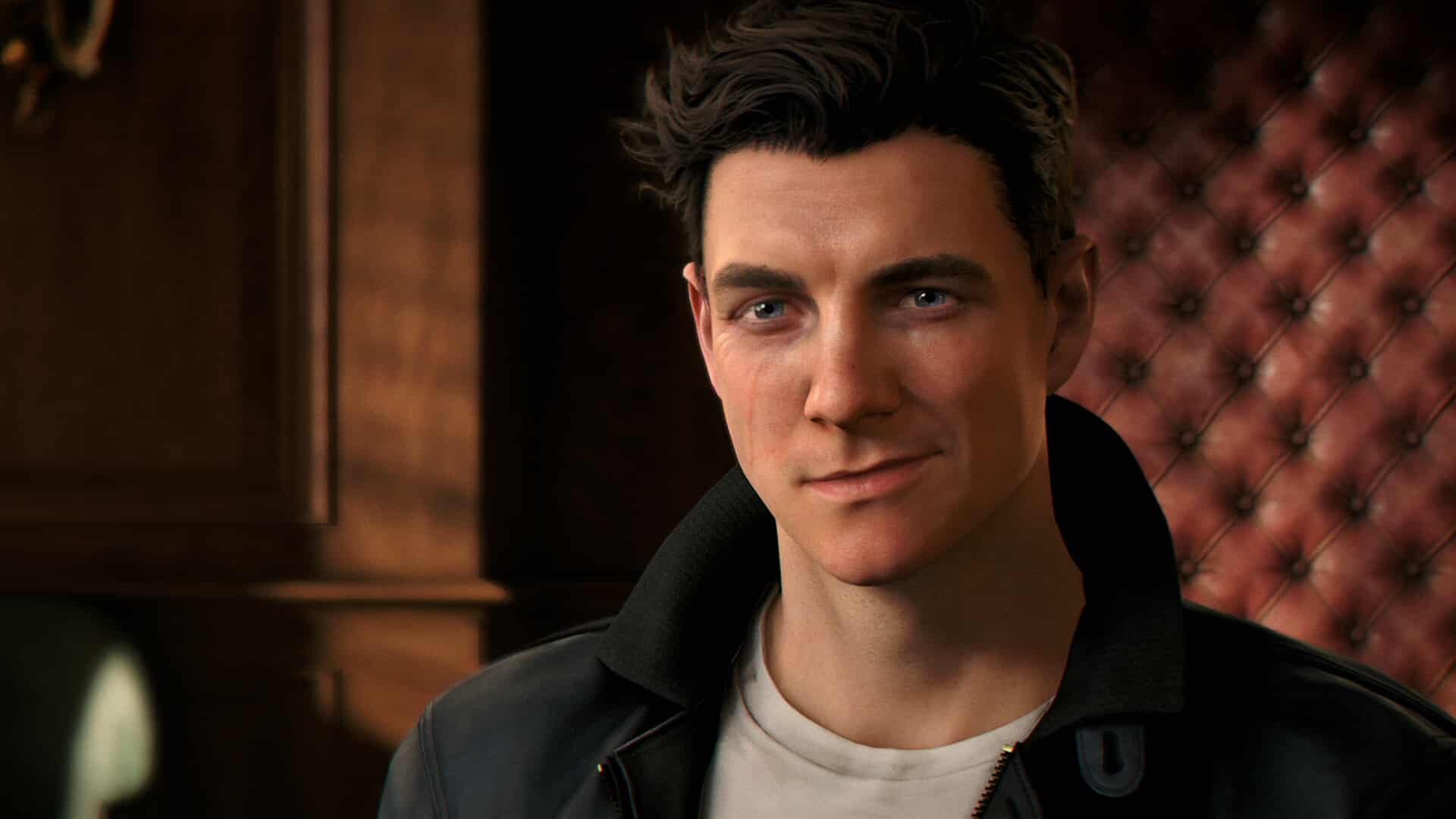
So the idea of them crafting a Bond game was already a match made in heaven. However, while the two IPs share many similarities, with Hitman undoubtedly inspired by the Bond franchise, they’re also very different. Where Agent 47 is meticulous in planning and cold and calculated with his work, Bond, on the other hand, is often more reactive, reliant on theatrical improvisation, and fueled by high-octane spectacle. He uses his good looks and charms, along with every facet of his personality.
Bond is the type of character who is allowed to screw up, but it often leads to a thrilling car chase or a witty comeback, and at the end of the day, he always ends up as the hero and gets the girl in the process. Agent 47, on the other hand, can’t afford a single mistake, because a blown cover often means a bullet to his head.
Two very similar ideas, yet very different experiences: for IO Interactive, crafting a Bond game means shifting from a studio focused on giving players complete freedom to one that is more structured, linear, and much more story-driven. And that’s precisely what you get with 007 First Light, a new, refreshing, modern direction for the IP that serves as an origin story for the world’s most famous secret agent.
When it comes to the story of 007 First Light, IO Interactive absolutely nails it as a classic Bond experience. As you would expect, it has everything you would want: Car chases, exotic locations, espionage, sex, high-tech gadgets, you name it. It’s a Bond film at its heart, and one that keeps you hooked from the very first moment it begins.
I’m not here to spoil any of the tale, but I did leave feeling pretty satisfied with how well IO Interactive balances the high-stakes grandeur of the films with a more grounded, gritty origin story. If their goal was to make me feel like I was stepping into the shoes of the legendary James Bond, they’ve absolutely succeeded when it comes to the story.
Of course, the writing is one thing, but to find a suitable actor to bring that character to life is another. I had my doubts when I heard they were getting Patrick Gibson to play as Bond. Like many, I was first introduced to the actor when he was cast as young Dexter Morgan in Dexter: Original Sins. It was a job that no one thought was ever going to be possible, given Michael C. Hall’s performance as the serial killer, and yet the moment he stepped on the screen to play the character, all doubts were cast aside, as he played the socially awkward killer perfectly.
Still, I didn’t peg him as being a choice to play as Bond, but after seeing what he pulled off in First Light, I’m fully convinced he is Bond. Playing as a much younger version of the character than we are typically used to, Gibson brings a raw, hungry energy to the role that feels entirely fresh yet instantly recognizable. You can see the rough edges of a man who has yet to perfect his craft in Gibson’s portrayal of a young Bond, and as the story goes on, you slowly see him weaponize and carve out that personality to what will eventually become the 007 agent we all know and love. He really brings it with his voice and motion capture, and they are some of the best I’ve seen.
Priyanga Burford (M), Lennie James (Lennie James, Bond’s Mentor), Kiera Lester (Miss Moneypenny), and the rest of the cast all play their role amazingly. Yes, even Lenny Kravitz, the celebrity guest, though I found his role, unsurprisingly, to be the least important, if not a little shoehorned. Not so much on his performance, just the part in general.
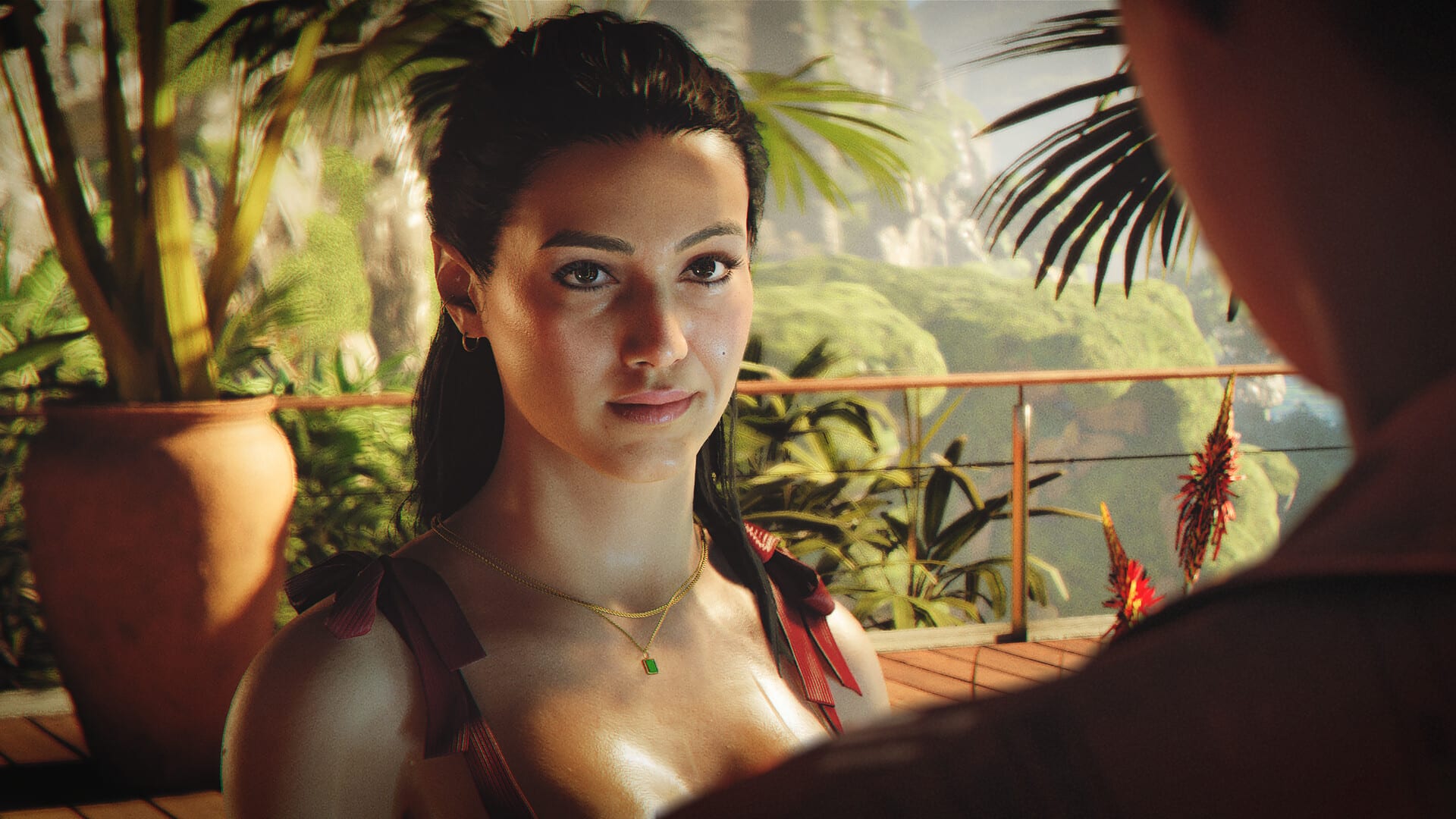
One thing I did want to bring up is how well the eyes are animated in First Light. They always say eyes are a window to the soul, but in First Light, I really believe that as they’re animated so well that you can see the emotions they’re portraying just from their eyes alone in some of these scenes. Seeing the consequences of someone’s action portrayed simply by the expression in their eyes, without a single spoken word, is a really powerful thing to bring to a scene. It’s easier to do in live-action because, well, it’s live-action. But in a video game? Perfectly animating and motion-capturing something like that is hard to get right, and IO Interactive has managed to do just that.
With a well-written story that feels like a classic Bond film, excellent acting, and, to top it all off, a soundtrack composed and co-written by the legendary James Bond composer David Arnold alongside singer-songwriter Lana Del Rey, there’s plenty to love about the game on a narrative front.
But what about the gameplay?
License to Play
If there’s one major flaw I found in 007 First Light, it’s undoubtedly the gameplay and how the world reacts to it. Given that IO Interactive has been working on the Hitman franchise for the last decade, with World of Assassination essentially a “perfect” sandbox experience, I was really curious to see how the studio would take that open-ended experience and shift it toward a more linear, story-driven one, and the results aren’t quite what I was expecting.
Now, to be clear, I didn’t go into 007 First Light expecting a Hitman game disguised in James Bond clothing. Far from it. Bond is its own experience, and anyone familiar with the franchise already knows the exact tropes and high-octane set pieces to expect, both of which First Light delivers in spades. However, the issue isn’t a lack of cinematic Bond flair; it’s how the underlying DNA of Hitman repeatedly clashes with it.
It’s clear very early in the game that this isn’t a Hitman clone, yet it tries to be one by pulling in certain mechanics that are only half-measured. This leaves you with something that doesn’t quite feel like it achieves its full potential.
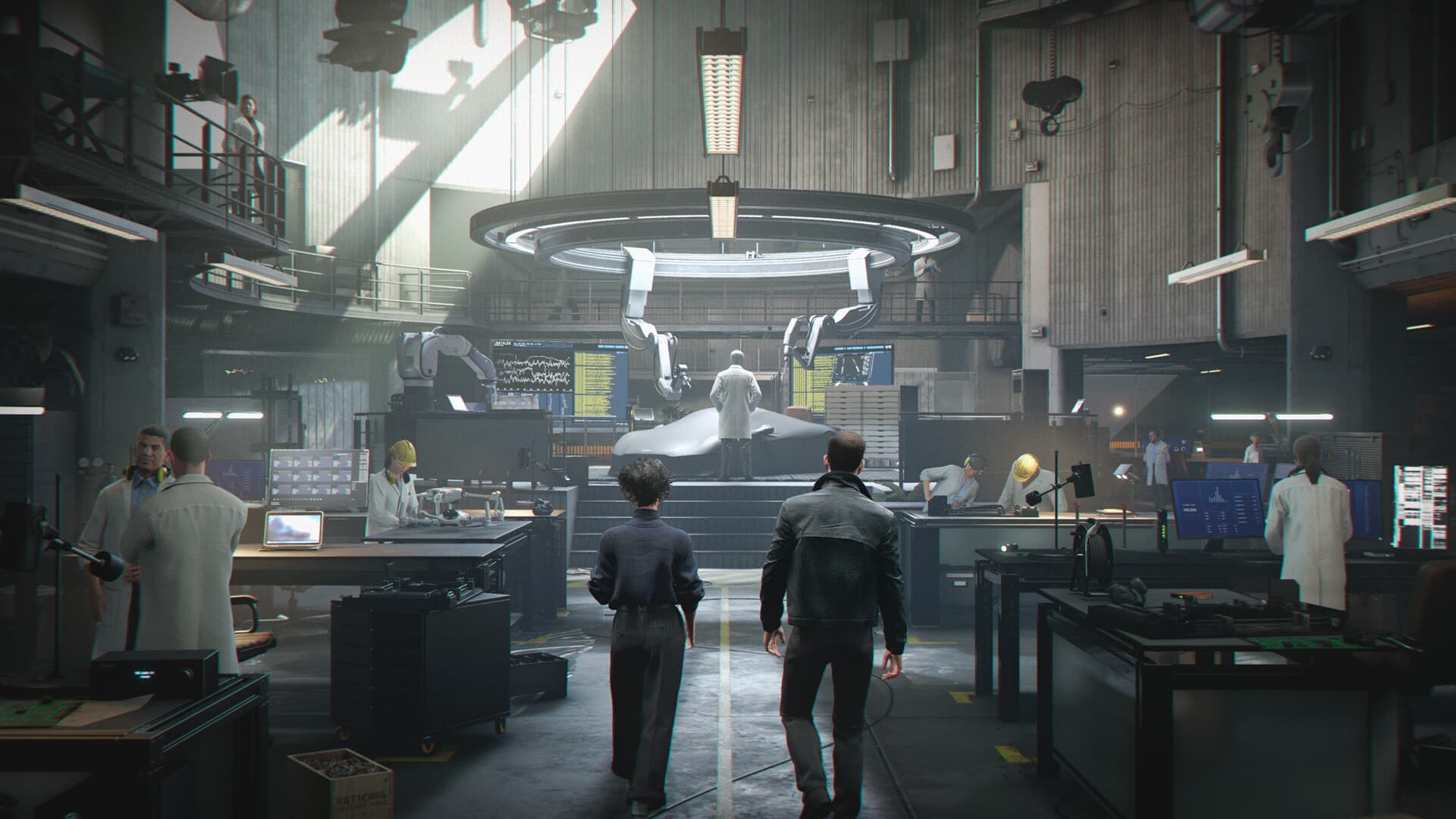
Structurally, the game is generally linear with corridor sections that you’ll move through, and larger levels to help simulate the IO Interactive freedom they built with World of Assassination. I don’t have an issue with linearity or even having large open areas, but the problem is that these zones don’t fully commit to either style, at least early in the game. They are too restrictive to satisfy Hitman veterans seeking creative opportunities, yet too loose and clunky to deliver the tight, polished action and high-risk sequences that a great James Bond game needs.
When you get to these larger sections of the game, it essentially turns into a Hitman-lite experience, minus any of the major consequences you get from your actions. Each big zone is designed to railroad you into the next big set piece. Not that I have a problem with that kind of design; it’s just that there’s really no risk tied to any of them. So let’s just say I needed a key to get into a place, and an NPC has it. Well, all I really need to do is shoot a dart at them that makes them nauseous for a moment, then pick their pocket in a room full of people that are watching you. No one will scold you for doing it, almost like you’re completely invisible. When that NPC feels better, they continue on with their scripted event, never once actually having use for that key you just nabbed from them, or even checking if they have it still.
Another instance, I shot a dart at one security member while two others were looking directly at them. As he began to stumble around, showing clear signs that something was wrong, the other two guards just went on with their day, as if that person were invisible. I did the same to two NPCs who were talking face-to-face. The dialogue stopped, with the other NPC just standing in place, awkwardly staring into the void until the other NPC returned to normal.
In comparison to Hitman, NPCs would react to not just you, but also to what’s happening around them. They see, they hear, and they react, be that with some form of expression and dialogue, which usually results in them reporting to a nearby guard. If a guard in Hitman finds a discarded weapon, they bag it and take it to security. If they find a puddle of water near an exposed wire, they avoid it. And if a target suddenly gets sick and rushes to a restroom, their bodyguard will actively track them to secure the area.
In this game, however, that illusion of a living, breathing ecosystem falls apart once you realize just how scripted every character is.
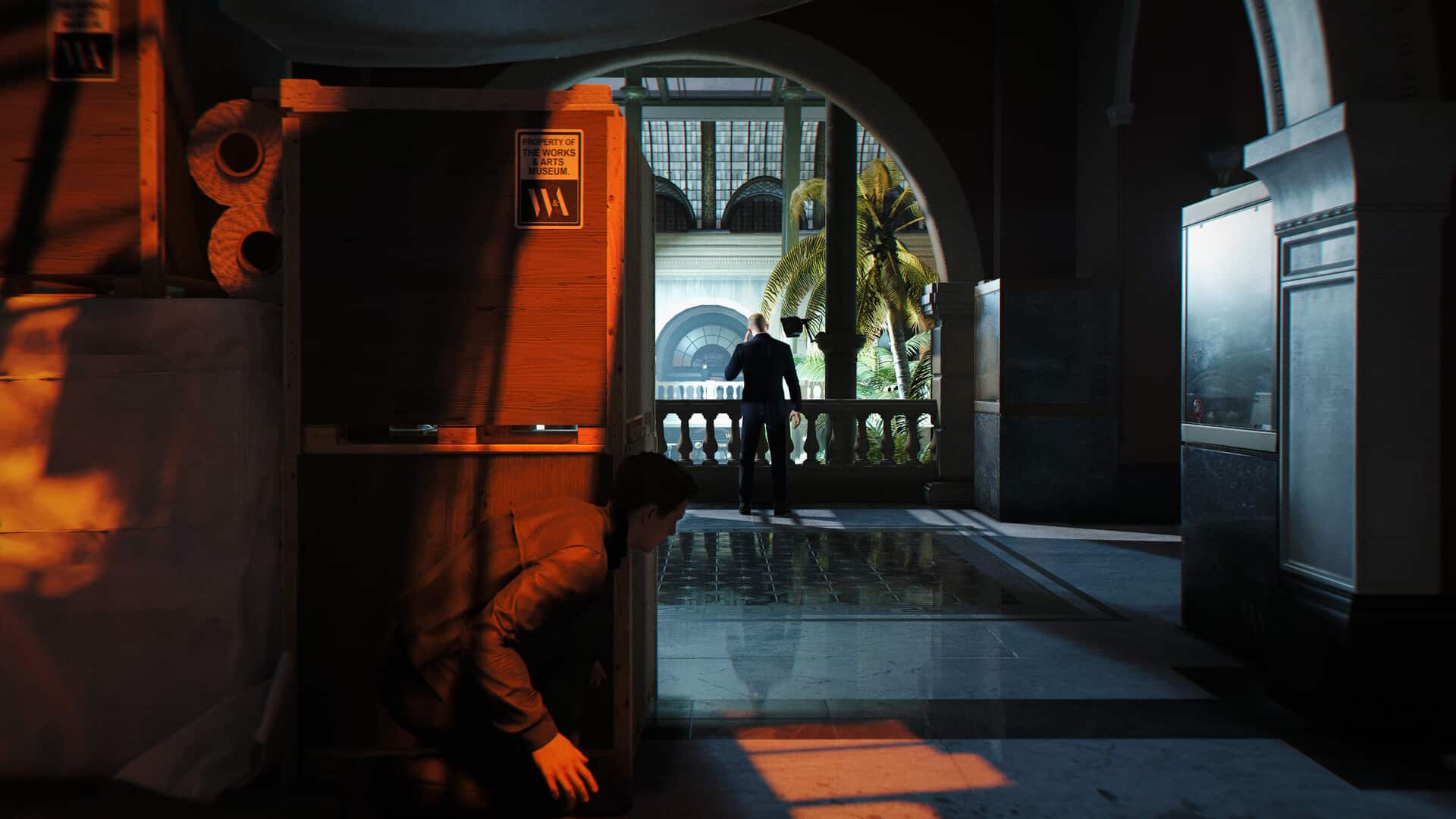
Again, I’m not expecting a Hitman game, because if I wanted that, well, then I would go play Hitman. But being someone who is coming from World of Assassination, it’s hard to ignore the obvious mechanics from that game, and seeing them completely watered down. Having James Bond go undercover means he’s going, well, undercover. There should be risks in a world where that should matter, especially one where you’re going to make it a point and have all these NPC interactions, that ultimately lead to nowhere.
But that comes with the struggle of balancing those mechanics with a closed system. And in all fairness, this doesn’t apply to the entire game. Mostly the first half, where in the second half, I do feel IO have managed to find that “perfect” balance of the mechanics, where they work in a meaningful and impactful way. These sections come in a much smaller dose of levels, keeping the experience close and personal, where Bond can really show off his spycraft. In fact, the third act of the game is very much the “Bond” experience I was hoping to see from IO, thanks to how much more dynamic and interactive the world feels in those areas.
It is still not without its faults, as the general combat can feel a bit dated at times. It’s a cover shooter and a stealth game that works oddly on a resource system. The melee combat is a real standout, drawing clear inspiration from Naughty Dog’s Uncharted and The Last of Us franchises, as well as a bit from Rocksteady’s Batman: Arkham games. Punches actually feel like they hit hard, and performing all these different combos on one enemy will never stop feeling satisfying. I love how Bond will use the environment to take down an enemy, too, and there are all kinds of things he can throw at them on the fly, including guns he picks up.
Then having some “Batman senses” that let him anticipate an enemy attack before it’s launched, in order to counter it. It wouldn’t be a Bond game either if it didn’t include all kinds of cool gadgets, like lasers, smokebombs, and other classic Bond tools, and all these can be used on the fly, whether you’re in hand-to-hand combat or shooting your way through. I think the melee combat is some of the best we’ve seen in a game, and IO really nailed that aspect of the combat down.
Where I do think there’s room for improvement is the general gunplay feel, some of its mechanics, and also the way gadgets work. The gunplay isn’t anything special, which, in all fairness, it didn’t have to be. Not every big game release has to be a revolutionary trendsetter, and thinking so just sets you up for disappointment. But I do think it could have a bit more refining to make it snappier and more responsive. That, and there’s oddly no blind firing of any sort. I know Bond is all about precision, but not having a way to blind fire from cover, meaning you have to poke your head out and expose yourself to a bunch of enemies, usually means you’re pop shooting, taking near-death damage, and having to sit back into cover as a swarm of enemies slowly surrounds you.
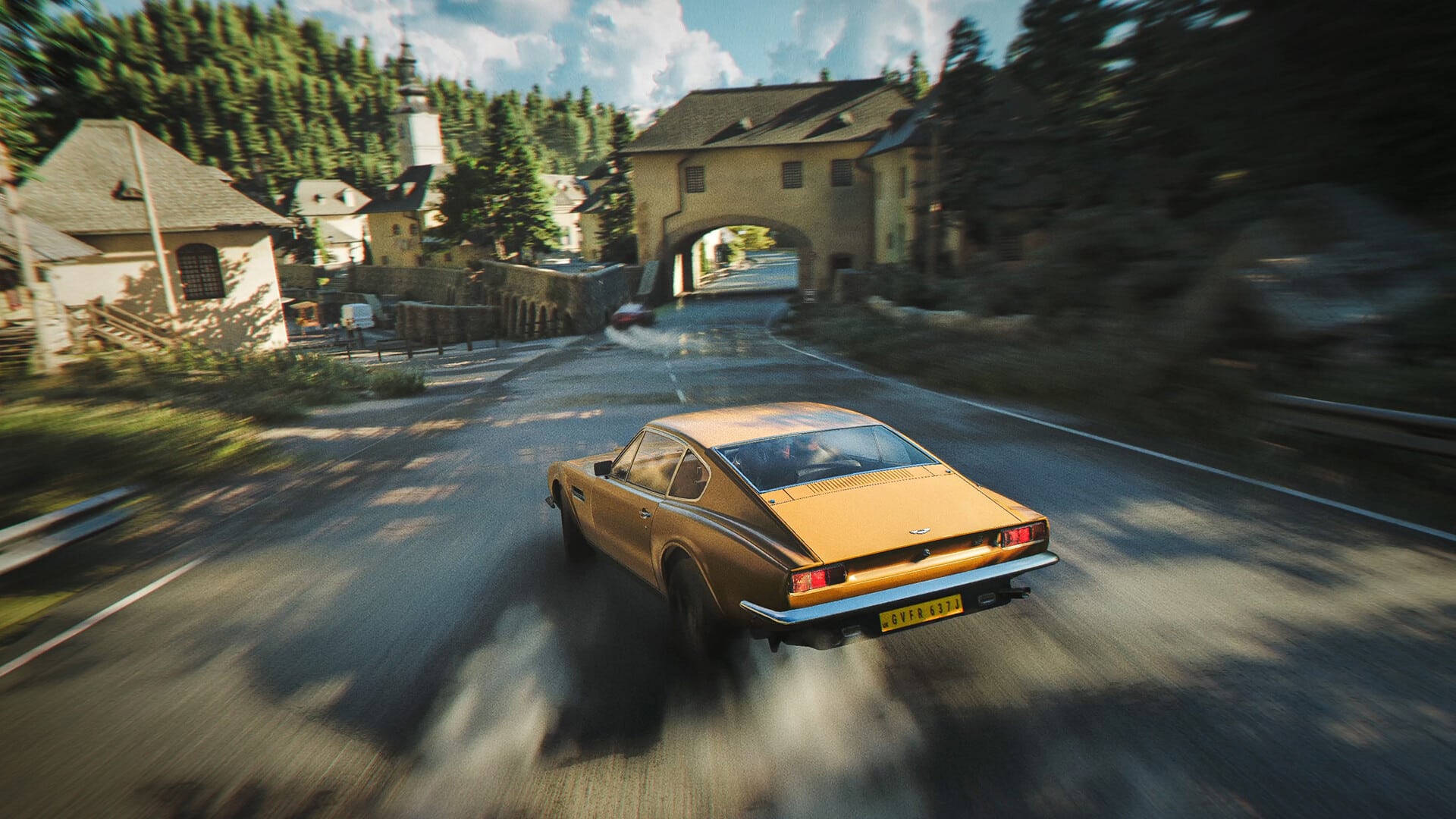
But that’s manageable. What I’m not a big fan of is the gadget resource system. I don’t mind that they need you to collect resources, but I do hate how limited they are. I get it, they didn’t want to make gadgets feel like a clutch, but having a cooldown system for them still could have avoided that. It’s more frustrating when you need to use your gadget in order to progress, like unlocking a door, but you don’t have enough resources, so you’re aimlessly wandering around, pinging your spy sense looking for a way to refill your gadget. It throws the pacing off completely.
Given that fast-paced combat hasn’t really been IO’s strongest suit in the past, it’s not entirely surprising that the gunplay and resource management feel a bit clunky here. Hitman was always about the meticulous setup and the clean escape, where pulling a trigger was usually a sign that something had gone terribly wrong. Transitioning from that slow, deliberate pacing to a Bond thriller is something that IO hasn’t quite perfected yet. I wasn’t expecting that to be the case right out of the gate myself, and what I will say is that IO has a great foundation, something they can improve and build upon on a sequel that hopefully happens.
The World Is Not Enough (But It Sure Is Gorgeous)
You know, for a spy game, it’s ironic that there is no Photo Mode, and that includes not even a dumb in-game camera of sorts you can freely use. I hope that changes down the road, because it should be a crime for any game that looks as good as 007 First Light not to have one. There’s probably a lot of work that goes into making a feature like that, but I would still love to see one eventually, because 007 First Light is, without question, an absolute showcase of the Glacier engine. Mind you, I’m saying this before it gets any kind of ray tracing and path tracing on PC, which are due in a post-launch update this Summer.
But anyway, it wouldn’t be a Bond medium if it didn’t mean we weren’t visiting all kinds of exotic locations, and 007 First Light absolutely delivers on that front with its globetrotting adventure. It’s a visual showcase, and seeing that this is an in-house engine developed by IO Interactive (one they’ve used for over 20 years now), I think this is the first time I’ve ever seen it be a true powerhouse in terms of visuals and performance. We know just how flexible it can be when it comes to mechanics and such, thanks to Hitman: World of Assassination. And while that game looked spectacular, 007 First Light really made me go, “Now this is a next-gen game.”
My captures simply won’t do it justice, given that they are in SDR format. But playing this with HDR on an OLED TV, yeah, everything really pops in terms of color representation.
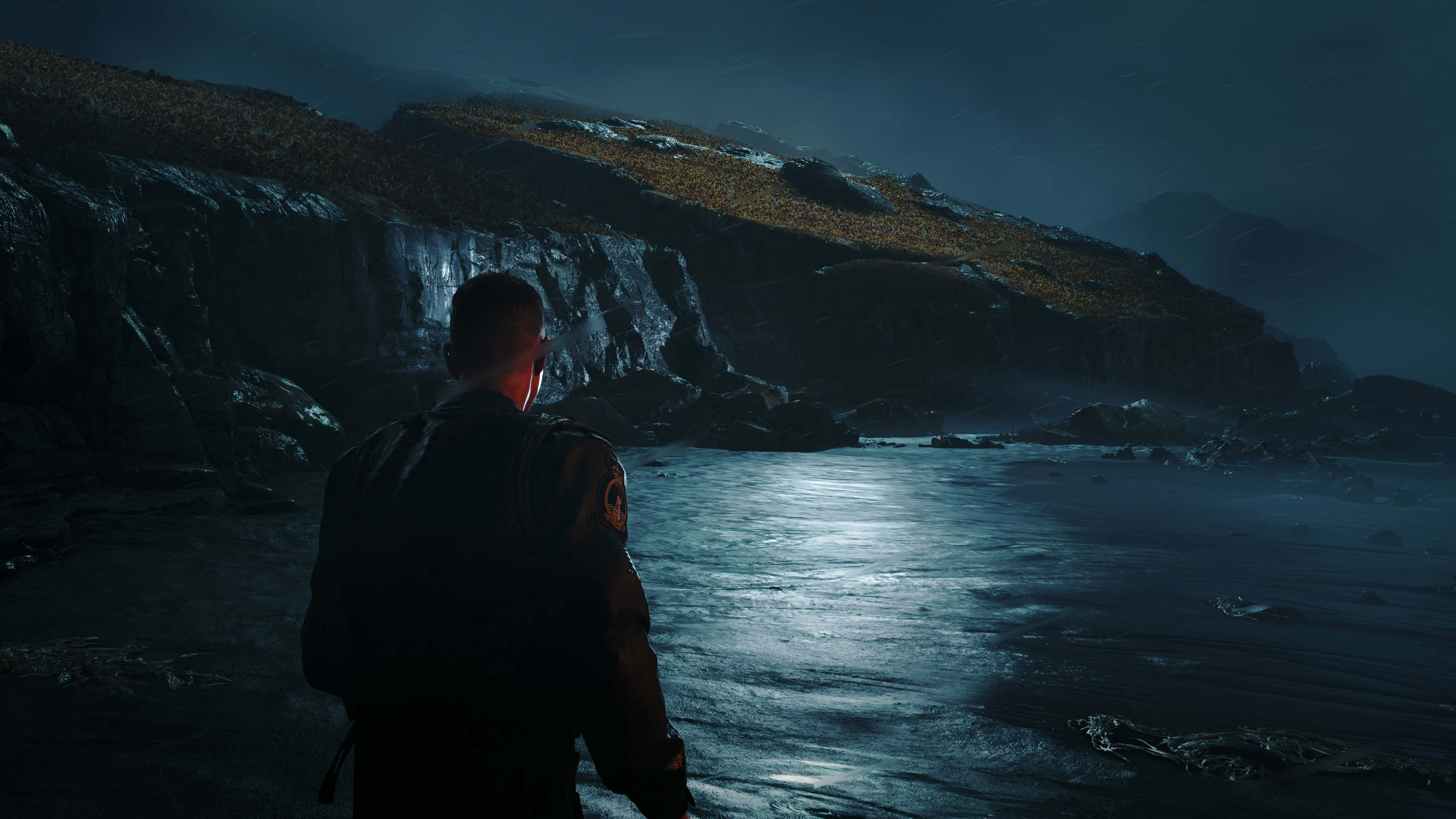
I love how IO manages to capture the “exotic” look that Bond films bring with their locations while also making them inherently dangerous. It’s such a beautiful game, and it’s clear that IO has brought a new level of fidelity to the Glacier engine’s visual tech. Textures are superbly detailed on both the environment and character models. Animations are even smoother and more life-like than ever before. I think this game has some of my favorite water effects because we get to see so many different variations.
There’s such a variety of environments that IO has us play in that it’s hard not to stop for a moment to take it all in.
I think reflections are among my favorite things in this game. They use a mix of screen spacing and Render-to-Texture (RTT). Screen spacing has its limitations: the object being reflected must be within the player’s view, but I love that IO didn’t take shortcuts with mirrors in the game and instead left them a blurry mess. Instead, they’re rendering a duplicate world essentially in the mirrors. It’s not as accurate as ray-trace reflection, and assets are generally lower quality, but it’s loads better than the alternative: no reflection at all.
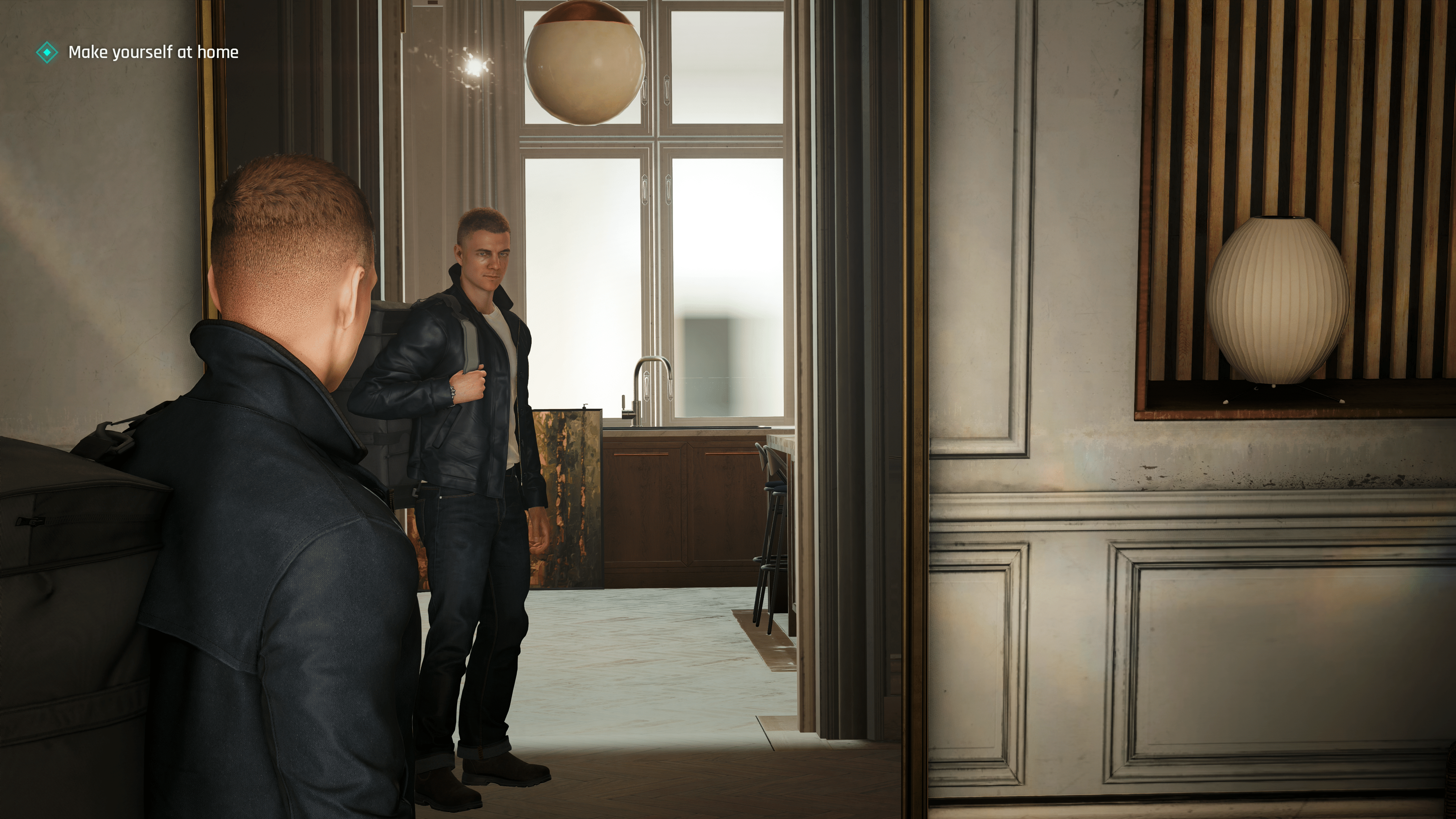
In terms of performance, I played the game on two machines. The first being my highest-end build, which is equipped with an AMD 9800XD CPU and an NVIDIA RTX 4090 GPU, targeting 4K (tested with DLSS Balanced and DLSS OFF) at 60 FPS with the rest of the settings cranked to their highest. In terms of performance, with a 60 FPS target, 007 First Light ran flawlessly, even with DLSS off. Given how action-packed it can get, with the whole screen at times lit up by explosions, I was rather impressed that there weren’t any noticeable dips in performance anywhere in the game.
The second build had a Ryzen 5 5600XT CPU and an NVIDIA RTX 3060. Not quite the minimum specs, with this particular setup targeting 1080P at high-to-medium settings, between 60 FPS and 120 FPS options. Outside of cutscenes, seeing some hitches, the gameplay ran just as smoothly.
I had my concerns, since Hitman: World of Assassination was far from optimized when it launched on PC back in 2023. That, and the early showing of the game, showed signs that FPS was an issue. Recent showing of it not so much, but it was still a concern I had. With 007 First Light, IO Interactive really focused on making sure that not only was it launching in a very polished state in terms of bugs and visual defects, but also that it was highly optimized and wouldn’t explode someone’s PC at any second.
Of course, everyone’s experience will differ in terms of performance on their builds at launch, but early indications look very promising. Here, I thought that, with review codes going out so late, the studio was trying to hide something before launch. Thankfully, that is not the case, at least when it comes to running the game on my machines.
From IO With Love: The First Step of a New Era

If there is one thing I’m even more certain of than when we first learned that IO Interactive was making a 007 game, it’s that they are still the perfect studio to be making a Bond game. As many have called it, it’s a match made in heaven, and, as the first entry in what is hopefully a long-running series, I think the franchise is in safe hands. It’s one thing to make an experience on an established IP; another to actually understand what makes that experience so great. IO has captured the soul of a Bond experience in 007 First Light.
With a strong foundation to build upon, a new era for MI6’s finest is upon us, and I cannot wait to see where IO Interactive takes the franchise next.
Pros
- A story that nails nails the classic cinematic Bond experience
- Phenomenal Cast & Acting
- Fantastic gameplay that feels like a blend of Uncharted and Batman Arkham
- Flawless PC performance, and generally a well optimized game.
- A showcase for the Glacier engine
Cons
- Gunplay is a bit dated in some regards, like no blind firing, and the controls not as responsive as I was hoping for.
- Watered-Down "Hitman-Lite" Mechanics - I wasn't expecting this to be Hitman, but it's hard to get passed the comparison when there's mechanics from it that don't feel fully realized for the Bond experience.
- Gadgets running on a resource system that felt like it broke the flow of combat and other interactions up.
007: First Light review code was provided by the publisher. You can read MP1st’s review and scoring policy right here.
