

Exodus Hands-On Preview – In the Far Future, There Is Only War
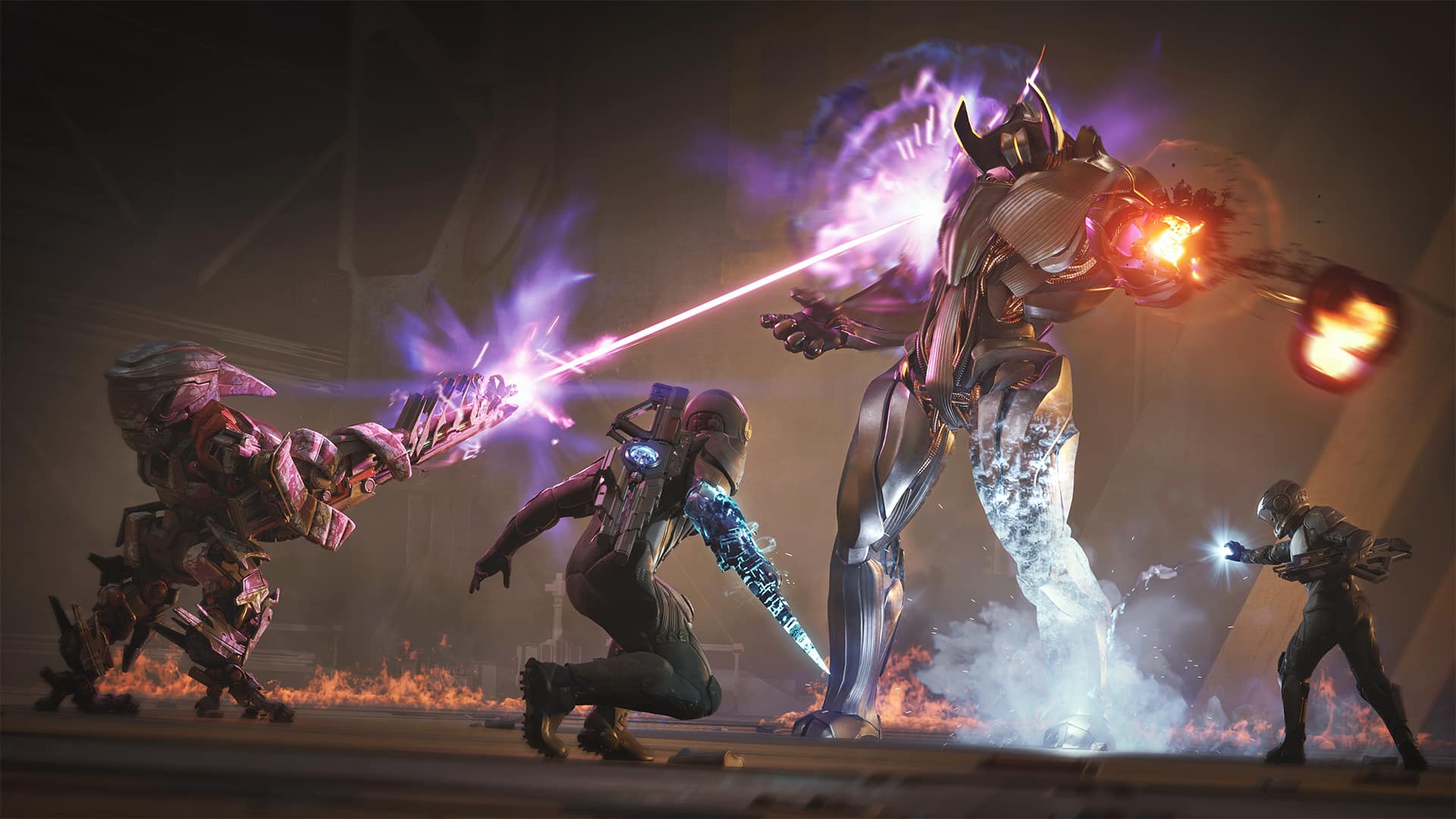
EXODUS draws inspiration from classic sci-fi RPGs like Mass Effect, which isn’t surprising given that Archetype Entertainment’s team includes several former BioWare developers. I have never played Mass Effect myself, though I watched plenty of people play it back in the day, so I went into EXODUS without any preconceived expectations, eager to see what Archetype Entertainment was bringing to the table.
MP1st was invited by Wizards of the Coast to get some hands-on time with EXODUS at Gamescom, giving me roughly an hour to step into the role of Jun Aslan, a salvager who becomes a Traveler and finds himself caught up in a much larger journey.
By the time my hour with EXODUS was over, I still had plenty of questions about Jun, his crew, and the events that led them to this point. I may not have understood the full story yet, but that only made me more curious about what happened before this mission and where Jun’s journey goes next.
Welcome, Travelers
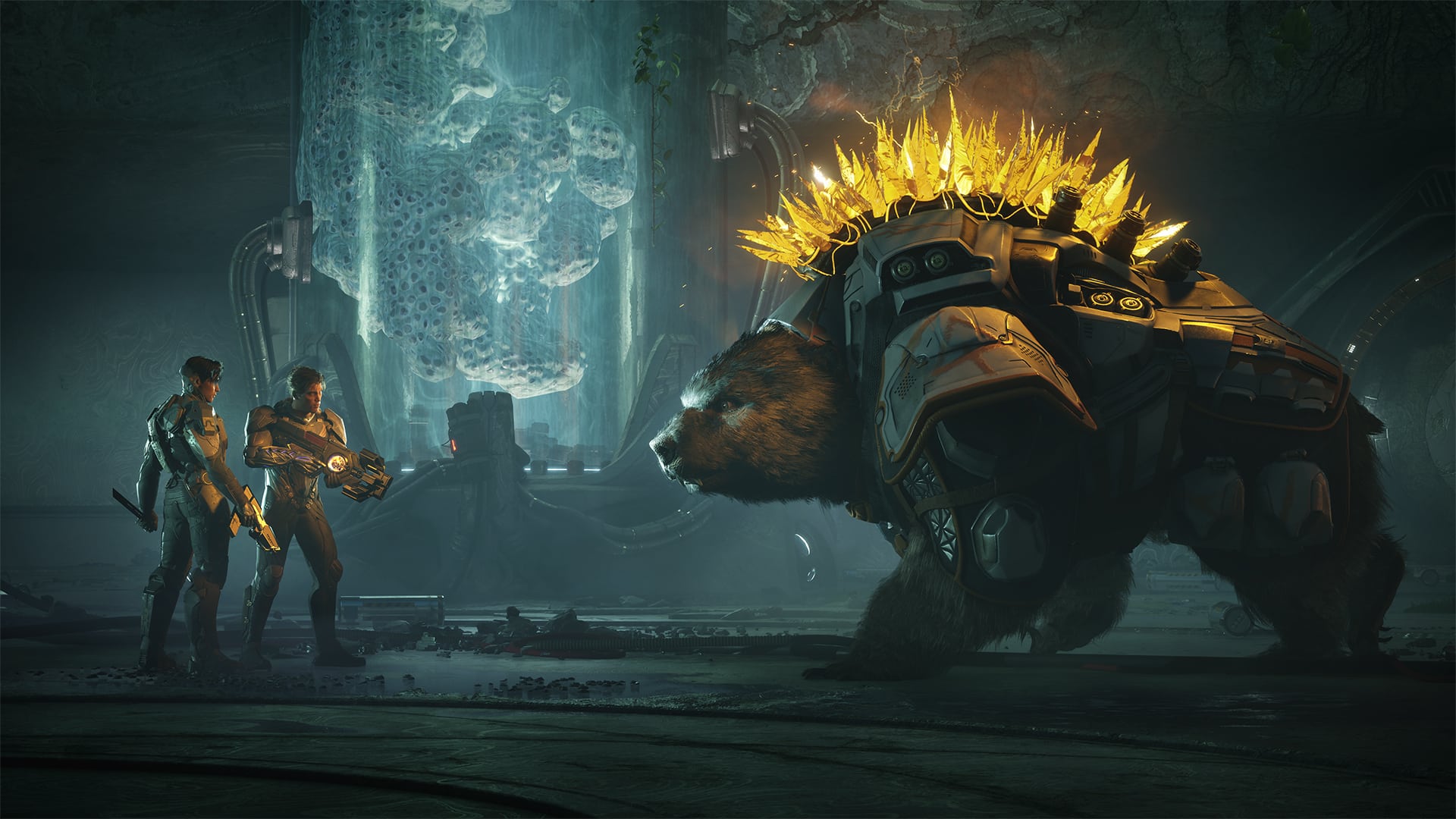
The demo dropped me into the middle of Jun’s journey with little context about his crew’s mission, the world’s history, or the relationships between its characters. EXODUS clearly has a substantial amount of lore to unpack, but it also introduces a memorable cast of characters along the way. The voice acting is particularly impressive, adding weight to the dialogue and helping bring these characters to life. Kay, one of Jun’s crewmates, immediately stood out to me, with a distinctive voice reminiscent of Benedict Cumberbatch.
Even without fully understanding why Jun and his companions were pursuing their objective, I found myself invested in their journey. The dialogue and character interactions never felt like they were there to move the story from one gameplay sequence to the next. EXODUS spends considerable time developing the characters in each event and scenario, giving their interactions purpose and making me curious about their relationships and history.
That became one of the most interesting aspects of the demo for me. I may not have had the full picture of what was happening, but the characters and their conversations gave me enough to want to learn more about what came before. By the end of the hour, I still had plenty of questions about Jun, his crew, and the larger story, but I was genuinely interested in finding the answers.
Into the fray
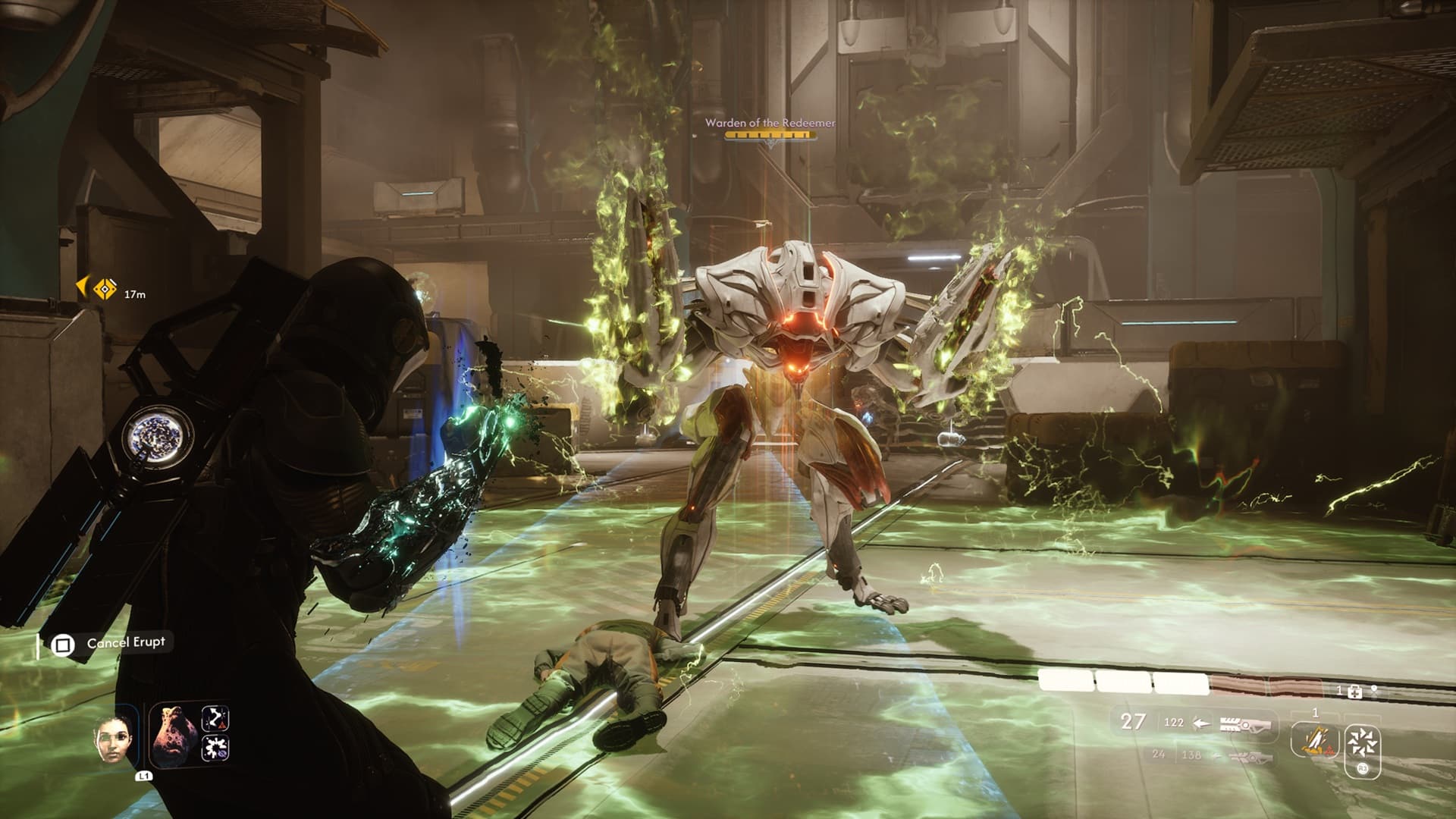
The game is a third-person action RPG, and its shooting feels considerably more involved than simply pointing a weapon at whatever happens to be in front of you. Jun’s primary weapon is the Recycler, which you can modify for different situations. Official gameplay footage shows configurations such as the Repeater for ranged encounters, the Shredder for close combat, and the Specter configuration for stealthy single-shot takedowns.
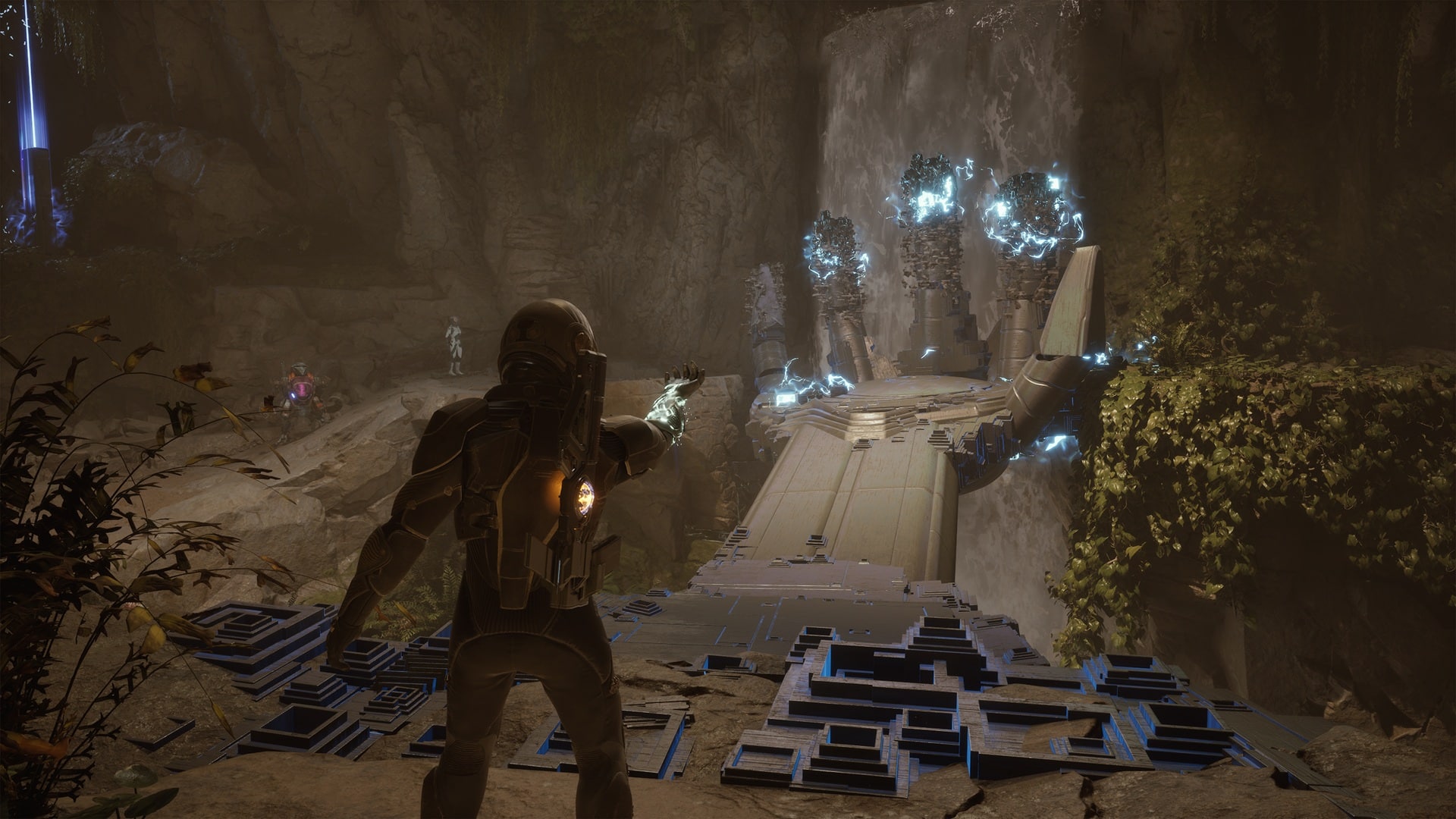
Enemies can pressure you from different angles, forcing you to think about positioning rather than simply unloading ammunition. The encounters also give Jun access to his Gauntlet, which allows him to use abilities built from alien technology. One example is the Lance, which launches livestone javelins at enemies for heavy damage.
Stealth is another option. Jun can use Precognition to scan an area and identify enemy positions, while traps such as tripwires can punish careless movement. You can scan and read enemy information and find out their weakness to better prepare yourself when dealing with them quickly.
The combat and movement feel smooth, particularly on PC. During my time with the demo, I didn’t encounter any noticeable input-response issues, whether I was playing with a keyboard and mouse or a controller. If there was any latency, it was minor enough that it never meaningfully affected the overall experience.
Companion abilities also add another layer to EXODUS’ combat. Each companion has their own unique ability that can be activated during encounters, providing additional firepower and utility alongside Jun’s weapons and abilities. These skills charge over time, so watching their availability and using them at the right moment can make a noticeable difference in tougher encounters, especially boss fights.
Deciding Fate
You will notice in your journey that every choice you make does matter and will affect your relationship with other characters, the events that unfold on different planets, and the ending of the game. The demo only showcases Elise (Paladin) and Kay’s (Immortal) relationship, and I didn’t get to explore more details about what this reputation means between factions or the characters themselves. From what I saw in the demo and trailers, it will largely affect how you shape Jun throughout your journey. You will possibly unlock more crewmates and meet other characters along the way, where choices heavily influence the path you want to take in the story.
The game’s larger narrative also has an interesting wrinkle: Time Dilation. Because EXODUS takes place thousands of years after humanity left Earth, interstellar travel has consequences beyond simply getting from one planet to another. The developers build this into the game’s choices, with decisions that can affect Jun’s crew, missions, and the people left behind. Think of the movie Interstellar.
What Comes Next?
EXODUS isn’t launching until April 7, 2027, so Archetype Entertainment still has plenty of time to show more of what the game has in store.
My hands-on session only scratched the surface of what EXODUS has to offer. For a game that gave me just an hour to explore its universe, that’s a pretty good place to leave me. Archetype Entertainment has built a sci-fi RPG with satisfying combat, an intriguing world, and characters that left me wanting to learn more about what comes next.
Stay connected to MP1st and the latest news by following us on Bluesky, X, Facebook, TikTok, YouTube, and Google News.
