Showa American Story Hands-On Preview – Land of the Rising Fun
What happens when Japan buys America? That’s the bizarre question at the heart of Showa American Story, and it’s one that players can experience in what is shaping up to be one of the most wonderfully ridiculous games I’ve played. Developed by NEKCOM, Showa American Story takes place in an alternate 1980s where Japan has purchased most of the United States, creating a world where Japanese culture, American culture, and the apocalypse collide in spectacular fashion.
We had the opportunity to get hands-on with the game and experience a demo that offered a closer look at its strange and surprisingly entertaining world.
Consider this your spoiler warning: this preview will discuss story details, characters, and gameplay elements that may reveal parts of the experience.
Highway to Post-Apocalyptic Hell
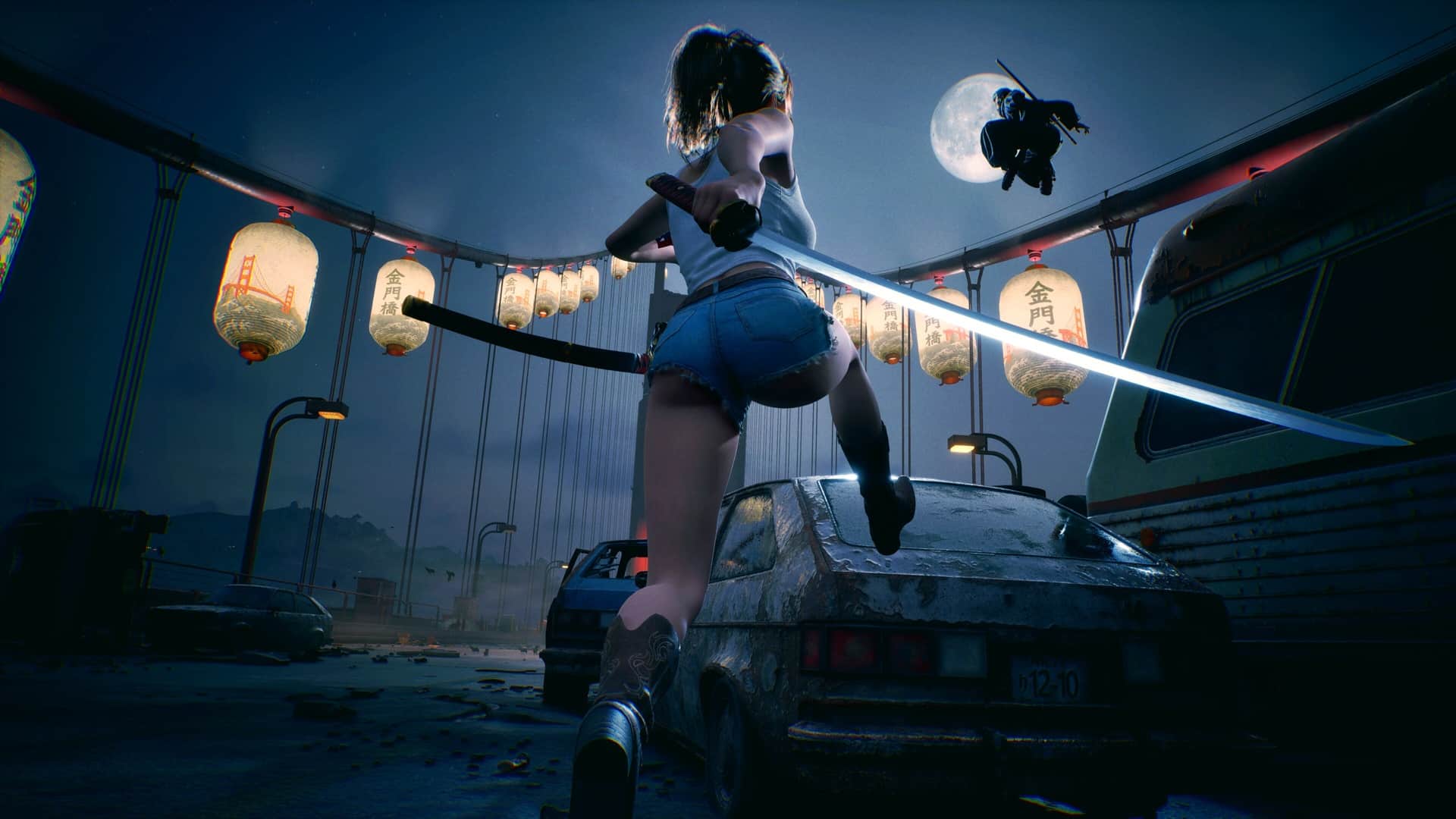
You play as Choko, the protagonist of Showa American Story, who is mysteriously brought back from the dead after being killed by an unknown group. She awakens in a post-apocalyptic wasteland devastated by an event known as the Cataclysm. With the world in ruins, Choko sets out across the remnants of America in search of her missing sister, encountering zombies, monsters, and human survivors along the way.
What makes the world particularly interesting is its unusual blend of Japanese and American culture. Set in an alternate version of the 1980s, Japan has amassed overwhelming economic power and used it to purchase a majority of the United States. The result is a bizarre version of America where Japanese influence shows up almost everywhere, creating a setting that feels both familiar and completely foreign.
For players who grew up in the 1980s and 1990s, plenty of nostalgic touches are scattered throughout the journey. Some of these references appear through mini-games, dialogue, environmental details, and various encounters with characters. You may recognize familiar locations with new names, while other references are subtler and may require some knowledge of the era to catch.
And then there are the moments that are simply there to make you laugh. Showa American Story often embraces its absurdity, creating situations that can feel like a trip back to pop culture and childhood memories. While the game leans much more heavily on Japanese cultural references than American ones, I still found many of the unfamiliar elements easy to understand through context.
More importantly, the nostalgia doesn’t feel limited to simply recognizing a reference. It feels like the developers are trying to capture small pieces of the past many of us may have forgotten, making Showa American Story feel like a strange, chaotic trip down memory lane.
Bring on the Pain
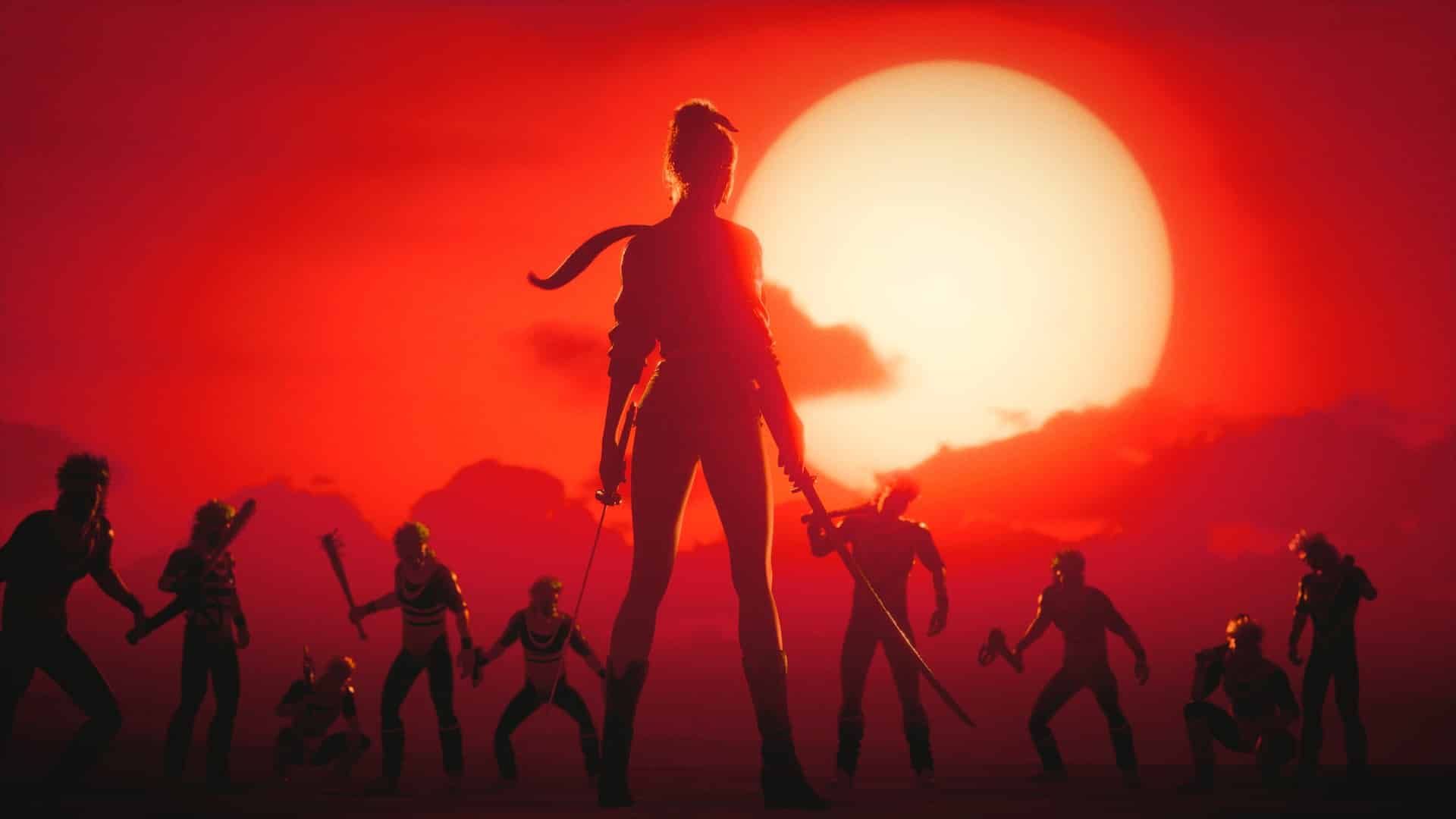
Combat in the Showa American Story is flashy, fast-paced, and relatively straightforward to pick up, while offering enough systems to keep encounters engaging. Choko has access to a wide variety of weapons, ranging from her fists and legs to melee weapons, firearms, and increasingly ridiculous tools capable of demolishing anything standing in her way.
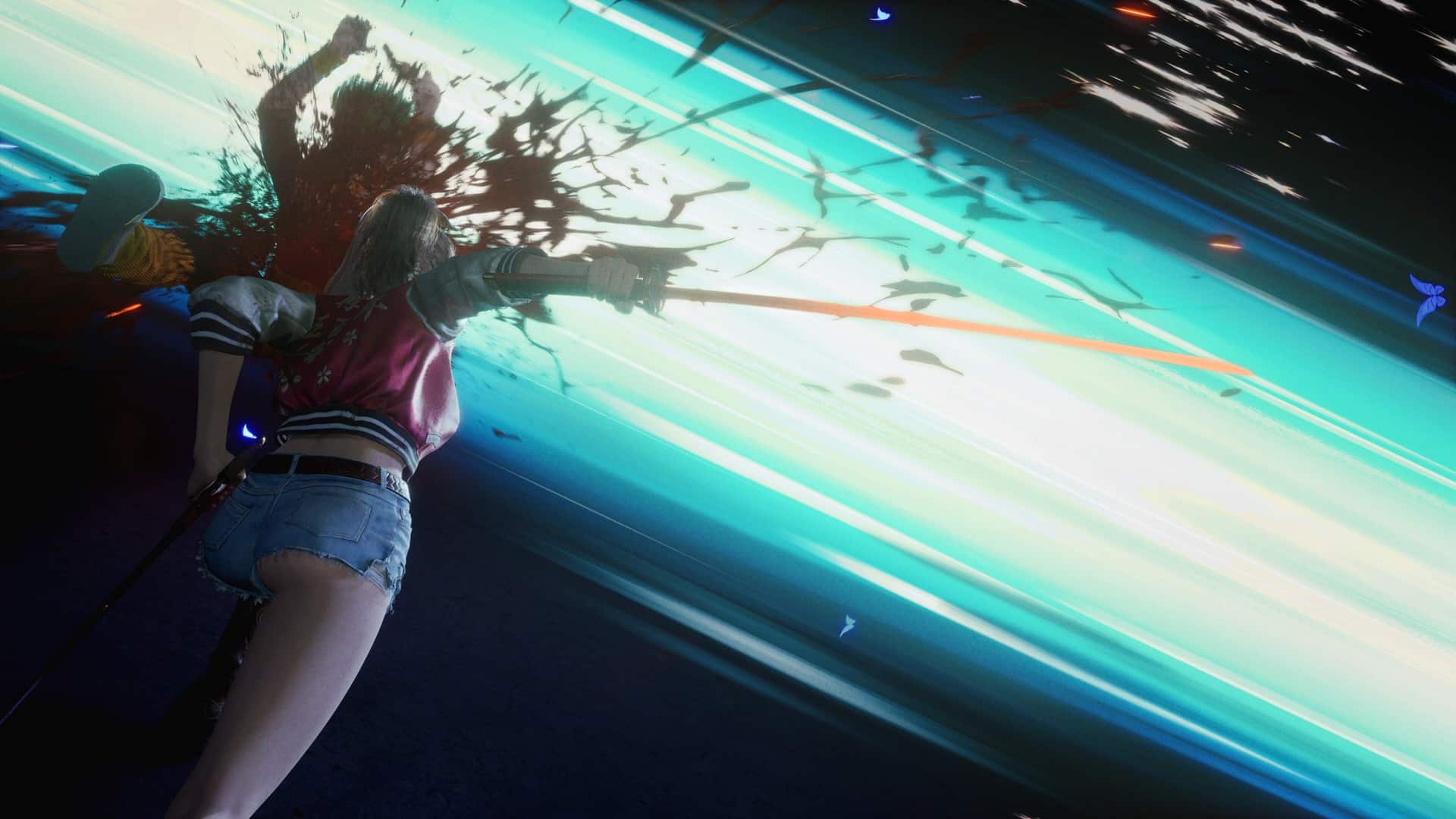
Early on, Choko relies heavily on hand-to-hand combat, delivering punches, kicks, and some particularly nasty attacks aimed at an enemy’s vulnerable areas. Stringing attacks together and performing stylish moves builds her Rage Gauge, which can then be spent on stronger attacks and special abilities. Choko can also unleash weapon-specific Ultimate attacks known as Ōgi, giving each weapon its own opportunities for devastating damage.
Rage is closely tied to the game’s Stamina system. Attacking and running consume Stamina, but running low doesn’t stop Choko from fighting or moving. Instead, the less Stamina she has, the more damage she takes. Using Rage Attacks restores Stamina, creating an aggressive combat loop that rewards players for staying on the offensive: build Rage, spend it on powerful attacks, recover Stamina, and keep the pressure on rather than retreating and waiting for resources to recover.
Enemies also have their own Break Meter, which fills as they take damage. Once an enemy enters a Break state, Choko can execute them in spectacular fashion. Combined with Perfect Dodges, weapon abilities, and Rage-powered attacks, these mechanics give combat a satisfying rhythm and plenty of opportunities to keep a combo going.
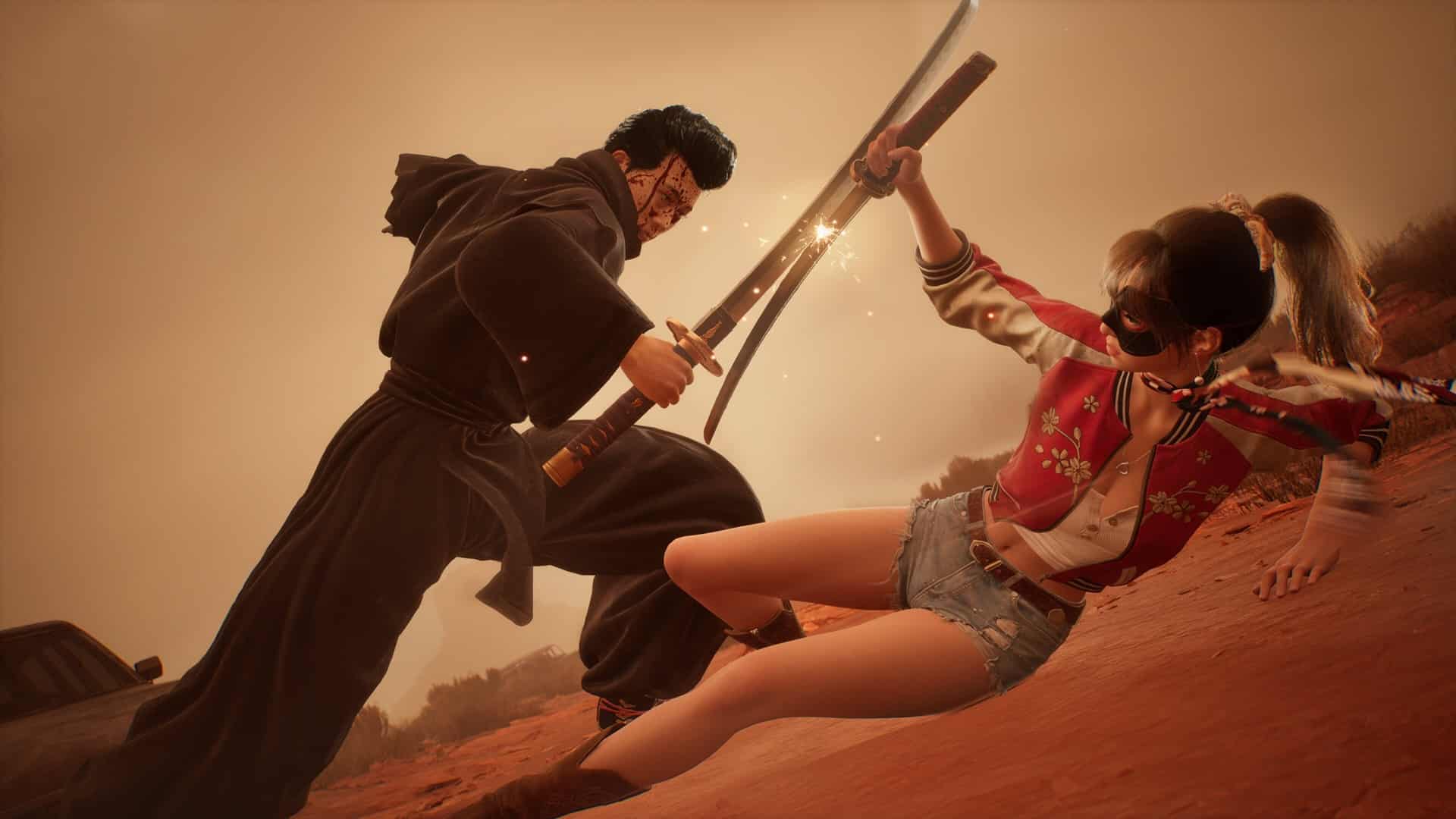
As you progress through the game, you’ll acquire and unlock additional weapons that can be equipped and incorporated into your preferred combat style. Choko can equip up to four weapons at once, allowing you to switch between them and experiment with different combinations depending on the situation.
Weapon switching becomes particularly useful when combined with the combo system. Normally, changing weapons takes a little time, but once you’ve built up enough of your meter, you can spend some of it to perform a weapon-swap combo attack. This lets Choko transition seamlessly into another weapon without interrupting her current combo, making it easier to maintain momentum and chain attacks.
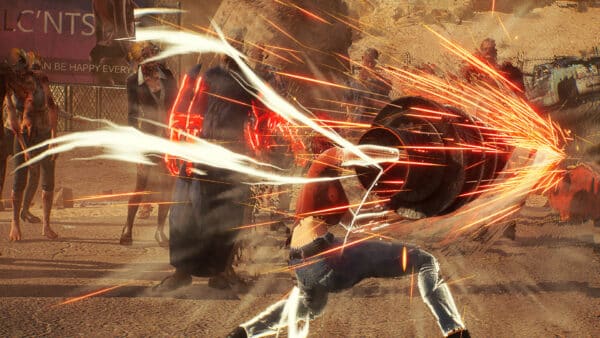
Of all the weapons I tried, the drill was easily my favorite, and yes, it will be the drill that creates heaven for all you Gurren Lagann fans out there. It can be somewhat difficult to control, but connecting with an enemy results in an absurd amount of damage, and the accompanying animation makes it incredibly satisfying to use. Other weapons lean even harder into the game’s ridiculous sense of humor, with certain attacks triggering unique animations and special scenes that make very little sense. Watching Choko unleash an outrageous weapon attack on a zombie is the kind of absurdity that makes the combat memorable.
For the most part, combat never felt clunky during my time with the game. Encounters can become hectic, particularly when fighting larger groups or using weapons with more directional attacks, where the camera and Choko’s positioning can occasionally make it harder to keep track of what’s happening. It wasn’t a major issue during the demo, but it becomes more noticeable when several enemies surround Choko at once.
Wait, There’s More
Rather than focusing solely on Choko’s ability to fight her way through hordes of enemies, the demo showcased the game’s RPG elements, exploration, character progression, and the strange world she finds herself traveling through.
The demo was divided into four sections, each highlighting a different aspect of the overall experience.
The first took place during Chapter Three, where Choko searches for clues surrounding her younger sister, Aya. This section offered a glimpse of the game’s narrative and how exploration and combat fit into the story.
From there, players could spend time aboard Choko’s RV, the Red Lotus. The RV is more than a means of transportation; it offers space for character progression, everyday activities, and customization. It gives Choko a place to step away from the chaos of the outside world while also adding another layer to the game’s progression systems.
The demo also opened up around Mount Neo Yokohama, giving players a chance to explore a larger area at their own pace. The shopping district offered opportunities to wander off the main path while continuing the story and getting a better sense of the game’s unusual post-apocalyptic take on America.
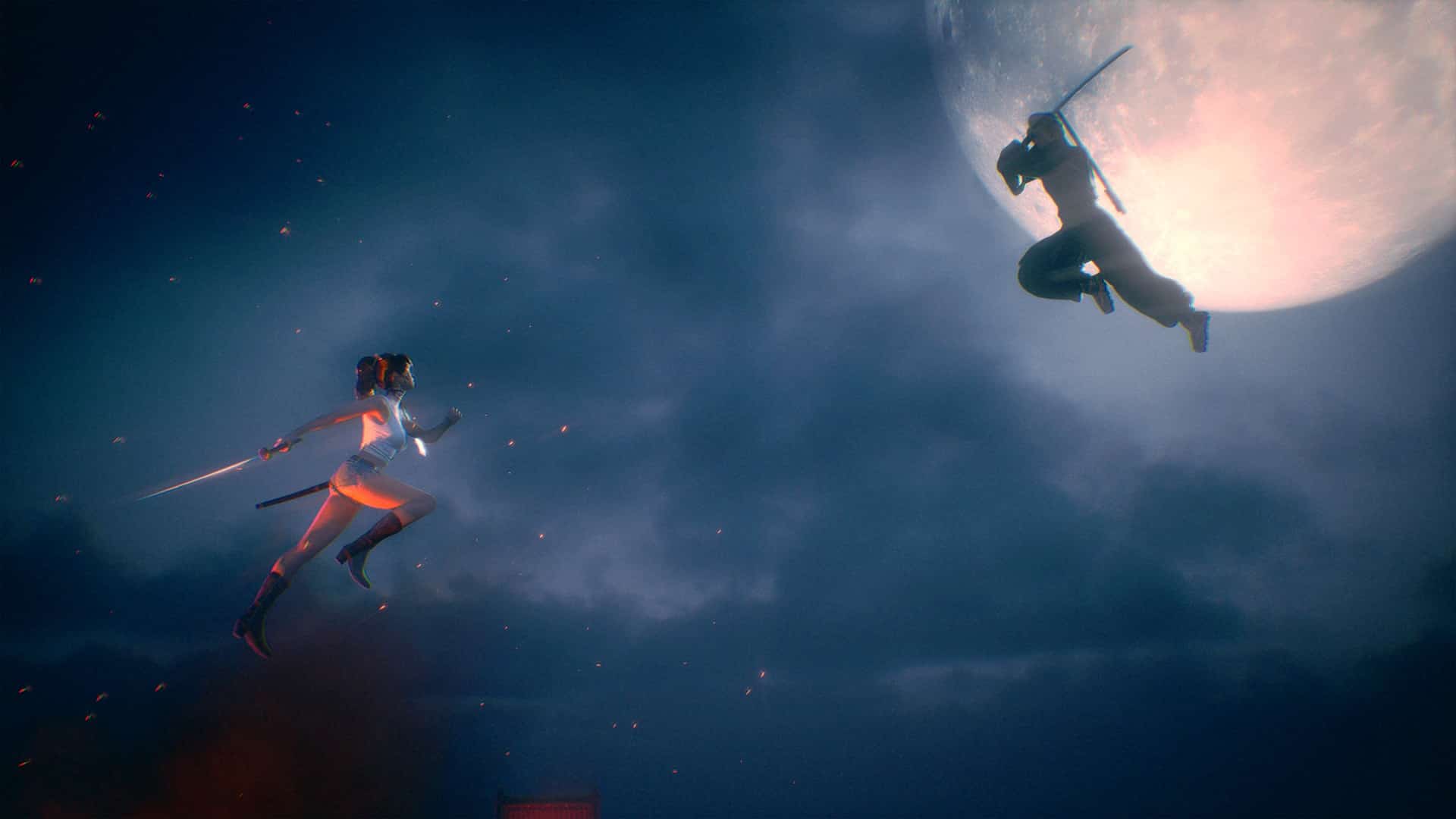
The final section brought Choko to the Golden Gate Bridge for a Chapter 4 boss encounter against the mysterious man in black, the same figure responsible for killing Choko in the game’s backstory. It provided a more focused look at the kind of encounters players can expect as the story progresses.
Full of Laughter
Showa American Story has plenty of funny moments, with a few occasionally cringeworthy ones scattered throughout. The humor rarely feels repetitive, and if you happen to recognize some of the references, it makes certain scenes even more enjoyable. However, the sheer amount of nostalgia can sometimes make it difficult to take particular moments seriously within the context of the story.
That said, this is based solely on the demo, so it’s difficult to say how the tone will develop throughout the full game. Beneath the humor and absurdity, there appear to be hints that Showa American Story could deliver more serious, even emotional, moments as Choko’s story unfolds. Whether those moments can balance the game’s comedic side remains to be seen.
Xiangyu Luo (Creative Director and NEKCOM founder) mentioned that he wanted to share the memories he grew up with and bring those experiences to life through the game. More than anything, he hopes to connect players through the joy, excitement, and nostalgia that shaped his own childhood as they experience Showa American Story.
Showa American Story has no release date, though it’s currently still targeting 2026 and will be released on PS5 and PC (Steam).

This website contains affiliate links. If you click a link and make a purchase, we may earn a commission at no additional cost to you. This helps support our work. Learn more on our affiliate page.