

My Hero Academia: All’s Justice Review – The Final War
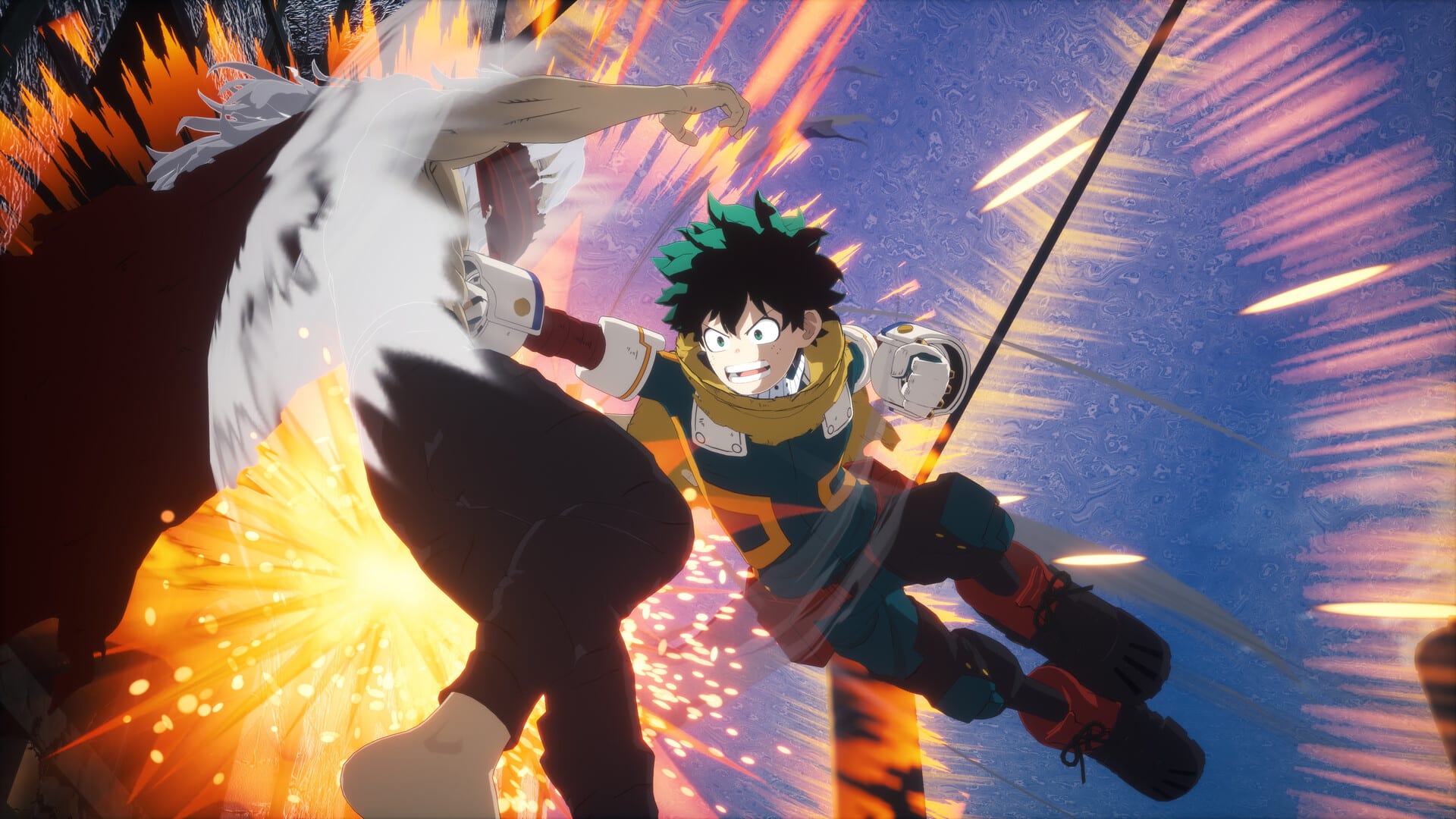
My Hero Academia debuted in manga form back in 2014 before being turned into a very popular anime starting in 2016. Both continued to run over the last decade until the conclusion for both came over the last couple of years. In that time, the series has spawned a few different video games, including the One’s Justice series, which is also now reaching its climax with My Hero Academia: All’s Justice.
Calling All Students
My Hero Academia: All’s Justice features a 3v3 battle system where you can choose from 65+ characters right from the start. This is a very impressive lineup with pretty much all of your favorites available. Once you select your starting character, you will pick two that can be used in battle as assists when using certain attacks or to swap in and take full control of the battle.
One of the first things you will notice in the game is the very true-to-anime visuals that look stellar in action here. The last entry in the series was a last-generation game, so getting to see the visuals and performance, for that matter, leveled up to current-gen is a real treat. Each character moves just like they should, and their moves look like they were ripped straight from the anime itself, too.
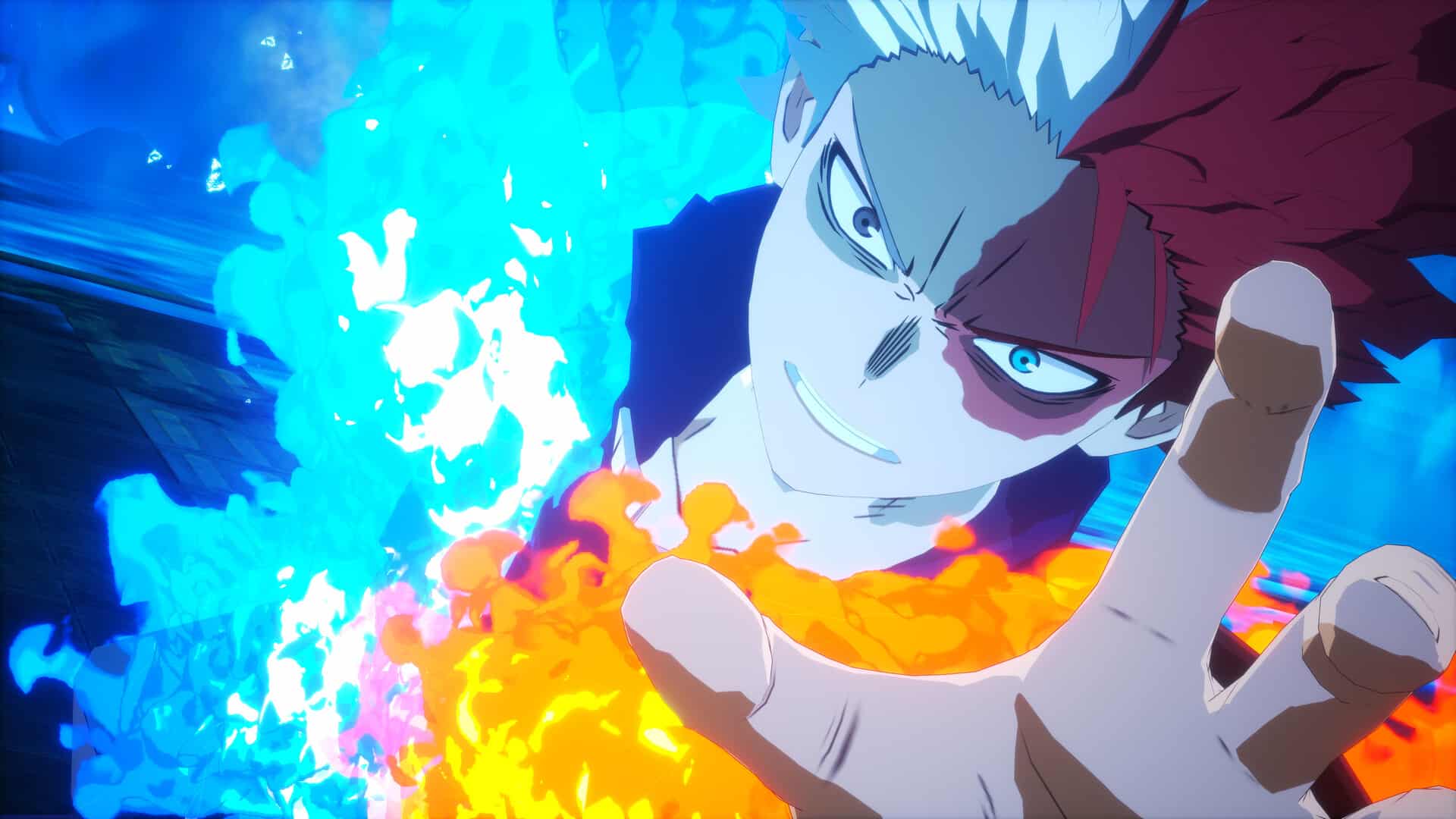
The game has a unique control scheme, where you can choose between two options, Normal or Manual. The Normal option actually makes things much easier for the player, as it lets you essentially button mash the different attack buttons and pull off special character moves known as Quirks, Plus Ultra moves, and even character swaps. In fact, it will show on the screen below your character meter what moves it is pulling off at any given time. This is definitely the best option for casual players that just want to have a good time. You can still manually input certain attacks too, but it does help a lot to have the controls be handled automatically in some fashion.
My Hero Academia: All’s Justice’s Manual control scheme option is as it sounds, where all moves have to be manually input instead of them being executed just by pressing attack buttons only. Normal controls can also be a good way to first start the game and learn the ropes before moving to Manual. Regardless of which one you select, I really liked that they included both versions to make the game as accessible and fun as possible.
As you deal and receive damage, you will find the Rising Gauge at the bottom of the screen gradually fill up. Once this gauge is full, you can activate your Rising, which enhances your character to make them much more powerful in battle for a limited period of time. The downside here is that you cannot swap out characters here, so be careful to choose which character you would prefer to activate Rising on with the shared Rising Gauge. You can also activate Ultimate Rising if you are down to your last character and activate Rising for an even greater boost.
Central Smartphone System
This might be a nitpick about the game, but one thing I really did not like was the fact that the Restart option is the first option as soon as you pause the game in battle. Usually pressing X on PS5 would just go back to the game or at least if it was on Restart, it would bring up a secondary question to make sure you want to restart. This got annoying if I ever paused and out of habit for most games pressed X to go back and accidentally restarted a fight I may have been pretty far into.
After thrusting you immediately into a battle to start the game, which is pretty jarring for newcomers, you will be placed into a town plaza where you can run around. Having the town plaza here is a nice touch to make you feel like you are more in the world of My Hero Academia, but really it is pretty useless, especially considering a game mode we will discuss later. While you can run around to the individual area’s to access the different game modes in the game, you can instead just do it all in one place via the pause menu.
Deku’s smartphone is the key to pretty much everything in My Hero Academia: All’s Justice, as you can select all of the various modes within the game simply by pressing the Options button on the PS5 DualSense or the respective button on other controllers and bringing up the phone. From there, you have 10 options to choose from, with the game first introducing you to the Tutorial mode. Unlike a lot of games, the game actually requires you to play through some of the tutorial to advance while speaking to All Might in the town plaza.
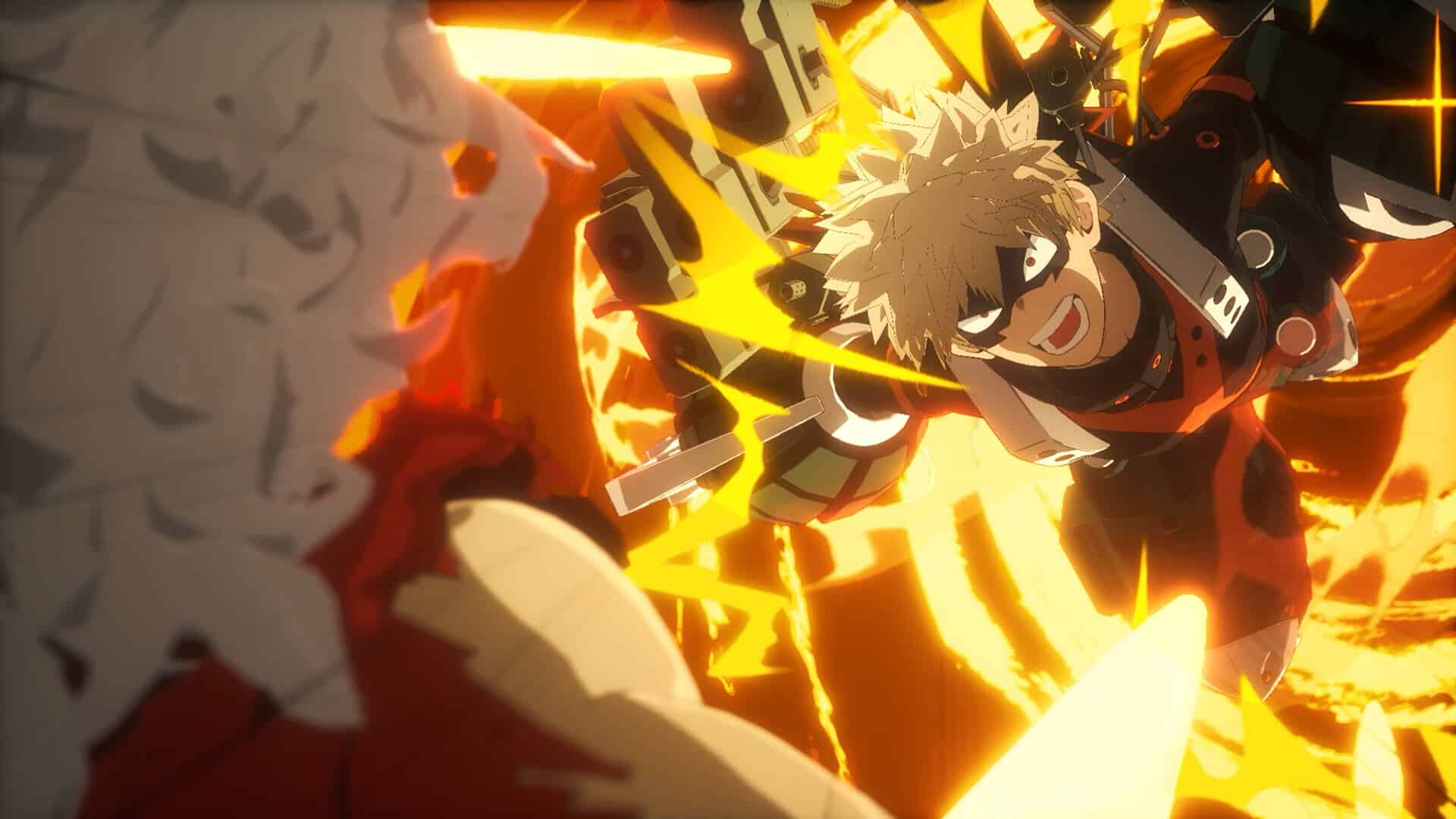
For those ready to jump right into the series’ final climax, you can play the game’s Story Mode. What is unique here compared to the anime is that you get different perspectives on the final story arc, this time from not just Deku and the heroes, but also the villainous Shigaraki. The mode itself is a little confusing as the story is broken down into separate sub-chapters, but they are scattered across the timeline in a very disorganized way. Thankfully, it does have it where you can sort by character to know where to stick to their specific stories.
Within story mode, the icons at the top of the timeline are split across Deku, Bakugo, Uraraka, Shoto, Endeavor, All Might, and Shigaraki. However, just because you go to one of them doesn’t mean that is who you will be fighting with always. For instance, the first mission after going to Endeavor has you in control of Hawks, Yokoyami, and Jiro instead. This line also continues with using other characters as well, so be prepared for that. Depending on the story circumstances, you will have a team of up to three characters at a time, though sometimes you will only have one or two. Most of the time, the opposition only has one, though there are times where they have up to three as well.
Something similar to other fighting games like CyberConnect’s Naruto Ultimate Ninja Storm series, the characters definitely like to talk a lot here during the story battles, which help to add a lot more tension to the battles. I personally enjoyed this a lot, with some of the more emotional beats during the Endeavor vs. Dabi battles specifically standing out, but it may also be something that some players may find annoying as well.
Cutscenes or Cut-stills?
One disappointing aspect of the game’s story mode is that the cutscenes are split up between being actual animated scenes or just a series of still images that swap between one another with voice acting over them. For something as action-oriented as My Hero Academia, it would have been great to see these grand moments in the series fully animated in here to add to the excitement of playing, but instead it they chose this route for some reason throughout.
Overall, story mode will take you a couple of hours to play through, with it doing a good job or showcasing the series’ final story arc. While it would have been nice to have more cutscenes and perhaps a less confusing timeline board, the story mode does what it sets out to do and will be a lot of fun for fans of the series to play through. The only downside of what is included is that a good bit of the series’ story has been skipped over from the last game to this one, so hopefully we’ll see that covered fully at a later time in a future entry or DLC.
Instead of playing through the events of the series’ final arc, you can also take a trip to the past through My Hero Academia: All’s Justice’s Archives Battle mode. In this mode, you can relive some of the most iconic battles from the series’ past, with there being a bronze, silver, and gold medal you can win for each one. To get the bronze, you just have to beat the mission, while the other two require you to win in a certain amount of time. Another cool feature is that once you beat a mission, you can go to character select and pick other characters to use instead of the one from the original version. Archives Battle worked well as a way to play some older moments in the series as a nostalgic look back, though it also features only voice acting over still images to showcase the moments. The only weird thing about Archives Battle is that you cannot unlock further battles by playing this mode, but rather have to go and advance through another mode known as Team Up Mission to unlock further battles.
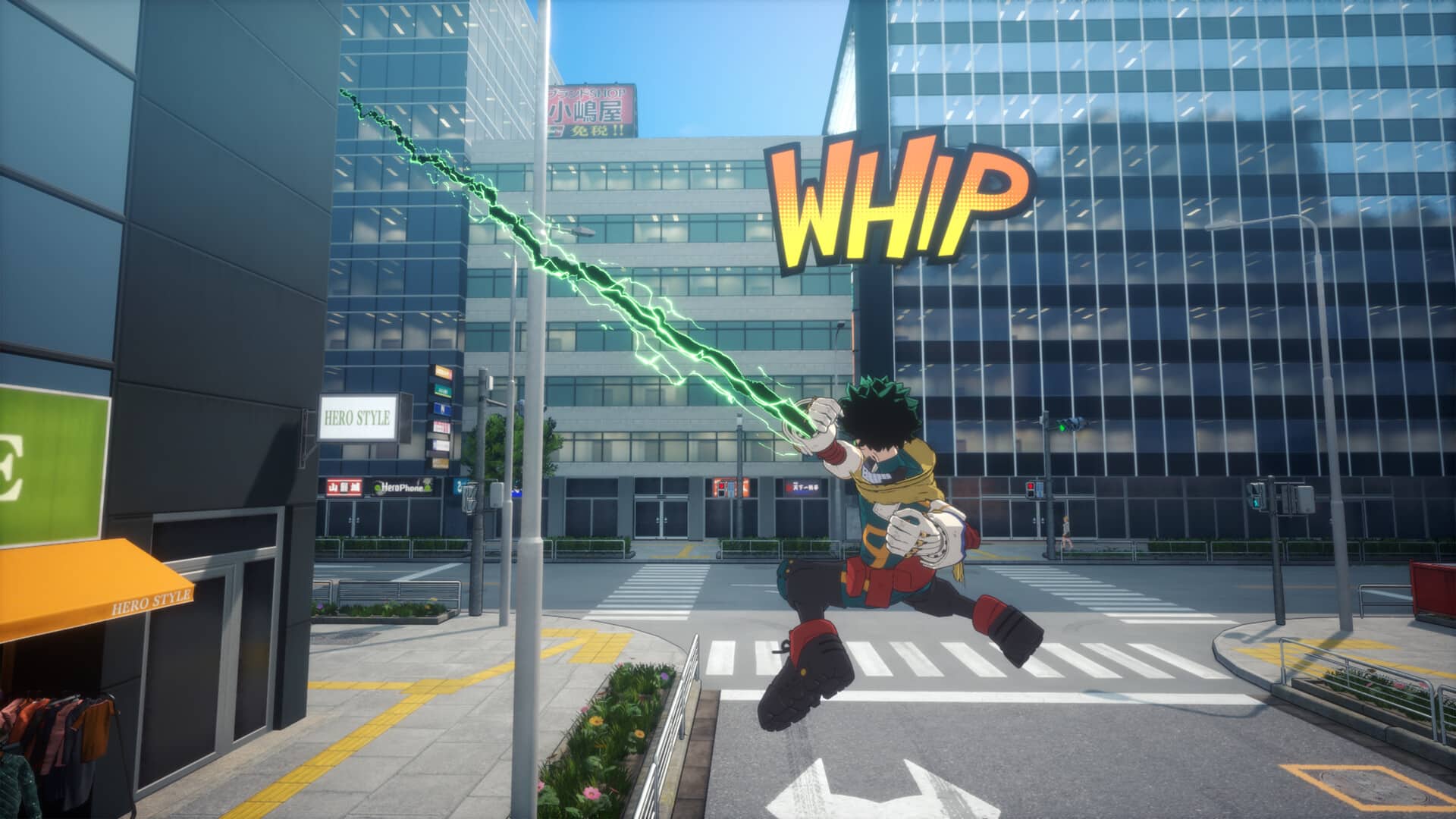
Team Up Mission mode takes you into a virtual setting where you can take part in numerous training missions from All Might as part of your life as a student. This essentially serves as the game’s equivalent of an adventure mode, which works well to set itself apart from the other modes. You will even have to use unique character Quirks to navigate across parts of the map too, which adds some puzzle solving to the equation a bit. Compared to story mode, this is where having an area to walk around makes a lot more sense as you are going to different characters as part of the missions. Completing what are known as Unique Missions within other missions will also give you assist characters that can help too.
The individual missions within Team Up Mission have multiple parts to them, with you being able to run through the main tasks or do some extras to up your score for the goal of an S rank. I found myself enjoying this mode quite a bit, as it gave us something new and exclusive for the game, even if it is still very bare bones. This is the type of mode that could really be built on in the future for its own game based in the universe if they wanted to do a completely original story.
The more Team Up Missions that you complete also opens up more within the Character Memory part of the game. In Character Memory, you sit down in a restaurant and then get to choose from a number of options on your smartphone. Hero’s Diary lets you play through original fights with new ones being unlocked the more you play in Team Up Missions. Member lets you call on someone that you’ve unlocked to walk around the city with you. Then you have the Gallery, BGM, and Card options that let you look at clips you’ve unlocked in the game, music you’ve listened to, and cards you’ve collected from around the city.
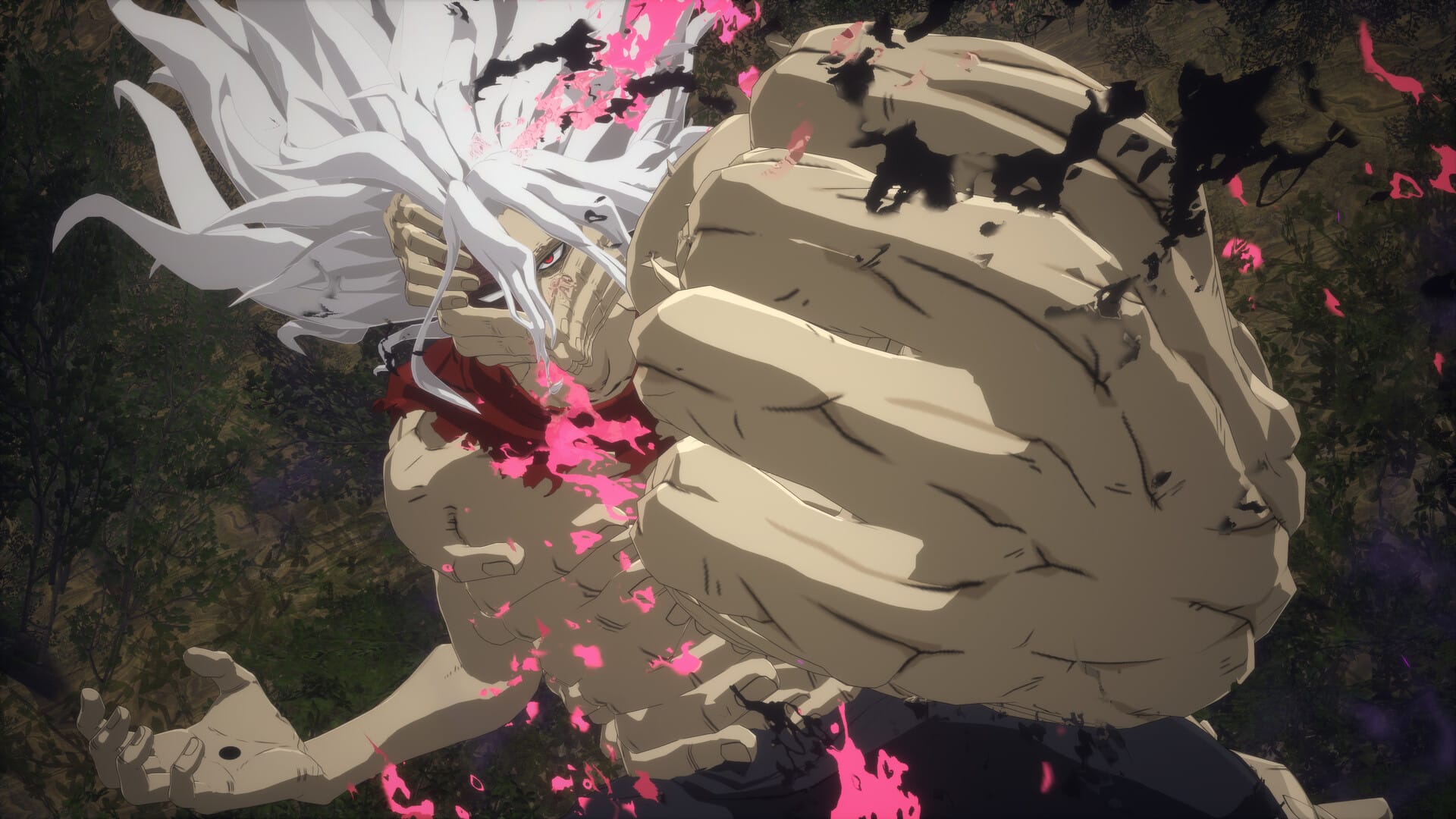
From there, the rest of the game modes are just strictly battle related, whether offline or online. In Free Battle, you can take part in battles that can be 1v1 local multiplayer or against the CPU. There aren’t every many settings to choose from here though, with the status of the Rising Gauge at the beginning of a battle being about the only thing. You can also take the battle online in Network, with there being a few options to choose from. Both unranked and ranked battle options are available, as well as room matches. There can also be ongoing events to choose from online, but none were available during the pre-release process.
My Hero Academia: All’s Justice has a number of collectibles for you to obtain in the game through the game’s Rewards system or by purchasing them in-game. These include ways to customize your profile and characters, including things like emotes and and emblems for the former and costumes, victory poses, and banners for the latter. You can also earn in-game currency to spend on some of these items too, so you can go as crazy as you’d like here or just ignore them entirely if you so choose.
Verdict
My Hero Academia fans have been waiting nearly six years for a new game and it has finally arrived with My Hero Academia: All’s Justice. While the battle system is quite fun to play, there is nothing here that breaks the mold too much. Even so, the abundance of game modes and large roster of quirky characters make the whole experience in My Hero Academia: All’s Justice an enjoyable one.
Pros
- Large roster that feels like the actual characters
- Gameplay very accessible with Normal control scheme option
- Plenty of game modes to choose from
- Team Up Mission mode is a standout
Cons
- Nothing groundbreaking in gameplay
- Majority of cutscenes are just still images with dialogue
- Weird placement of Restart in pause menu
My Hero Academia: All’s Justice was provided by the publisher. You can read MP1st’s review and scoring policy right here.
This website contains affiliate links. If you click a link and make a purchase, we may earn a commission at no additional cost to you. This helps support our work. Learn more on our affiliate page.


I heard there are a lot of ‘unfair’ or extreme AI balancing issues. Like fights requiring you to beat a character 5 times in a row with a single health bar and if you lose you have to restart. I’m hearing there’s battles in this game that make un-nerfed Great Ape Vegeta seem like a joke because the AI just auto-counters all your moves.
There are definitely some tough battles in there deeper into the game, especially with the counters and lack of health for multiple battles. Some of these had me having to change up by battle strategies and relying more on Quirks from a little longer range to build up the gauges to get Rising or be able to pull off Plus Ultra moves rather than being so combo heavy and getting counters relentlessly. I might also be so used to unfair fights in games like this in the late game that they don’t bother me quite as much anymore.