Ninja Gaiden: Ragebound Review – Worthy of the Blade

When people think of the Ninja Gaiden series, they look back at the Ninja Gaiden games developed by Team Ninja; spectacular 3D hack-and-slash games that propelled the franchise to new heights, seeing it span across three mainline entries, countless re-releases, and later this year, a long-awaited fourth installment. However, like many of today’s biggest franchises, Ninja Gaiden’s roots can often be traced back to the early era of gaming, where its journey began as a classic side-scrolling action series, first introduced in arcades and on the Nintendo Entertainment System.
Although the series has since evolved into what it is now, one constant has remained: the highly packed, high-octane action, served with a rather challenging difficulty that has tested players for decades. Still, it’s hard to imagine Ninja Gaiden nowadays as anything other than a fast-paced, brutally difficult 3D action experience. Yet that’s precisely what the developers behind the Blasphemous franchise, The Game Kitchen, aimed to capture when they created a modern 2D take on the classic Ninja Gaiden formula with Ninja Gaiden: Ragebound.
Backed by the publishing power of Dotemu, who have been on a mission to revive classic IPs such as Street of Rage and Teenage Mutant Ninja Turtles, The Game Kitchen’s Ninja Gaiden: Ragebound promises to deliver a nostalgic yet fresh experience, blending the pixel-perfect precision of its 2D predecessors with the intense combat and challenge that defines the modern era of the franchise.
And do they succeed? The answer is a resounding yes.
A Legacy Reborn
Editorial Note: Spoilers are kept light, only mentioning the lead-up to the actual story.
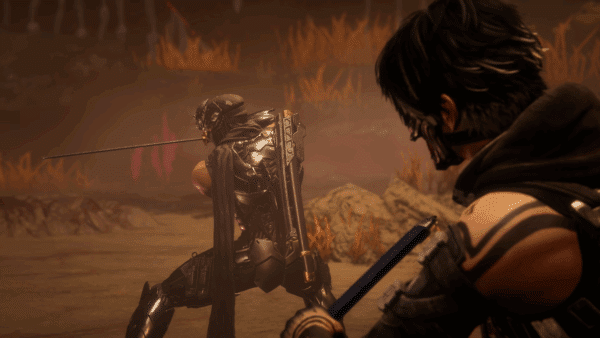
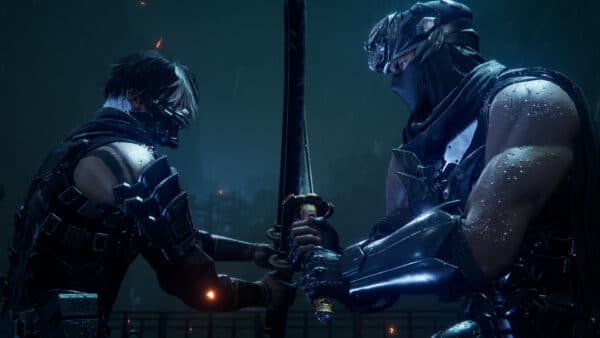
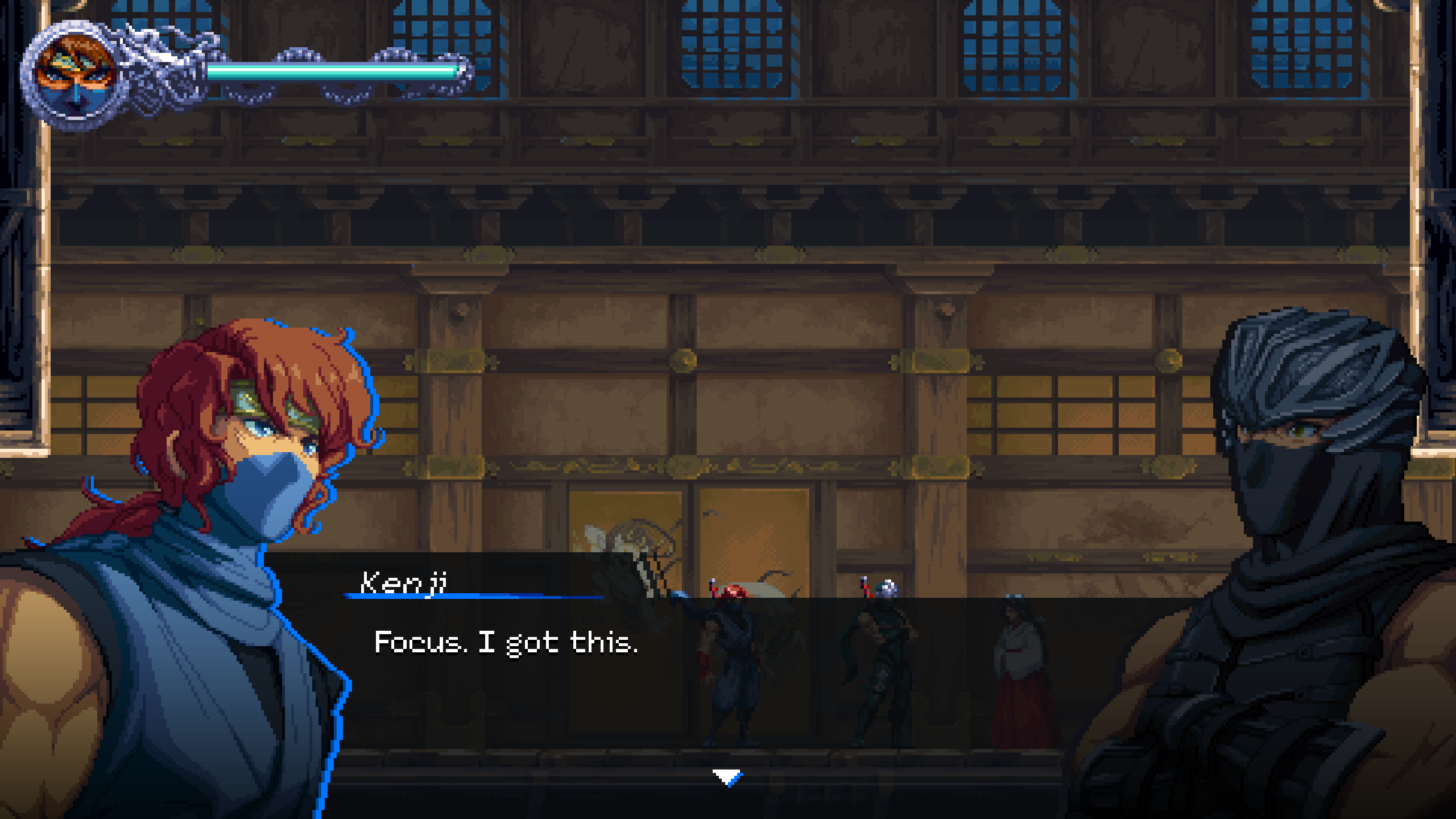
A tale begins where it all started: Hayabusa Village, the home of the Hayabusa Ninja Clan and the birthplace of long-time series protagonist Ryu Hayabusa. However, the tale of Ragebound is not of Ryu, but instead of a new character training under Ryu, who goes by the name of Kenji Mozu. As Ryu is called to America to get answers about his father (thus beginning the events of the original NES trilogy), Hayabusa Village finds itself under siege from a new demonic threat. Left as the village protector, Kenji must rise to the challenge, hone his nascent ninja skills, and confront the encroaching darkness to save his home and honor his master’s legacy.
But sometimes even the hero needs help, and for Kenji, that help comes from the most unexpected place. As the old saying goes, “the enemy of my enemy is my friend,” and fans of the franchise will be surprised to find aid from the long-time antagonist organization, the Black Spider Clan. Kumori, who’s also a new character, is a dangerous assassin sent on a mission to aid the demonic forces. Though fate would intervene, leading her to question her allegiances and ultimately, against all odds, side with Kenji to combat the greater evil.
I think Ninja Gaiden fans are going to be pleased by what The Game Kitchen has cooked up (hehe) here with Ragebound, as, while short, it did leave a pretty lasting impression. So much so that I cannot wait to see where the story ends up, should there be any follow-ups, as I have grown fond of both Kenji and Kumori, as well as their dynamic relationship that developed throughout the campaign. It’s a fun story that adds just the right amount of new for the franchise, without overstepping.
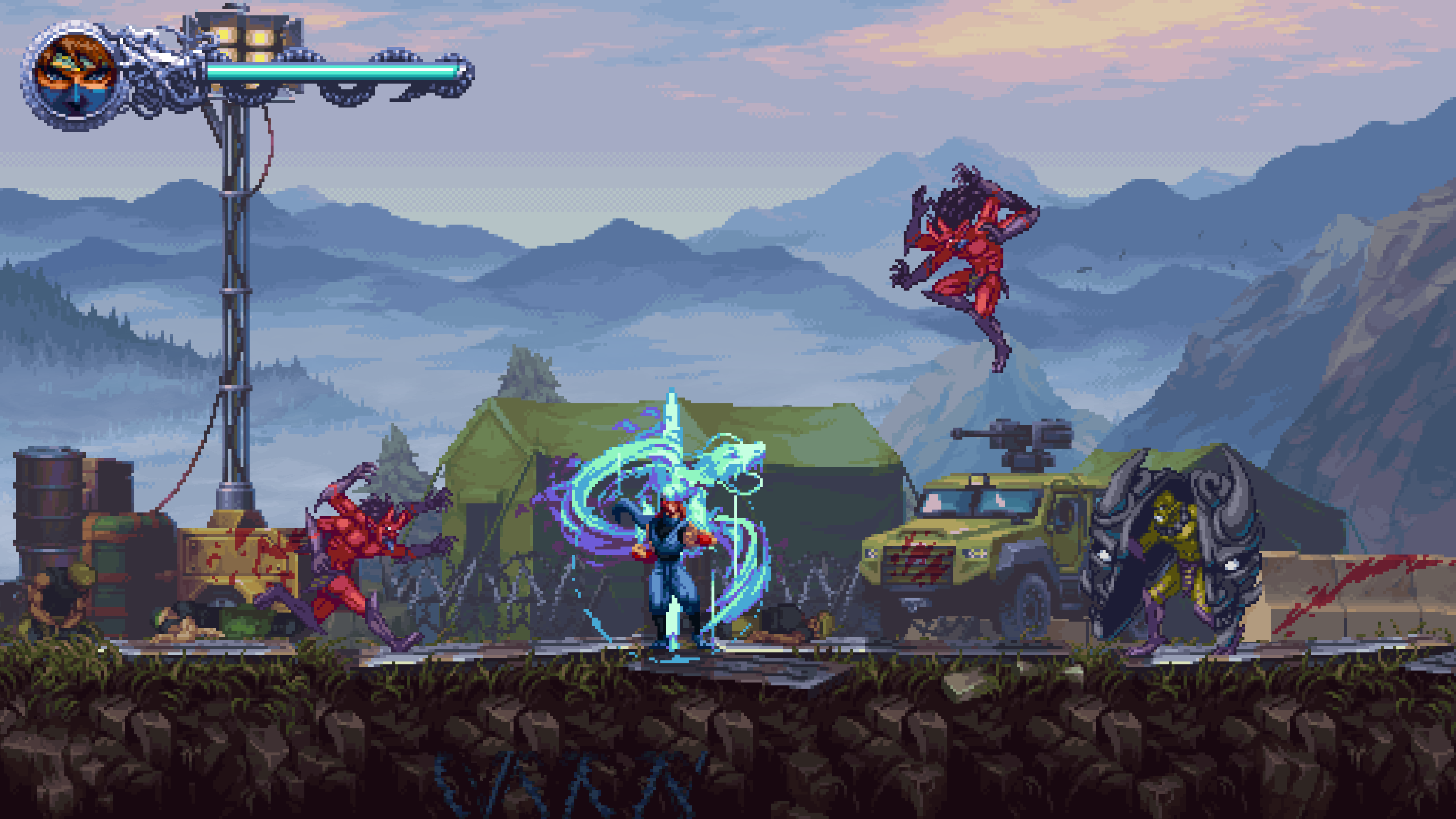
The campaign took me roughly six hours, but this was without completing any of the side missions or secret content, not to mention hard mode, which is surprisingly more involved than just buffing enemies. Stages undergo several changes, with even boss fights being altered. Again, no spoilers, but one such example I had was finding a way to “cheese” a boss. Quotations are used because that was probably intended as the hard mode version of said boss, which added more environmental hazards and removed the spawning of other enemies, thereby preventing the use of free hyperattacks. But there’s quite a lot in terms of replayability, which ended up extending my playtime to well over 10 hours.
The music was another big highlight for me, which brought everything together in a very exciting way. Led by Blasphemous composer Sergio de Prado, Ninja Gaiden: Ragebound sees the return of the composers behind the original NES trilogy, Keiji Yamagishi, Ryuichi Niita, and Kaori Nakabai. Together, this dream team has crafted a score that perfectly captures the essence of the classic Ninja Gaiden sound while injecting it with a fresh, modern energy. It’s a vibrant tapestry of nostalgic chiptunes elevated by rich orchestrations and a pulse-pounding intensity that perfectly complements the on-screen action. Every track feels both familiar and excitingly new, ensuring the audio experience is just as captivating as the gameplay. This music ties everything together to make it feel like you’re playing a badass, unstoppable ninja with its powerful, contemporary punch. I’m a sucker for the bit music era that the NES and SNES brought, but even so, I really loved the music created for Ragebound.
The Thrill of the Blade
It wouldn’t be a Ninja Gaiden game if it didn’t involve stylistic combat that puts players’ skills to the test through intense challenges, and thankfully, Ragebound brings that. I wouldn’t say it’s as challenging as the original NES games, but that era of gaming in general has some of the most challenging games ever created. Nonetheless, Ragebound brings a challenge that will surely make fans happy, and if they seek something even harder, there’s an unlockable hard mode.
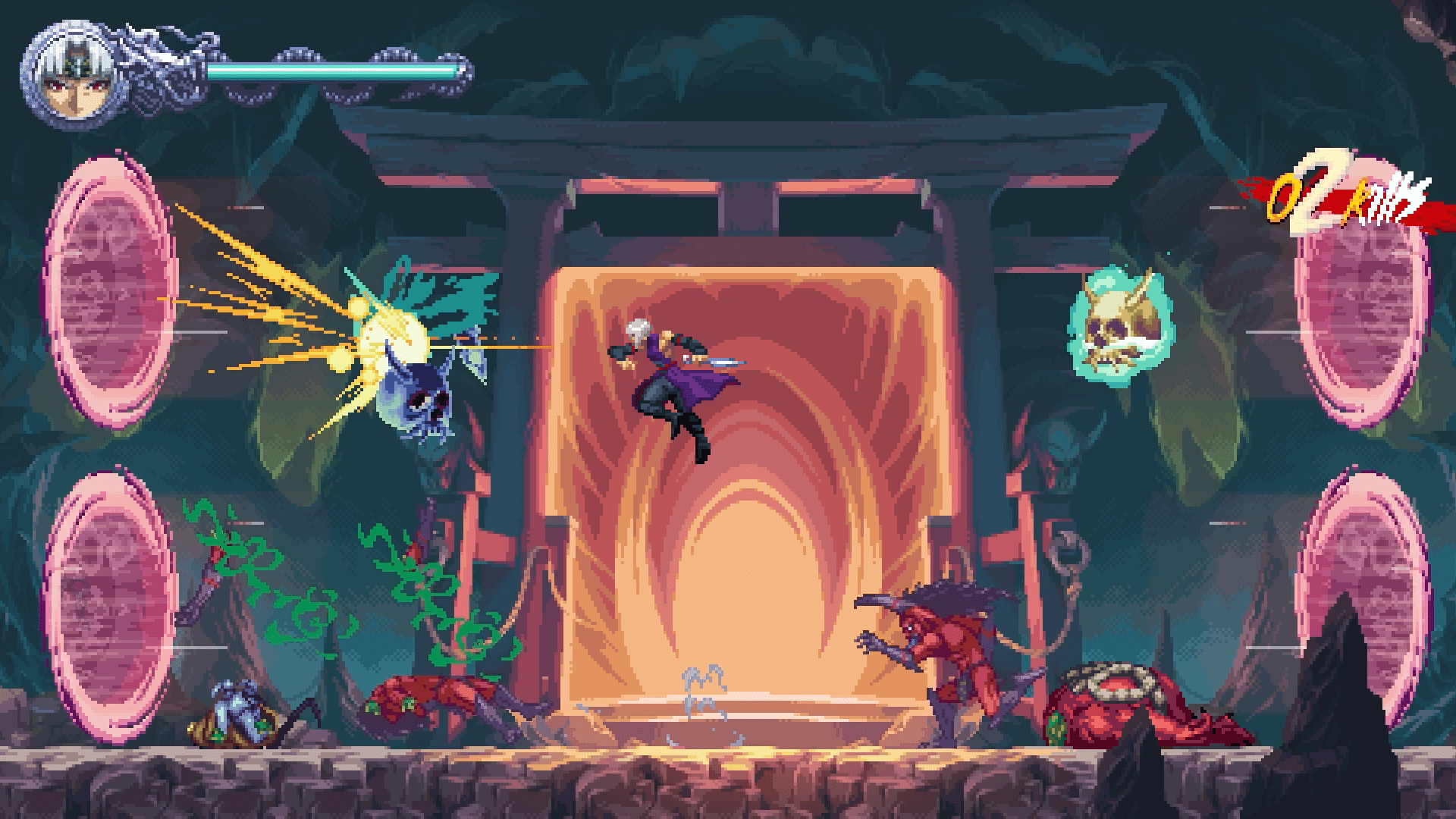
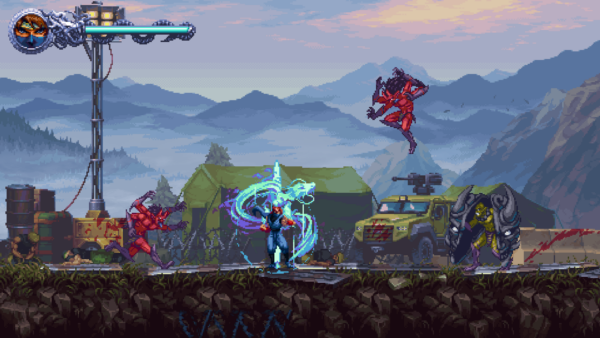
The controls are incredibly precise and responsive, making every parry, dodge, and attack feel impactful. Each encounter demands your full attention, forcing you to learn enemy patterns and master Kenji’s diverse moveset to emerge victorious. It’s a dance of death that rewards skill and patience, and that satisfaction of finally clearing a level or boss that only the most challenging games can deliver on, just feels great to do.
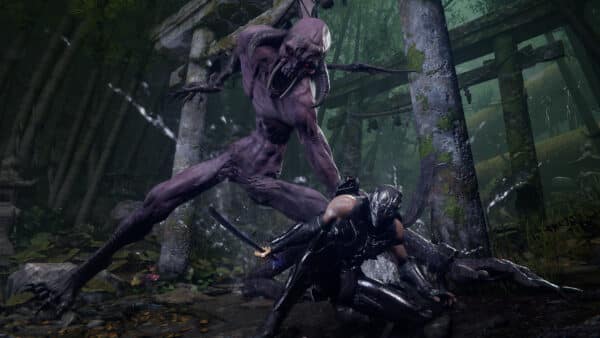
This relentless but fair difficulty, coupled with the fluidity of movement and the sheer variety of enemy types, makes for an incredibly fun experience. Whether you’re slicing through hordes of lesser demons or facing off against a massive boss, the action never lets up, constantly pushing you to adapt and improve. It’s this perfect blend of challenge and reward that makes Ragebound’s combat truly shine, keeping you hooked and eager for just one more attempt, no matter how many times you fall.
Both Kenji and Kumori have unique movesets that differ from one another, offering a good deal of variety when it comes to the combat. Especially when attacks from each character start to combine, and seamlessly, opening up to even great movesets and combos that can be performed.
Now, although I do not recommend it, Ninja Gaiden: Ragebound does offer a wide variety of accessibility options to allow you to “lower” the challenge. I’m not one to think games should be gatekept, and no one is forcing anyone to use these, but they are there for those who just want to enjoy this fantastic game without worrying about overcoming its challenging encounters. Options are always good, and at the end of the day, they are just that, options.
Year of the Ninja

It’s a really good time to be a Ninja Gaiden fan, and although all eyes are on Ninja Gaiden 4, I think Ninja Gaiden: Ragebound is a game that people shouldn’t sleep on. To me, it’s everything I love about Dotemu and its partners, who have all seemingly managed to recapture that magic we all grew up with in the early era of gaming. The Game Kitchen pays homage to the Ninja Gaiden legacy with Ragebound, creating a truly exceptional experience that feels both comfortingly familiar and exhilaratingly new.
I highly recommend this one to anyone, whether you’re a die-hard Ninja Gaiden fan or someone who’s looking to jump into the franchise for the first time. Ninja Gaiden: Ragebound is a masterclass in modern retro gaming, delivering all the brutal challenge, fluid combat, and story you could ask for.
Score: 9.5/10

Pros:
- Fantastic gameplay.
- Both new protagonists are excellent additions to the Ninja Gaiden universe.
- Exceptional soundtrack.
- There’s a good amount of replayability, with a challenging hard mode to go with it.
- You don’t have to use them, but it’s nice to see accessibility options for those who do need them.
- A solid story that left us wanting to see where it goes next.
Cons:
- Some of the platforming can feel a bit stiff, and at times, really touchy, to the point where it’s easy to make mistakes that feel more like the game’s fault rather than yours.
- The campaign is on the short end of hours, but that probably won’t matter to many since it’s fun.
Ninja Gaiden: Ragebound review code was provided by the publisher. You can read MP1st’s review and scoring policy right here.
This website contains affiliate links. If you click a link and make a purchase, we may earn a commission at no additional cost to you. This helps support our work. Learn more on our affiliate page.