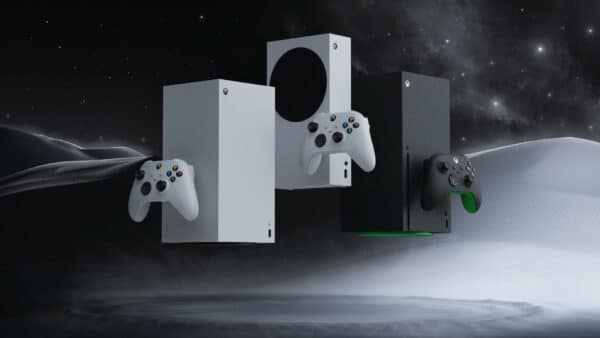
Phil Spencer Wants Xbox Hardware to Win Based on Capabilities, Embraces People to Be a Member of Xbox Regardless of Screen

[summaraize]
With Microsoft’s Xbox division now a bonafide third-party publisher on other platforms, some might be wondering why would gamers want to buy an Xbox console in the first place, if they can play the company’s games on competing platforms.
In an interview with GamerTag Radio, Xbox boss Phil Spencer was asked this question, which the executive didn’t hesitate to answer.

Xbox Boss Phil Spencer Wants Gamers to Pick Hardware Based on Its Capabilities and Not the Games

The Xbox division boss was asked: “Why would I still want an Xbox? What is going to be the reason for me to want Xbox hardware when I can get that experience on another platform?”
According to Spencer, “Yeah, I want people to pick hardware based on the capabilities of that hardware and how that fits into the choices they want to make about where they want to play. And we want our hardware to win based on the hardware capabilities that we have. I think the difference that we’ve seen in the last 20 years. And I think this is good because I come from building games. It’s really game first, not platform first, most of the games you and I will talk about run across so many different platforms.”
Spencer continues, stating that the games at the top of the charts are available on different platforms.
Per Spencer, “And those are the games that are having success. Those are the games that are at the top of the charts. When you look at the most played, most successful games, and I want to build a platform that services those creators, those creators that are trying to meet people on every screen. But let’s say like our own hardware. I think it’s fundamental to what Xbox is. It’s not lost on me. I’ve said over and over that box is in the name of our brand. I’ll say is in the position I’m in. I look at hardware as a critical part of what we do, but not trying to gatekeep the games off of other places for the benefit of it. Let’s go build innovative hardware that people want to use to play, whether that’s in their hands, whether it’s on their television or even other places.”
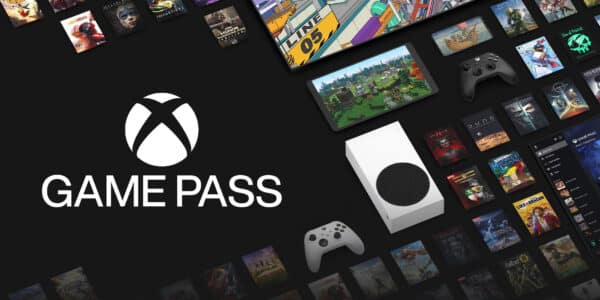
Continuing with this thought, Spencer adds, “And I love our hardware team and, uh, spent some time with them just this week and the roadmap that they have. And I think we’re learning a lot from this, like Steam Deck, and what does it mean for our games to be there? ROG Ally, what does it mean? Lenovo? Like, it, what does Xbox mean on those platforms? I don’t think we’ve tuned it perfectly yet and it spent a lot of time with the teams on that. But I want to make progress there, LG and the work we’re doing with cloud, um, you know, all of that helps us evolve our platform software. So we really embrace allowing someone to be a member of Xbox on whatever screen they want to play on.”
Expect More Xbox First-Party Games on PS5, Nintendo Switch 2
In the same chat, Spencer basically confirmed more games are headed to competing platforms like the PS5 and Nintendo Switch 2. When it comes to Xbox first-party games, Spencer notes, “We love our platform and our hardware but we’re not going to put walls up where people can engage with the great games our studios are building(…)our games will show up in more places, no doubt.”
If you’re an Xbox console owner, it might sting a little that every exclusive the platform has seems to be open season to be ported to competing platforms. But in terms of a business, which Xbox is, this makes perfect sense. Ther are literally millions of sales lost by not releasing on non-Xbox platforms, and you can bet Microsoft doesn’t care about fanboy fluff, and is instead focusing on the money they can earn from these first-party games releasing on other platforms.
When it comes to playing Xbox anywhere, Microsoft has bigger plans than just cloud streaming, as Spencer confirmed last year that an Xbox handheld is in development, though it’s “years away” from being released.

This website contains affiliate links. If you click a link and make a purchase, we may earn a commission at no additional cost to you. This helps support our work. Learn more on our affiliate page.