

PS6 Early Info on Cloud Streaming, Machine Learning, and New Horror Game Uncovered
Whether you want to believe it or not, the next generation of consoles is right around the corner. Just this past month, Xbox announced that it was working on Project Helix, its next-gen Xbox console. Although Sony has been quiet about what’s after the PS5, we do know they’re deep in development on its next-generation console, with recent rumors claiming they’re going with a hybrid handheld approach, similar to the Nintendo Switch. Whatever it is, most rumors seem to agree that 2027 will be the year we get to experience both consoles.
Still, with many questions swirling around and no answers in sight, one does have to wonder: what will they bring to the table? Well, we’ve been digging around and have discovered a few things relating to PlayStation’s next-gen console.

A Next-Gen Horror Game and Apps
I’m going to start this piece with some “that’s so obvious, anyone could have guessed it” things that we uncovered. The first being around what seems to be cross-gen development. At the moment, it looks like Sony has people working on developing assets (both 2D and 3D) for the current (PS5) and next-gen (PS6) consoles. These assets have been described as “AAA” quality. Not much else to add there, but it may suggest we’ll get cross-gen titles from Sony going into next-gen, similar to how we saw some PS5 games released on PS4.
Another obvious one is that Sony is looking to further build out its social apps on the platforms, which it describes as “Next Gen Social Apps.” Likely the terminology used every time they move gen, so nothing out of the ordinary there. Video streaming and multitasking, much like they were on PS4 and PS5, are also being built upon on the next-gen PlayStation console, and, to our understanding, it’s the same team of people leading it.
Again, pretty obvious stuff, so let’s take a look at some juicier things we discovered.
One of the big things we learned is that Sony is partnering with another studio to develop a next-generation game featuring “immersive third-person horror shooter” mechanics, built on Unreal Engine 5. We don’t know the specific partner or title, though I would like to point out that the wording doesn’t necessarily imply it’s a flat-out shooter set in some kind of horror setting; rather, it features shooting mechanics. Take that as you will. We also learned that it will be using motion performance capture and have a player progression system of sorts.

Coincidentally, Firesprite is rumored to be working on a survival-horror game internally called “Project Heartbreak.” Back in 2024, we reported findings that the IP was apparently based on an established IP, leading to speculation that it could be Until Dawn 2 or a new Siren game. Firesprite faced layoffs in 2024, leading to the cancellation of some games, including a new Twisted Metal. We’re unsure if Project Heartbreak is still alive, but we do know the mysterious next-gen horror shooter was still being worked on as of late (August-October) last year. Both titles are using Unreal Engine 5, so there’s a chance this is that title, though at the time of reporting, that title had PS5 and PC as its platforms, where this was said to be developed for next-gen.
Could it have been moved to next-gen? Or is this perhaps another IP?
Next-Gen Cloud Game Streaming Will Run on Gen5 SSDs
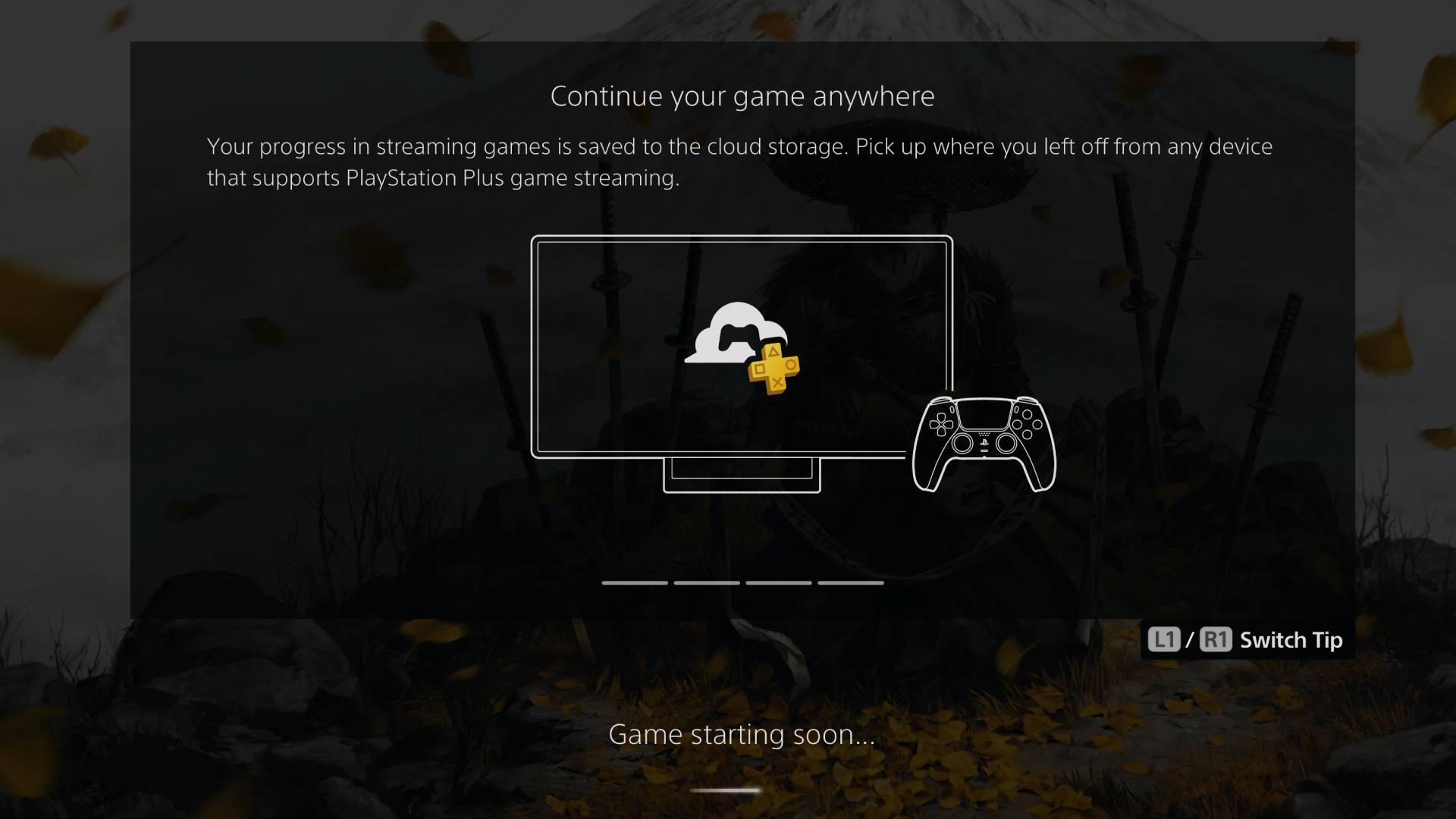
PlayStation has been ramping up its Cloud Game Streaming service for the past few console generations, and looking at the next generation of PlayStation, that’s likely not going to change, as we do know that SIE has no plans to move away from it. No surprise, given that support for PlayStation Cloud streaming has increased to include nearly every new major game release in the last couple of years.
But the push will go beyond more game support, as we’ll see some upgrades to PlayStation’s cloud game streaming service, based on the information we have uncovered. Work on the hardware infrastructure for the next-gen cloud game streaming servers has been underway for roughly 3-4 years. The info also confirmed that the hardware supporting the PS5’s cloud game streaming infrastructure currently uses a PCIe Gen4 NVMe as its storage server solution, with the next-gen cloud game streaming infrastructure using PCIe Gen5 NVMe. I think it’s fair to say that the PlayStation 6 (or whatever it’s called) will also use PCIe Gen5 NVMe.
This lines up with recent leaks from known AMD leaker Kepler_L2, who previously said the console was likely going to have a 1TB Gen5 SSD. That was, of course, referring to the hardware in the actual console, whereas this relates to the storage solution for the cloud streaming service.
For comparison, here is what the max speeds of each PCIe Gen can reach:
- PCIe Gen4 NVMe: 7,500 MB/s sequential reads and 7,000 MB/s sequential writes.
- PCIe Gen5 NVMe: 14,900 MB/s sequential reads and 14,000 MB/s sequential writes.
At double the speed, it’s hard to imagine what next-gen consoles may be able to achieve, given that many games today already have instant loading between boots and save loads. It does mean faster asset streaming on local devices, but just how that will translate into what we experience remains to be seen. Hopefully, the elimination of pop-ins.
Advancing Machine Learning
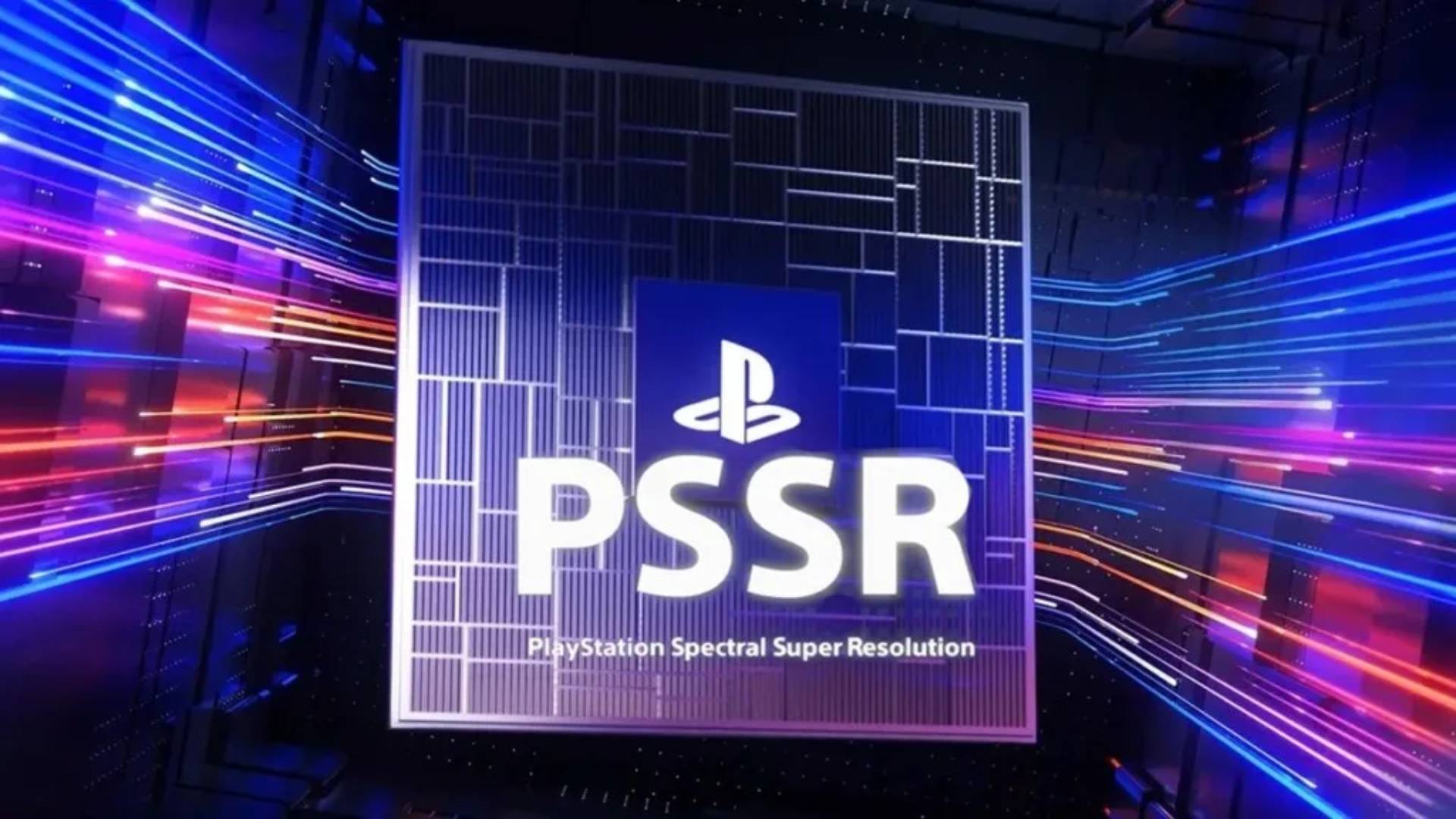
It’s been a little over a year and a half since the release of the PS5 Pro. While the verdict on whether the console is worth the asking price, which has gone up $200 since its launch, remains a hotly debated subject, there’s no denying that PlayStation has delivered on an impressive AI-based upscaler in the form of PSSR (PlayStation Spectral Super Resolution). In February of this year, we saw it receive a massive upgrade, boosting image clarity and performance for games across the board.
With both Nvidia and AMD having their own AI-based upscalers, Sony joining with PSSR, and likely Xbox with Project Helix, it’s probably safe to assume that the future of gaming will revolve around AI. Case in point, all one has to do is hop over to LinkedIn and search for how many AI and machine learning experts have been hired, and how many they’re still looking to hire at Sony Interactive Entertainment. Whether you love AI or not, it seems like it’s here to stay as companies continue to pour resources into it, trying to incorporate it into every facet of their business.
PlayStation will be no different, and they’ll use AI across all kinds of workflows.
But sticking to the subject of PSSR, it looks like Sony will continue to push it to help them “elevate real-time” visuals, as spotted on the LinkedIn profile of a Senior Research Scientist at PlayStation.
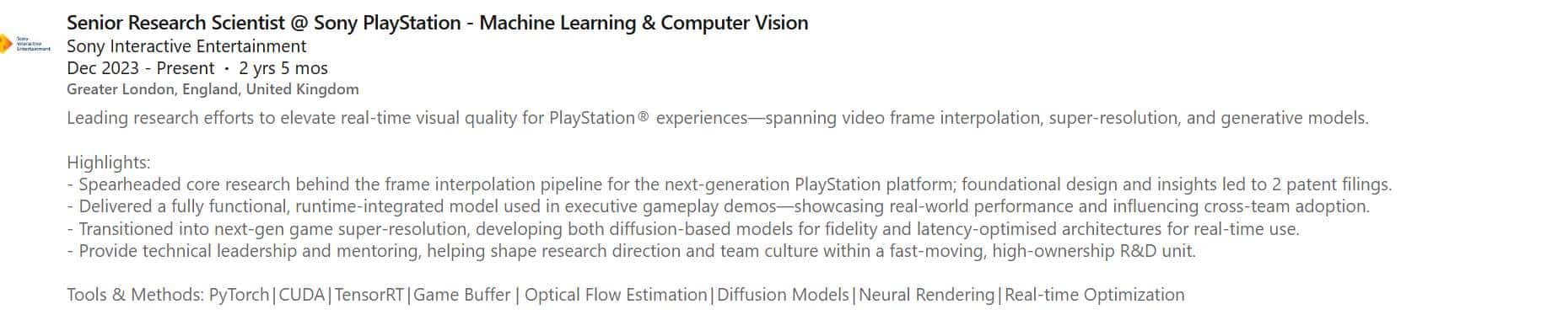
“Spearheaded core research behind the frame interpolation pipeline for the next-generation PlayStation platform“
What stood out to me more was that the “tools and methods” section mentions CUDA and TensorRT, both being Nvidia features. This does seem to reference the tools this senior research scientist used in their research, but it’s still an interesting thing to see. Both upcoming next-gen platforms will be powered by AMD, but seeing what Sony has pulled off with PSSR, to the point that one could say it’s competitive with DLSS in some regards, we wouldn’t be surprised if Sony continued to push the boundaries of what’s possible with the current hardware and its successor. Looking at what the competitor is doing right is only logical if you’re trying to make a better product.

This next part is purely speculative, but I wanted to draw attention to it anyway. While I have no details on what PlayStation plans to do with its next-generation controller (I’m guessing it’s the DualSense 2.0), I’m pretty confident they’ll continue to use SAVANT Architecture. SAVANT? What in the world is that?
Well, PlayStation wasn’t entirely behind the idea of the haptic feedback found in the DualSense. No, in fact, Sony licensed a significant portion of the DualSense’s haptic intellectual property from General Vibration Corporation. If you haven’t heard of them, I don’t blame you because I only just found out about them myself. Their website doesn’t have much going on either, but they’ve apparently been named a key player in haptic technology for the next decade (2025-2035) by IDTechEx, and also won a Wolfram Innovator Award back in 2021.
So, how do they fit into PlayStation? Well…
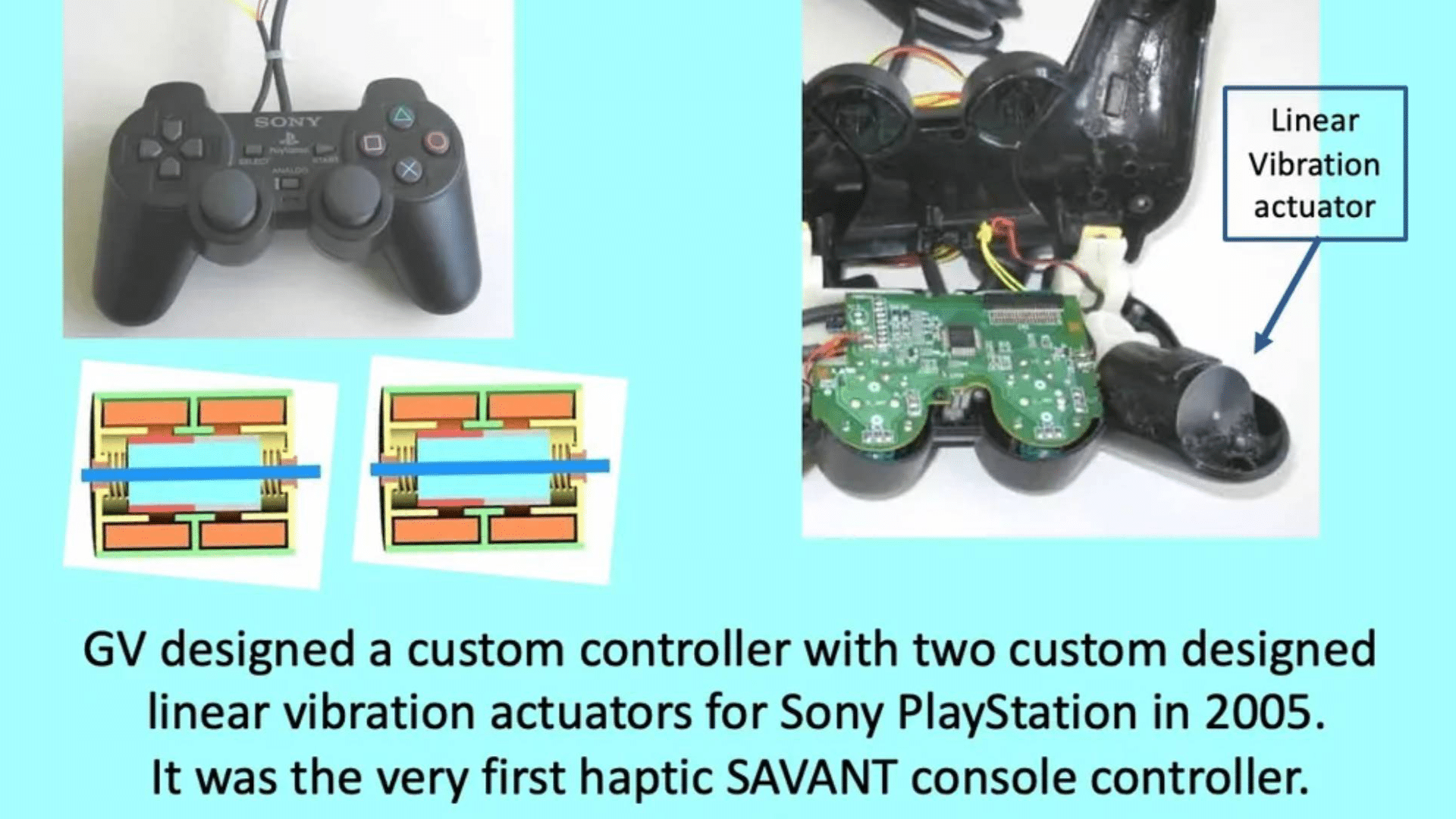
According to the company’s history on its website, it has worked with Sony to some degree since almost the very start. 2005 saw their own developed linear actuators integrated into a prototype PlayStation controller, but it would not be until 2017 that Sony would work with them once again and license their tech for use in the DualSense controller.
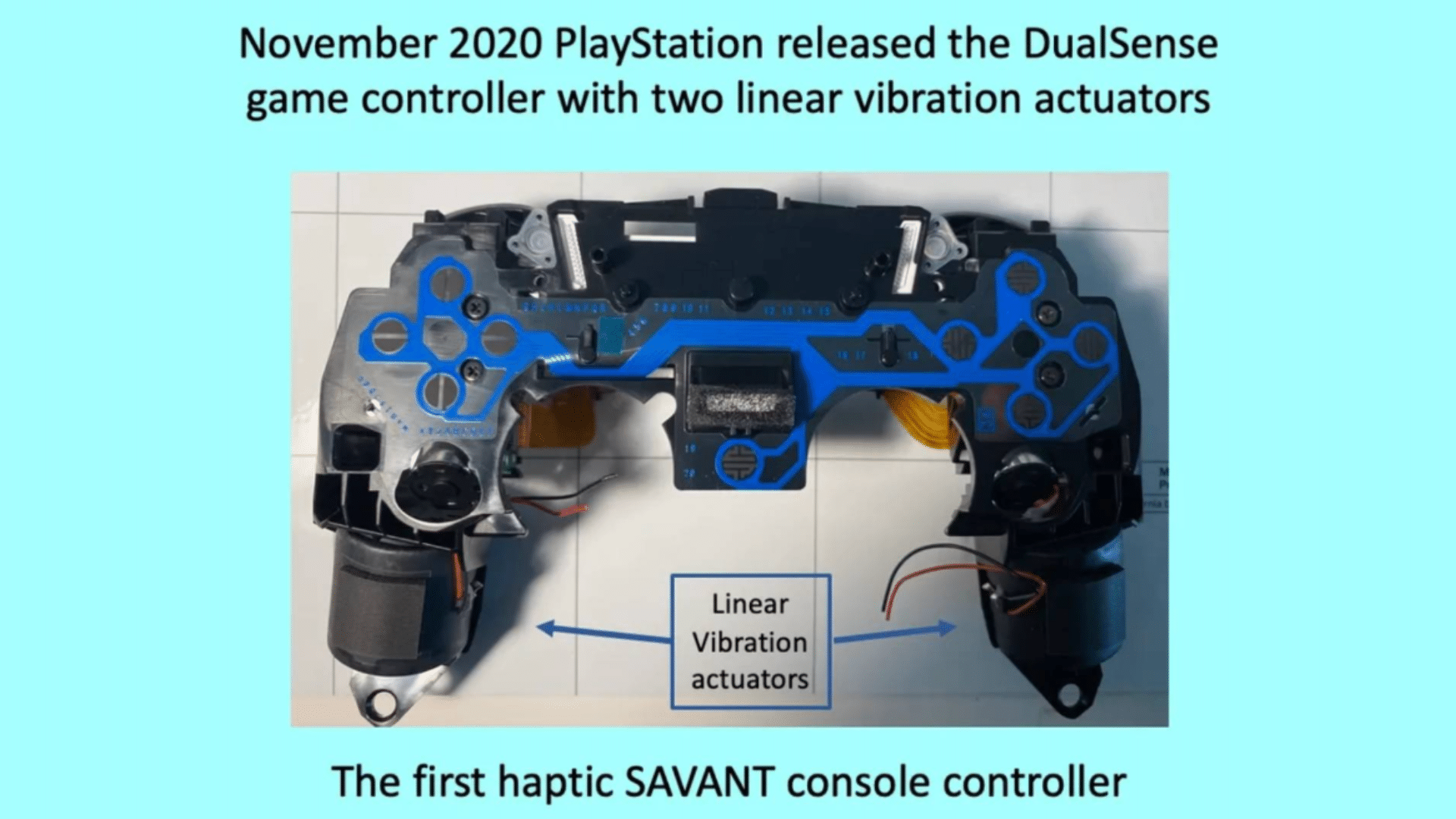
Their tech would then be used in the PlayStation VR2 Sense controllers and again in the PlayStation Portal.
An interesting tidbit that they included on their website is that they have begun working on SAVANT Arrays for Haptic Touchpads.
“We are developing haptic arrays of two or more phase-synchronized LRAs. These arrays, called SAVANTs, outperform the best single LRAs used in mobile phones and game controllers for next-generation haptic touchpads in computers, notebooks, and handheld devices.“
Pure speculation, but I do think we should be keeping a close eye on General Vibration for any potential development, as it may indicate some of the tech going into the next PlayStation controller. I have a good feeling we’ll see whatever this is in the next PlayStation controller, giving us even better, more immersive haptics. Sony recently patented a buttonless controller, so could this be their solution to providing feedback for it?
Personally, I’m not a fan of the buttonless controller idea unless it’s optional and something that comes down the road. I’d much rather stick to something that has a physical press. Given that General Vibration is looking to build next-generation haptic touchpads, I think it makes more sense to see that in PlayStation’s next controller and the rumored handheld.
While we have no doubt the PS6 is on the way, bear in mind that the info we’ve shared is something Sony hasn’t announced officially. Like with anything that’s not been officially announced, things can change.
Hopefully, all will be revealed soon.

This website contains affiliate links. If you click a link and make a purchase, we may earn a commission at no additional cost to you. This helps support our work. Learn more on our affiliate page.




Can’t wait till 2029 (wont be 2027)
It will be 2029 but im exicted
Ps6 wont be till 2029 as the ram shortage is suspected to last till 2030 but im exicted either way
Yea, for a year or two. Then it’s “we kil servas. You go buy new console. Can’t afford? Fuk you.”