Forestrike Hands-On Preview – Roguelike Equalizer

A new roguelike experience is upon us, and it has a pretty cool twist. What if you could see every fight before it happens, planning every dodge, every block, and every strike so that you could execute a battle plan flawlessly? Throw Kung Fu into the mix, and you get Forestrike, a tactical roguelike where the ultimate weapon is your mind — quite literally.
Join us as we explain how Skeleton Crew Studio has managed to put a unique spin on the roguelike genre with Forestrike.

A Battle of the Minds

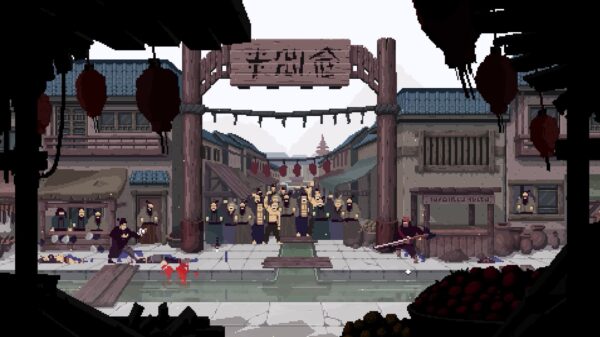
Forestrike isn’t your traditional roguelike experience. Where most are about running through courses as quickly as possible while stacking buffs and such, Forestrike instead takes things slow, limiting each of its main zones to only a few stages that can be beaten in a few minutes, even seconds. Yes, I know that sentence is contradictory, but let me explain how things work in Forestike.
Combat is much like many other 2D brawlers; you have heavy and light attacks, dodges, and even melee weapons, which can also be used for blocking attacks and throwing at enemies. However, the combat is a lot slower-paced and, in many ways, a game of rock, paper, scissors, where you have to be able to predict what the enemy will do and counter it appropriately to win. There is no brute forcing your way through things, as every strike and move you do has a high probability of leaving you wide open for an attack. Get hit enough times, and it’s restarting the run again.
Typically, you face off against three or more enemies simultaneously, which isn’t a lot. But trust me, it’s challenging to the point that death becomes all too familiar.
That’s the usual flow of things with roguelikes. It’s an endless loop of progressing and dying until you eventually get good enough to beat a run. However, death is much different in Forestrike, as you still only have one life, where if you die, you need to start a run-over. But death is unique in this game because you also have an unlimited amount of them. That’s because the main protagonist, Yu, is trained in a meditative technique called Forestrike. This technique allows Yu to envision how fights will go down, all in his mind, where seconds become minutes, and minutes become hours. He can see an endless realm of outcomes, predicting every attack and maneuver an enemy may perform.
From a gameplay perspective, what this means is that you’ll have the opportunity to perform “practice” runs on a stage before initiating the actual fight. In these practice runs, you can die as many times as you want and do them over how many times you want until you feel confident that you’ve nailed down the patterns of a fight. Once you do, you can initiate the real fight, in which everything is on the line. There are no redoes if you mess up, meaning you must perform as perfectly as you did in the practice run. That’s much harder than it sounds, but it’s also really fun.
It’s like the ability from the Sherlock Holm (2009) and The Equalizer (2014) movies, where the characters are about to get into a big brawl when suddenly everything slows down, and they start narrating their attacks and the likely outcome. All of it is drawn out in their minds, which is why it’s moving a lot slower, and when they execute it, it only takes a few seconds compared to the minutes you watched beforehand. Forestriker plays precisely like that.
The flow of combat and nailing down the correct strings of combos, dodges, and such is overall very satisfying. The cool thing is that you get a playback at the end of each stage that you can watch and focus on better, even slowing it down for a cinematic feel. It’s not a massive feature, but it’s pretty damn cool to be able to watch what you just did to realize how badass it looks.
In many ways, encounters work like puzzles; you try to solve them by finding the correct patterns. There’s a lot of trial and error, trying to deduce when an enemy might attack or how you can manipulate them to attack another while also thinking about if you can strike fast enough before they get a chance to recover. There are a lot of things you can do, and enemies will react in a certain way. It’s up to you to determine whether that’s the right approach.
It does seem to be the game’s biggest standout feature, as the rest of it does seem to follow the roguelike experience. There’s a story where every time you die, NPCs will expand further on it. Though anytime you do die, whether that’s a practice run or an actual death, it all loops back to being in the character’s mind. It’s a nice touch to explain death and why the main character is coming back after each time.
There are passive and active skills that you can collect, as well as unique challenges that offer gold or more of those skills. There did seem to be a good variety of upgrades to keep things fresh, and the bosses are challenging to the point that you’ll probably end up doing multiple runs before beating them. It’s definitely a roguelike experience through and through, though the unique Forestrike mechanic does offer just enough of a hook to make it feel fresh and exciting.
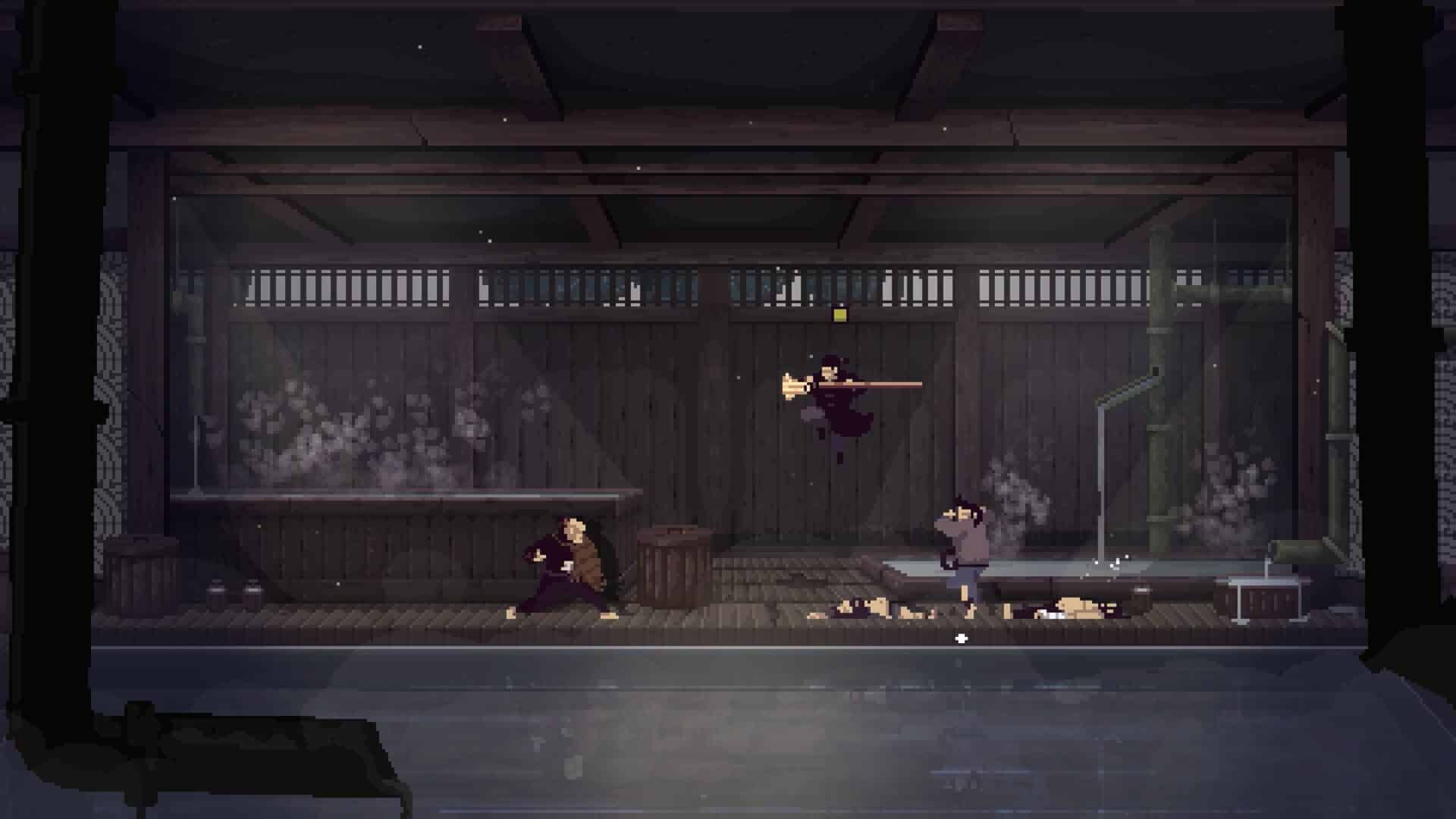
Overall, Forestrike is shaping up to be a pretty solid, fun, and challenging roguelike with a unique twist to help it stand out. It’s set to release later this year on PC and the Nintendo Switch.
This website contains affiliate links. If you click a link and make a purchase, we may earn a commission at no additional cost to you. This helps support our work. Learn more on our affiliate page.