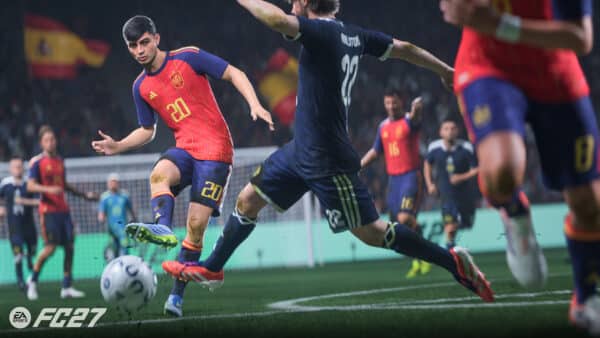
EA Sports FC 27 Review – The World’s Game
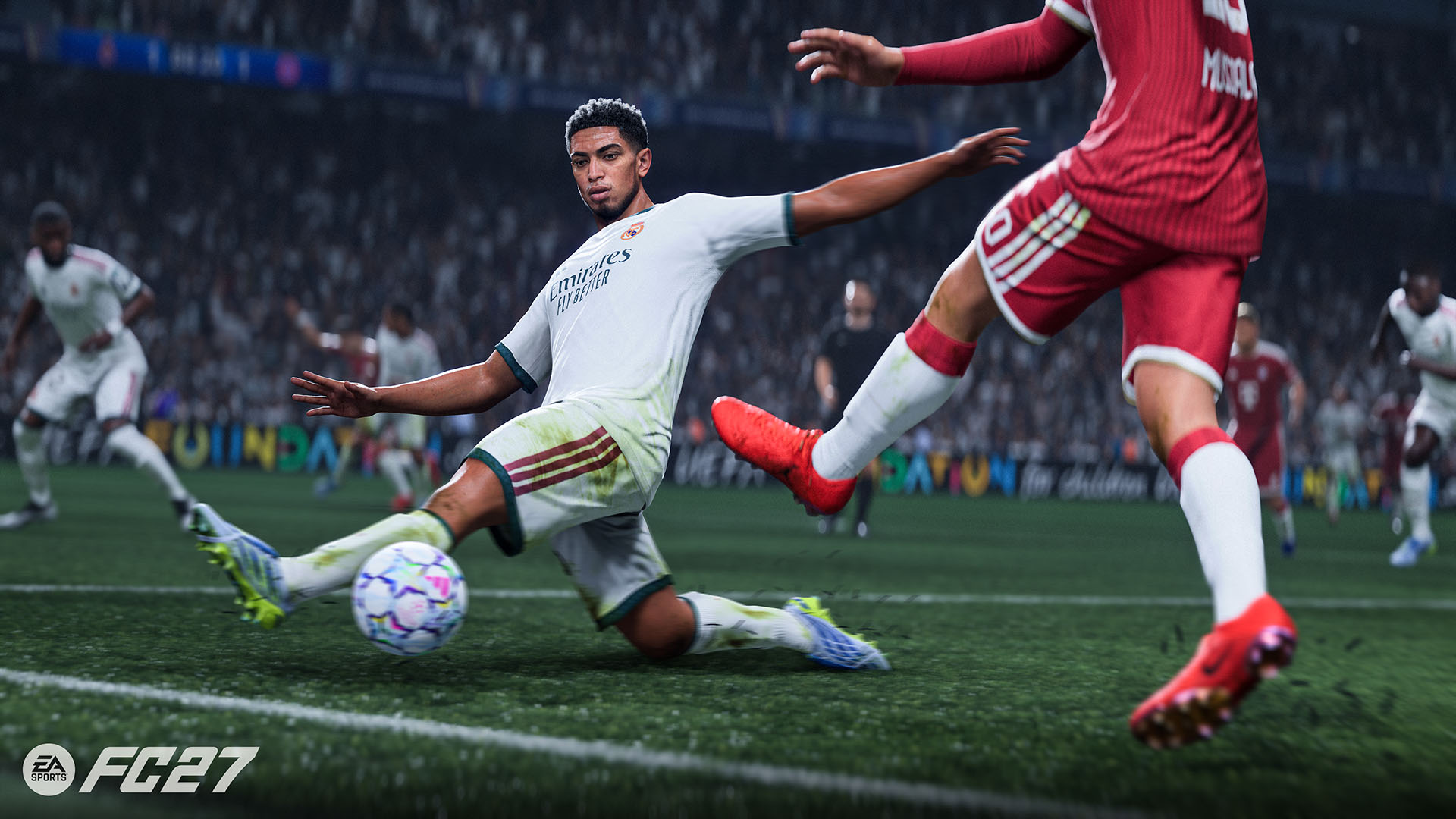
After nearly 30 years under the FIFA branding, it’s kind of hard to believe it’s already the fourth year under the EA Sports FC name. Since the name change, the series has been pretty consistent, yet still looking for that truly breakout entry that blows everyone away.
While this year’s iteration may not be that game yet, it lays a foundation that could propel the series forward in the future.
Authenticity Is Key
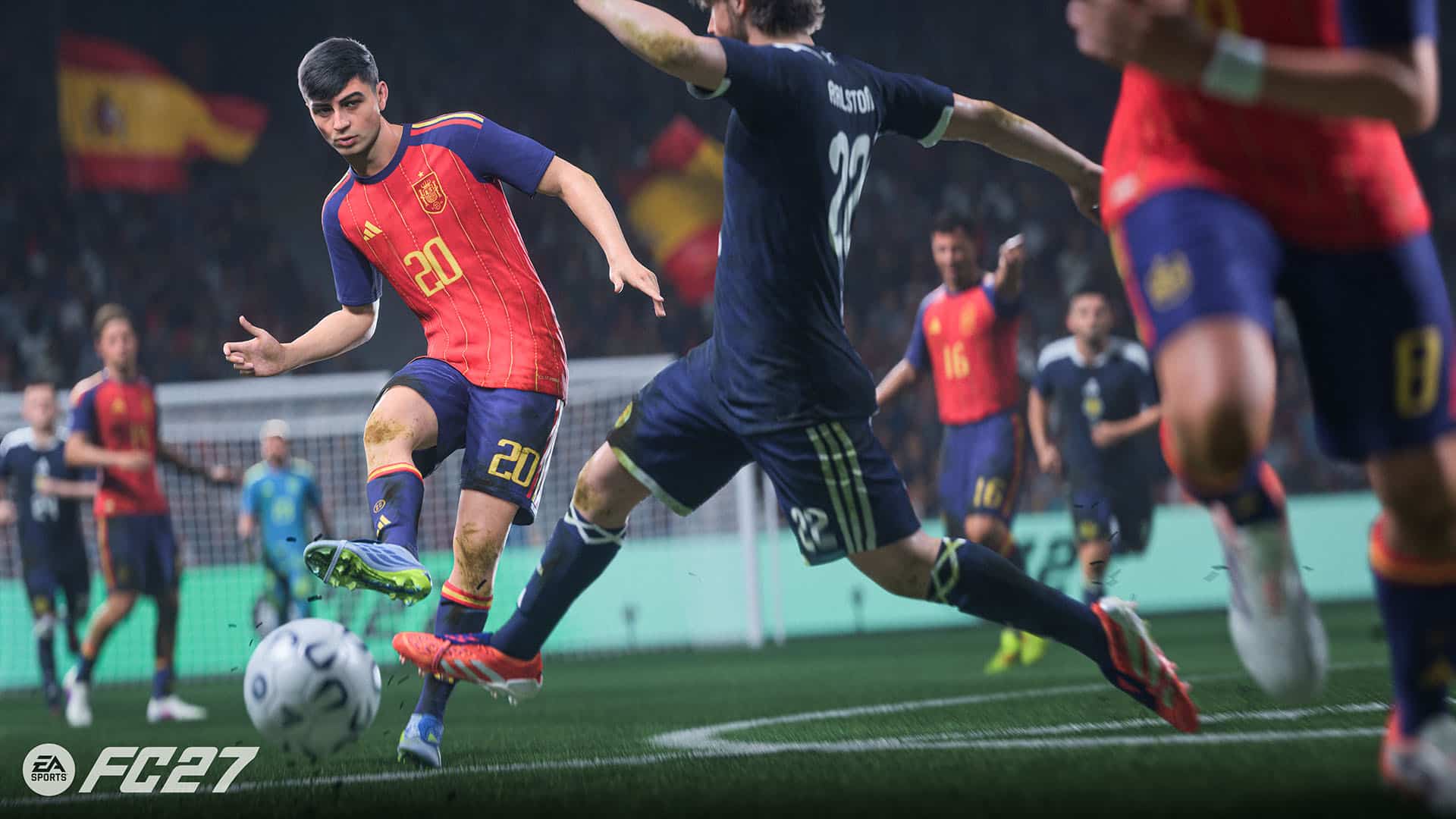
The most important aspect of any sports game is gameplay, and the FC series, dating back to when it was still FIFA, has always done a great job bringing the pitch to life with authentic gameplay that feels like you’re actually playing. There is always work to be done, though, and that is what EA Sports focused on this year: improving gameplay rather than making major overhauls in that department. In fact, the developers have said community feedback fueled the gameplay changes in this year’s game, so some of your past issues may be resolved this time around.
On the defensive side of the ball, AI Defending has been adjusted to reduce the overall influence of AI-controlled defenders, allowing you to have more power in your hands as a manual player. In the past, some of these AI-controlled defenders would try to take control when you got close, but now they play more like a team, based on their positioning, to support you on the pitch. That is not to say that the AI-controlled players do nothing now, as they still play their part and will help out in a supporting role, but now it feels much more like you’re in control than they are, as it often felt in the past. With the scale-down of the AI-defending, improvements also come to manual defending, starting with increased jockey speed to help you keep up with the movements of the other players due to better responsiveness.
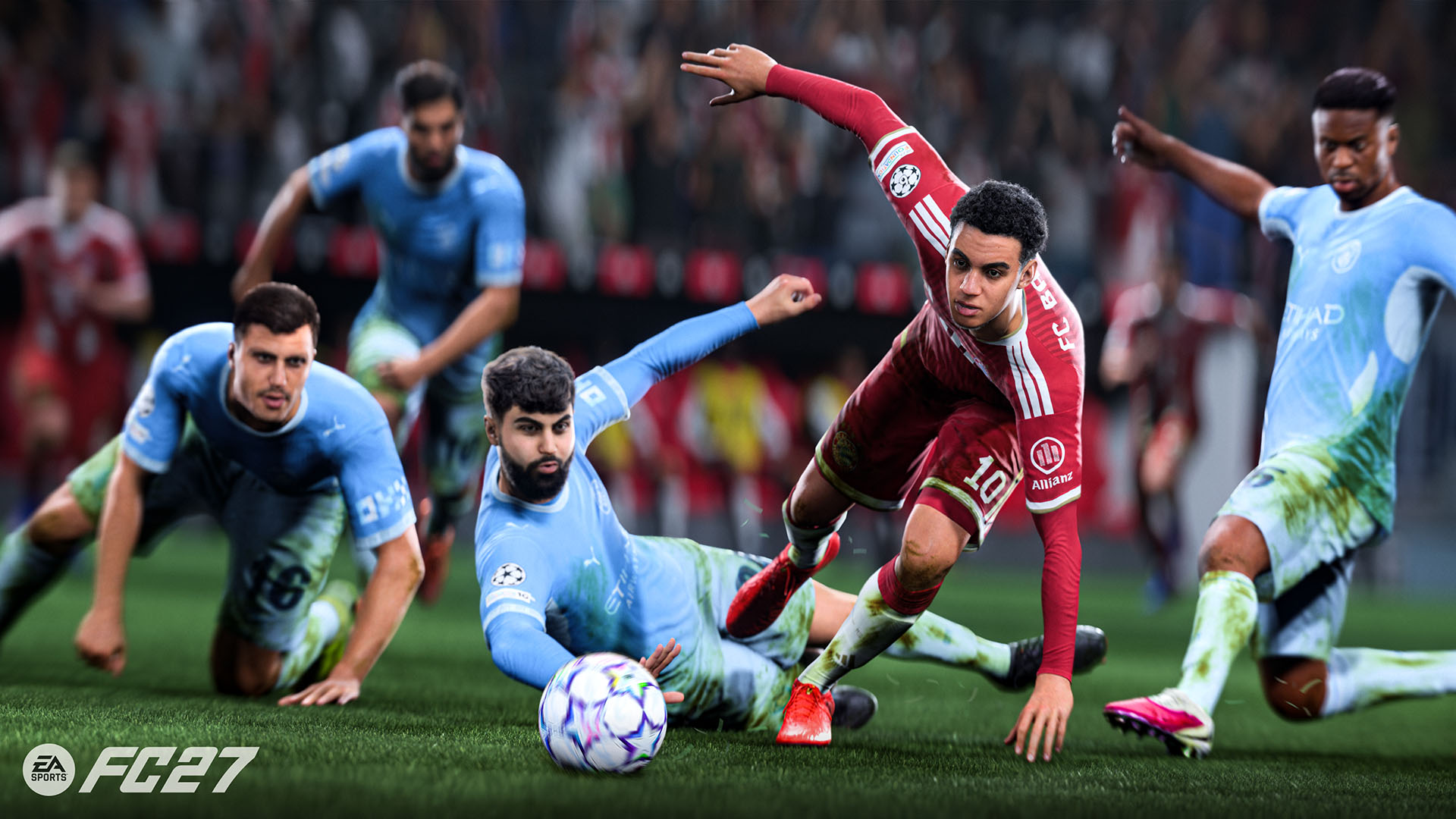
AI attackers also got an upgrade this year, with updated attacking spatial awareness that makes them more aware of what’s happening around them. The goal was to make attacks act much more naturally than they did in the past, which helps a lot when pushing the ball upfield. This is also paired with new manually triggered curved run options that you can execute to pass the ball more effectively. Passing in general has also changed a little, with some smaller updates to through passes and dinked passes to make things feel more realistic. As per usual with updates like this, these are things that players might not have realized directly what was different, but they do make an impact and have made the gameplay feel even better this year.
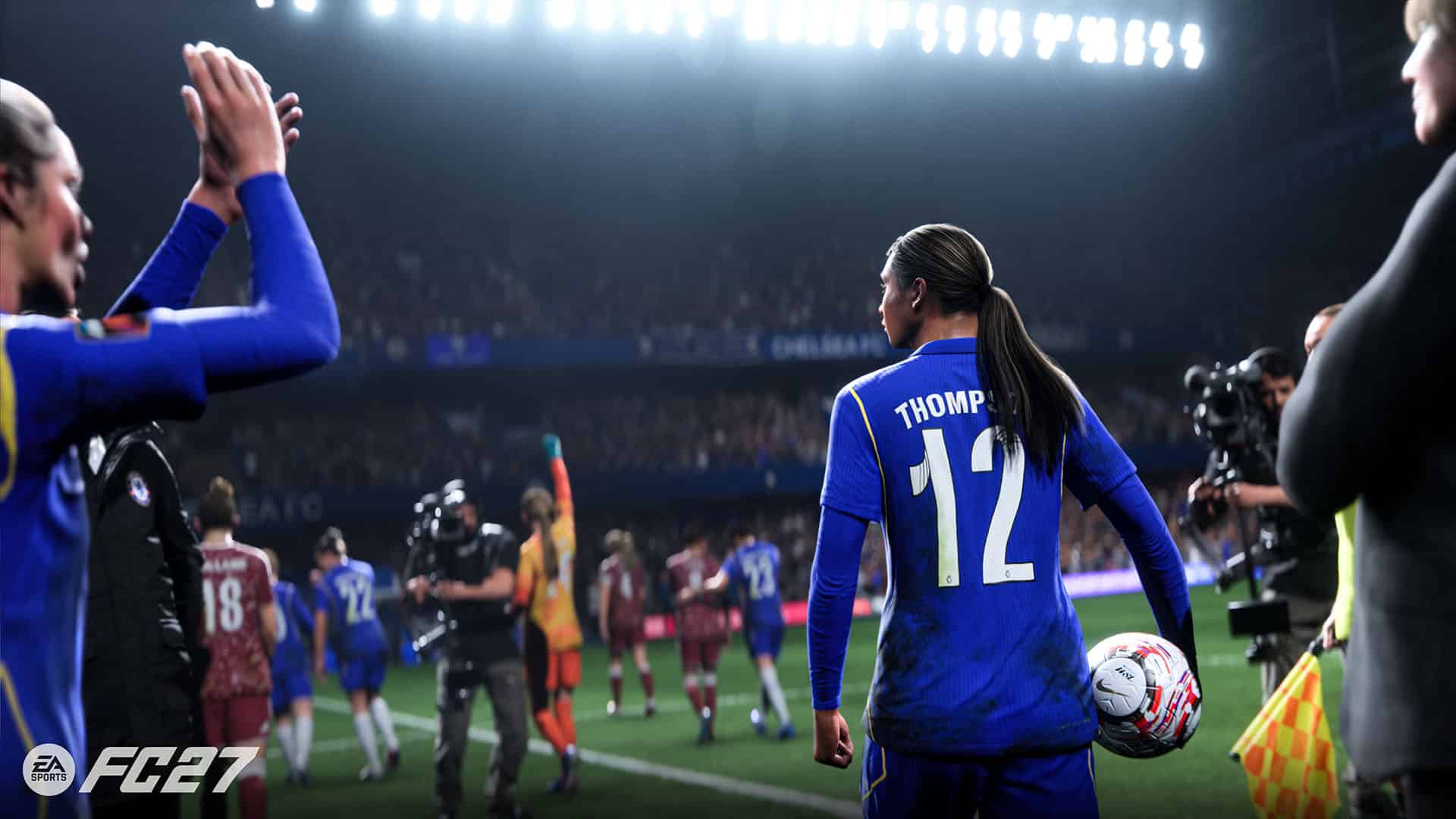
Beyond the gameplay, the presentation and visuals are once again top-notch in EA Sports FC 27. The character models in some of the career modes may not always be the best, but the actual stadiums and players on the pitch look fantastic. I love how much time is always put into the different club-exclusive introductions at their home stadiums, which I always try to watch due to their spectacle and attention to detail in the real celebrations.
Enter The Grounds
EA Sports FC 27 introduces an all-new game mode this year called The Grounds, a connected social playground for the game. In The Grounds, you must pick your first player archetype, which helps shape your strengths, skills, and abilities. From there, you work to upgrade and customize it the more you play. Eventually, you can unlock and switch between multiple archetypes, giving you more versatility as a player. Each archetype can also be further complemented by focusing on certain attribute upgrades on your player.

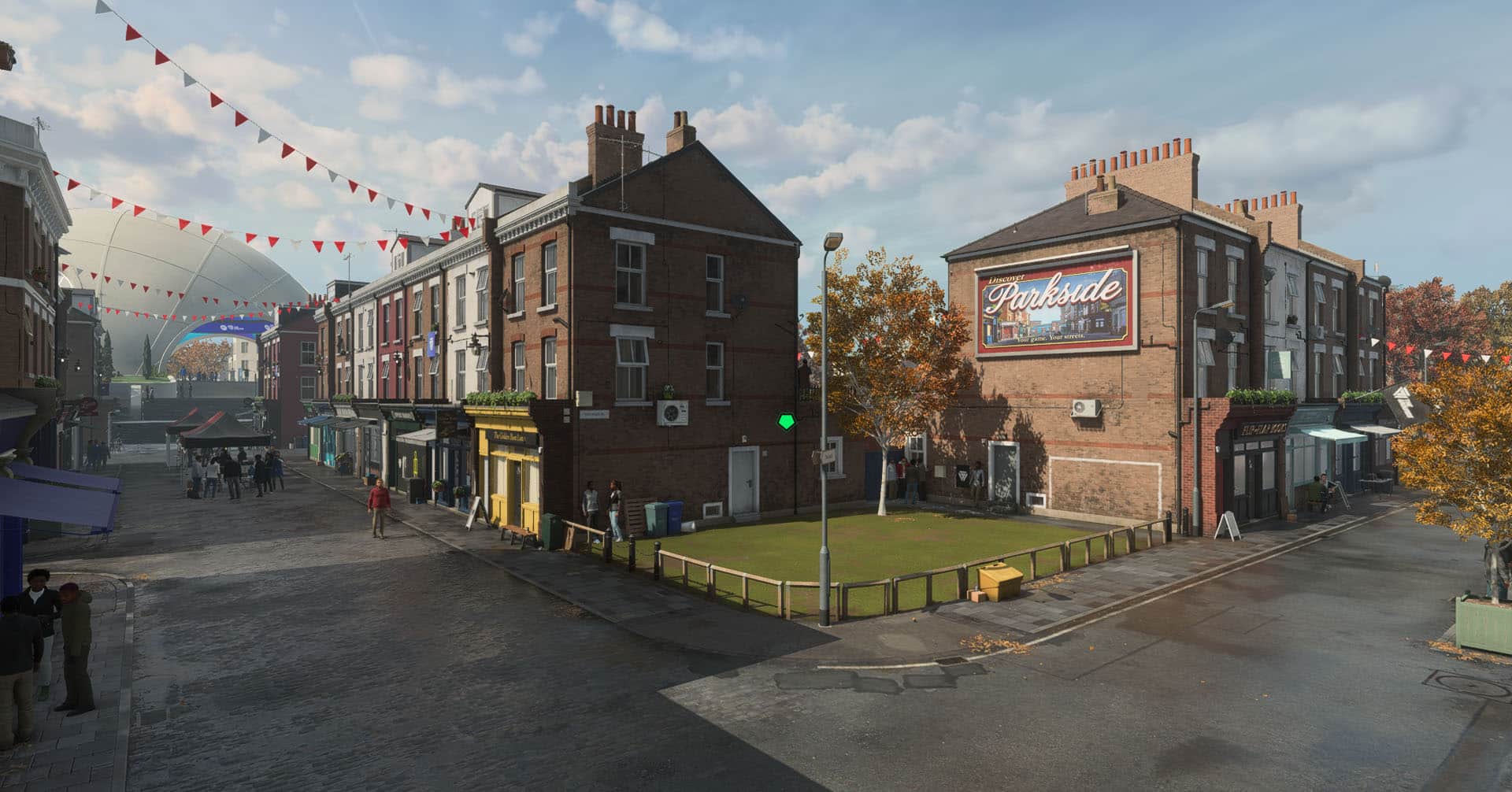
Once you create your character and enter The Grounds, the first thing many players will notice is that The Grounds is heavily inspired by NBA 2K’s The City. This was pretty much to be expected with mention of it being a connected social hub, but there is no doubt once you see how it is set up. Something to set The Grounds apart, though, is that it is split into separate districts known as Montclair, Zeiza, and Parkside. The three are meant to represent the energy of French urban football, Argentina’s Potrero spirit, and the UK’s working-class football heritage, respectively. The attention to detail for each of these is top-notch to fit the aesthetic for each location. In fact, walking through Parkside made me feel like I could just run across Ted Lasso at any time.
While these areas are separate, you can walk from one to the other without any loading screens, as there is a central hub with the store that you can use to walk between each of them. Something I also really appreciate here is that right from the start you have the ability to fast travel to any of the events on the map, which is something I’ve long had an issue with on The City. This fast travel is instantaneous too, which was quite impressive.
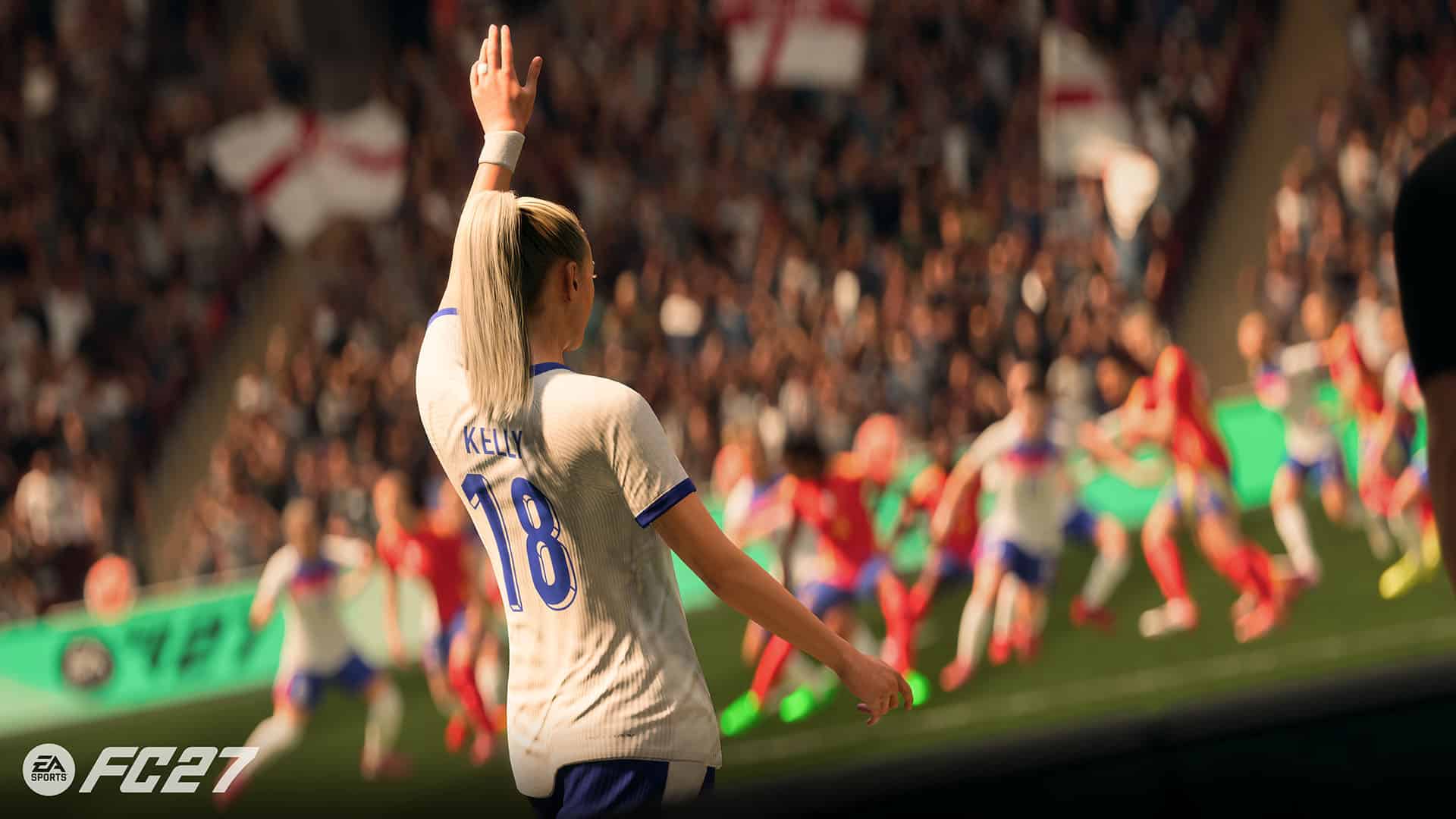
Longtime fans of the franchise will remember Alex Hunter as the star of The Journey story mode in FIFA 17, 18, and 19, and now he’s back again as a character within The Grounds. You do not play as him, but he instead serves as a central character in your player’s growth, as he will connect you with three other mentors, Kylian Mbappe, Chloe Kelly, and Paulo Dybala, who help shape many of your goals without The Grounds. As you meet new mentors, they will give you new objectives to complete to earn rewards. Unfortunately, there is no grand story here like we saw with The Journey or even see yearly in connection with The City in NBA 2K games. Perhaps this is just a testing ground for future entries where they may expand on that area after setting the foundation here.
Fitting the street-level setting of The Grounds, the matches you’ll find throughout the area are of the street football variety, including 1v1, 2v2, 3v3, and the 4v4 Rush for straight-up football action. Then you have other options like a variety of different game styles such as Bocce Ball, Goal Control, Balloon Ball, and Team Keepaway to name a few. These are unique takes on the existing gameplay that players can team up and play just like the other matchups. What I really enjoy about having an area with more casual playstyles of street football is that this allows for much more pick-up-and-play opportunities than some of the other modes that require a much larger investment of time due to the longer matches and grueling seasons. Here, you can jump in and play whatever you’d like pretty quickly, level up a bit, and jump right out until your next play session without an issue, which is very enticing to a lot of players, including myself.
The only real issue that I came across while playing in The Grounds was that you are entirely reliant on other players to play these matches. While playing the game during the early access period and even on release weekend for the game, I had to wait a long time for a few of the matches just to get enough. It didn’t take long to get a matchup for the 1v1 matchup, of course, since you just need one other person, but I sat and waited for close to 10 minutes just to find seven other players for Rush. If that’s a problem already on launch weekend especially, this could be a problem in the long term. However, considering the popularity of the FC series, hopefully the abundance of players was just split between different servers, and there will be plenty in the pools in the future as the game is played year-round.
Clubs have been a part of the series for more than 15 years now, but this time the mode has been integrated inside The Grounds. This is a perfect fit since The Grounds seems like a natural evolution of the online-based team concept that Clubs already had, but not with lots of additional content. The mode wasn’t just shifted into The Grounds either, as the mode also returns Leagues and Playoffs this time around. In addition, live events within clubs have expanded to include Club Tournaments for the first time. These are intense 11v11 competitions where you can compete against other clubs across game types such as King of the Hill and Survival.
Navigating A Career
While The Grounds sadly does not connect with a real story mode at all, FC 27 returns the staple Player Career and Manager Career modes, where you can start a journey as a single player or as a manager over a full team. In Player Career, you once again have the option to create a new men’s or women’s player, play as a real men’s or women’s player, or play as an icon player that does not still play today.
Manager Favor is back again in Player Career, where you have to build Manager Favor to advance your career from a bench player to a starter if you are starting from scratch. Not making the roster can lead to you getting loaned out or even transferred. Personality Points and Personality Levels have also returned, forcing you to build your player in certain areas to shape your personality. You can still use your money on investments too to build your off-the-pitch life and such, but this still feels a little ancillary to me overall. I wish there was more story interactivity here instead of focusing on the financial side quite as much. It’s still fun, but not something I really find myself paying a lot of attention to after the early parts of my career playthrough.
Manager Career then serves as the more franchise-style mode found within FC 27, where you can choose from the live version or the original style. Live was introduced last year and is a great offering to keep things feeling more alive in your mode, while original is still good for the more traditional players. Live career brings you many challenges that are added throughout your season, which keeps you coming back for new content rather than playing the same thing over and over.
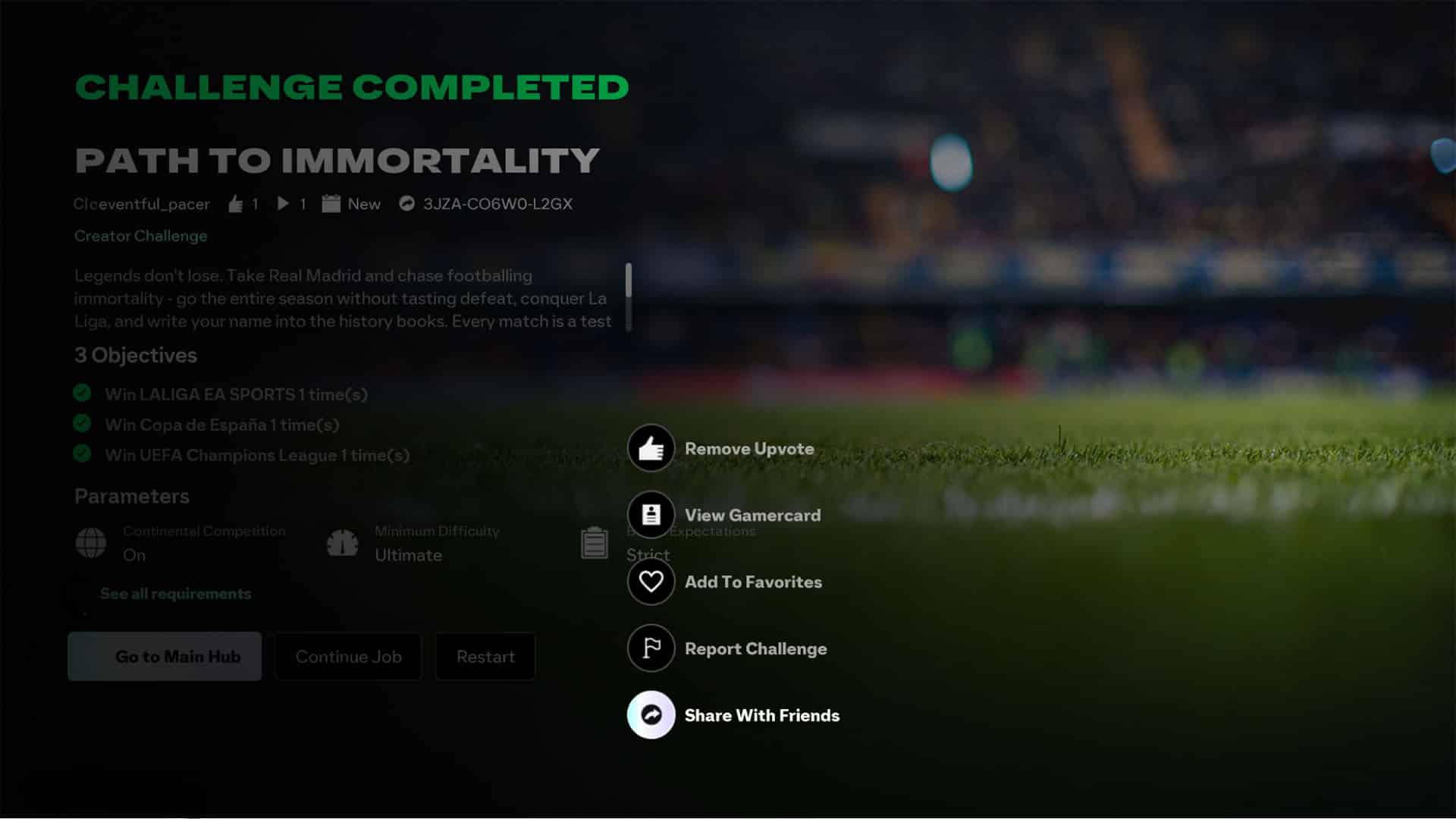
Many of the elements of Manager Career are carried over from last year, but the main focus this year was a complete overhaul of the Transfer Market that they are touting as one of the biggest franchise updates ever. EA Sports partnered with TransferRoom this year, which is the leading football transfer value platform that is actually used by clubs around the world to sign players, to help develop a new valuation model to be used in Manager Career to offer the most accurate player valuations ever. Players are not set just one time, and that is how they are judged from that point onward, as the valuations evolve over time throughout your manager career based on changes in the market across the seasons. By using this new valuation model, transfer fees and AI negotiations are much more true-to-life than in the past.
That is far from all when it comes to upgrades to transfers, as transfer negotiations now take place across multiple steps instead of just one single instance. The times between are not set intervals either, as they very much depend on how the negotiations are going. With the new transfer stages, there are many more opportunities for intense transfer battles, stealing of players last minute and other situations that you’d see in the real transfer market. I really love the unpredictability found here now that was not around before, which felt similar to some of the changes made to College Football 27’s recruiting system this year in a way.
The Transfer Hub in the game has also been split into two separate areas, Scouting and Transfers. This streamlines the experience by not cluttering up one or the other with the varying stages you may be on with players. With so many elements to this, it could have easily gotten very convoluted if it was all crammed into one area, so this is a big help to prevent that from happening.
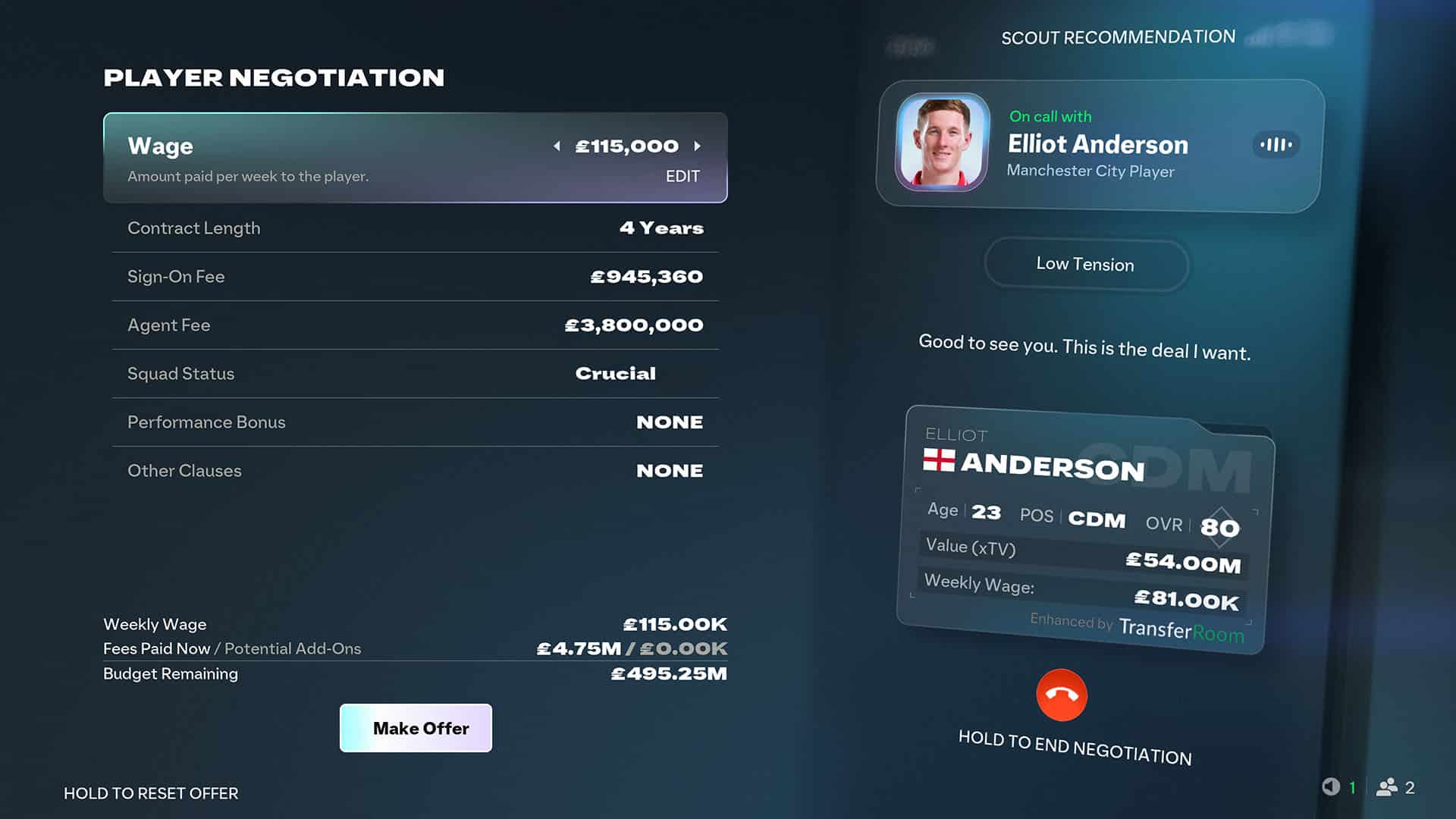
There are also a number of other changes when it comes to transfers in the mode, such as offering more negotiation tactics and tools, letting you decide when a deal will start with potential delayed transfers, the introduction of installments for transfer costs, and the allowance of clauses in contracts for clubs to retain future transfer rights on a player. There is even a new negotiation interface screen for the hammering out of contracts and finally putting pen to paper with a new signing reveal setup.
One of the most polarizing yet popular game modes in the series is FUT, the card collecting mode where you strive to build your own super team of mixed superstars and compete in various competitions. For the most part, FUT is just as you come to expect it each year, and this year is not going to change the mind of those who haven’t been fans in the past, while it should still be great for those who do play it each year despite the microtransaction aspect that is always present.
While microtransactions are still present with FC Points, I did appreciate that the game asks you if you’d like to automatically transfer any unused FC points from last year’s game to this year’s. I happened to have some outstanding FC points, and the game prompted me to transfer them over easily. These are the points that you buy with real money, so it would have been pretty bad to not be able to carry that over. There are also FC Coins that you can grind to earn in-game and use to buy the same things as with FC Points, in addition to FUT Tokens that were introduced later last year as well for special rewards.
A new element of FUT that was introduced in FC 27 is the FUT Gallery, where you have a legacy of the Player Items that come through your club in FUT over time. With this, you can create records of how you constructed your team and succeeded or were let down by specific players. This also allows you to build towards earning special rewards in the FUT Gallery with Sets themed around themes like Leagues and Clubs. The goal is to have the best items in your Sets when completing a set to get top-tier rewards based on your Set ratings. The Sets are not locked down after completing either, as you can upgrade them over time to make them even better by collecting holographic variants and other higher rarity cards. Not only are you rated by Sets, but also by the time you spend in your overall Gallery level. The Gallery isn’t just a simple screen with the items listed either, as FUT displays them as 3D objects to give you a better sense of what you’ve actually collected and completed over time.
Like most entries in the series, EA Sports FC 27 runs quite well most of the time. There were some bugs that did hinder the experience at times, though. One had my player falling completely through the floor and ending up in what looked like a cloudscape somehow below everything. Thankfully, I was able to fix this by simply fast traveling to somewhere else on the map instead of having to restart. A more severe one was when I was redeeming rewards from completing goals, and it locked me into an FC Loyalty window with FUT packs that I could not exit regardless of what I did, forcing me to close the game and restart it. Otherwise, things ran super smoothly across the different game modes.
The Verdict
EA Sports FC 27 makes small upgrades in some areas along with a few major upgrades that include a brand new game mode and a potential game changer in another. Manager Career got a big shot in the arm thanks to the Transfer Market changes that overhauled that entire experience. The Grounds was the biggest addition to the game that I had a lot of fun with and foresee myself playing quite a bit, even though I do think it could have had more story connectivity instead of the samey Player Career mode. This is a mode that the developers will likely build on beyond EA Sports FC 27 that could really keep the series moving forward.
Pros
- Gameplay upgrades with lack of reliance on AI Defenders and Attackers
- The Grounds sets the stage for the future
- Transfer upgrades in Manager Career
- Authentic presentation
Cons
- Very little story, if at all, in The Grounds
- A few bugs within The Grounds
- Microtransactions are still a part of the game
EA Sports FC 27 was provided by the publisher. You can read MP1st’s review and scoring policy right here.

This website contains affiliate links. If you click a link and make a purchase, we may earn a commission at no additional cost to you. This helps support our work. Learn more on our affiliate page.