Report: Details for “Project Sundown,” Skeleton Key & WOTC’s Cancelled Horror Game
Early last year, reports surfaced that Wizards of the Coast had quietly canceled an unannounced horror game at its Austin-based studio, Skeleton Key. The cancellation resulted in an unknown number of layoffs, with WOTC later confirming that the developer would put this project aside to fully shift to a second title, which they were already developing in parallel.
Founded in 2022 by BioWare veteran Christian Dailey, the studio announced its mission was to deliver AAA experiences centered around “immersive gameplay, unique stories, and thought-provoking moments of suspense and horror.”
From the start of the project’s development to its end, no concrete details ever surfaced about what their debut game would have actually been about. However, we have since uncovered exclusive details about that lost project, including its official codename and its planned narrative direction.
Skeleton Key’s “Project Sundown” First Details
Developed under the codename “Sundown,” the game was a psychological journey mixed with sci-fi and survival horror elements. The story revolved around the mysterious disappearance of a renowned scientist named Victoria, and her ex-partner Ava’s quest to find her.
Ava, a mechanical engineer, is initially tasked with retrieving a valuable piece of technology located inside Victoria’s scientific research facility. This isolated complex served as the main setting of the game, housing all types of weird creations built by Victoria.
The mission quickly turns into a nightmare for Ava, as she encounters terrifying threats like human-like cyborgs and robots modeled exactly after her, called “Robo-Avas.” These robots worked as a hivemind and mirrored various aspects of Ava’s own personality, turning the game into a literal face-your-fears scenario.
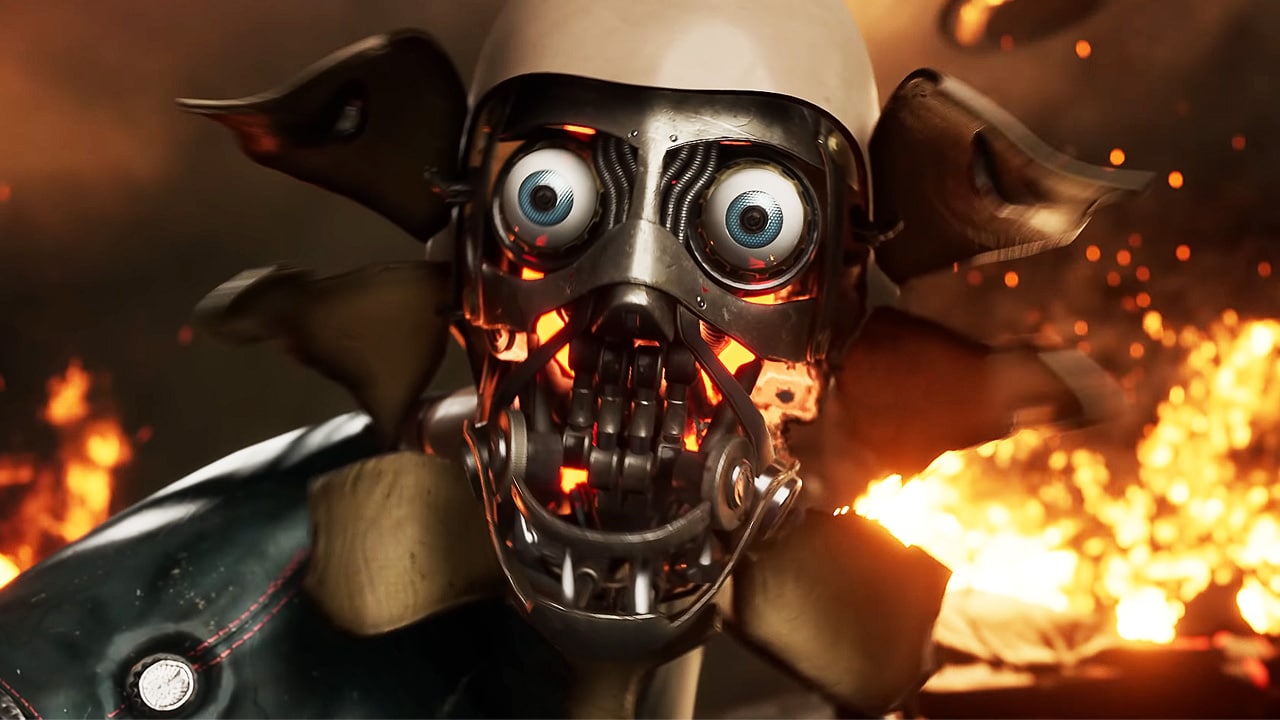
To survive these threats, the player had to scavenge the facility for weapons and useful objects, starting with melee items like a metal femur used as a crowbar, and later on, firearms found in areas like gift shops. Healing mechanics were similarly tied into the sci-fi horror narrative, as instead of traditional medkits, players utilized items like the “Eternity Elixir,” a packaged neo-Victorian syringe containing live human stem cells.
Players would also discover unstable spaces called Breaches, liminal locations searched by the Robo-Avas that provided crucial leads regarding Victoria’s whereabouts. This dynamic actually made the Robo-Avas useful to the protagonist, despite their creepy nature.
One of the main antagonistic forces was a massive, humanoid killer robot named Alex. Since this robot had no voice, it chose to communicate by playing pre-recorded songs from the 1970s and 80s. While stalking and collecting Robo-Avas throughout the facility, his primary objective was to hunt down the protagonist to prevent her from completing her mission.
The game also featured an interesting cast of side characters, such as David, one of the facility’s security guards, and Oscar, a pretentious theatrical actor who transferred his consciousness into a robot after his death so he could live and act forever. While these eerie sci-fi horror concepts will never see the light of day, they just mark the end of Skeleton Key’s first chapter as the studio pivots to something entirely different.

So…What’s next for Skeleton Key?
Creative Director Corinne Busche, fresh off directing Dragon Age: The Veilguard, currently leads the studio’s latest project. On her departure from BioWare, Busche stated that we could count on this upcoming game “being in the CRPG space and upholding the tradition of great characters.” While Skeleton Key has officially revealed nothing about it, recent job listings give strong hints regarding its direction.
According to these listings, the new game remains in the pre-production phase, and among the interesting details given for applicants are mentions of story-driven action RPG gameplay, first-person storytelling, interactive dialogue scenes with a branching narrative, and multiplayer/co-op gameplay systems.
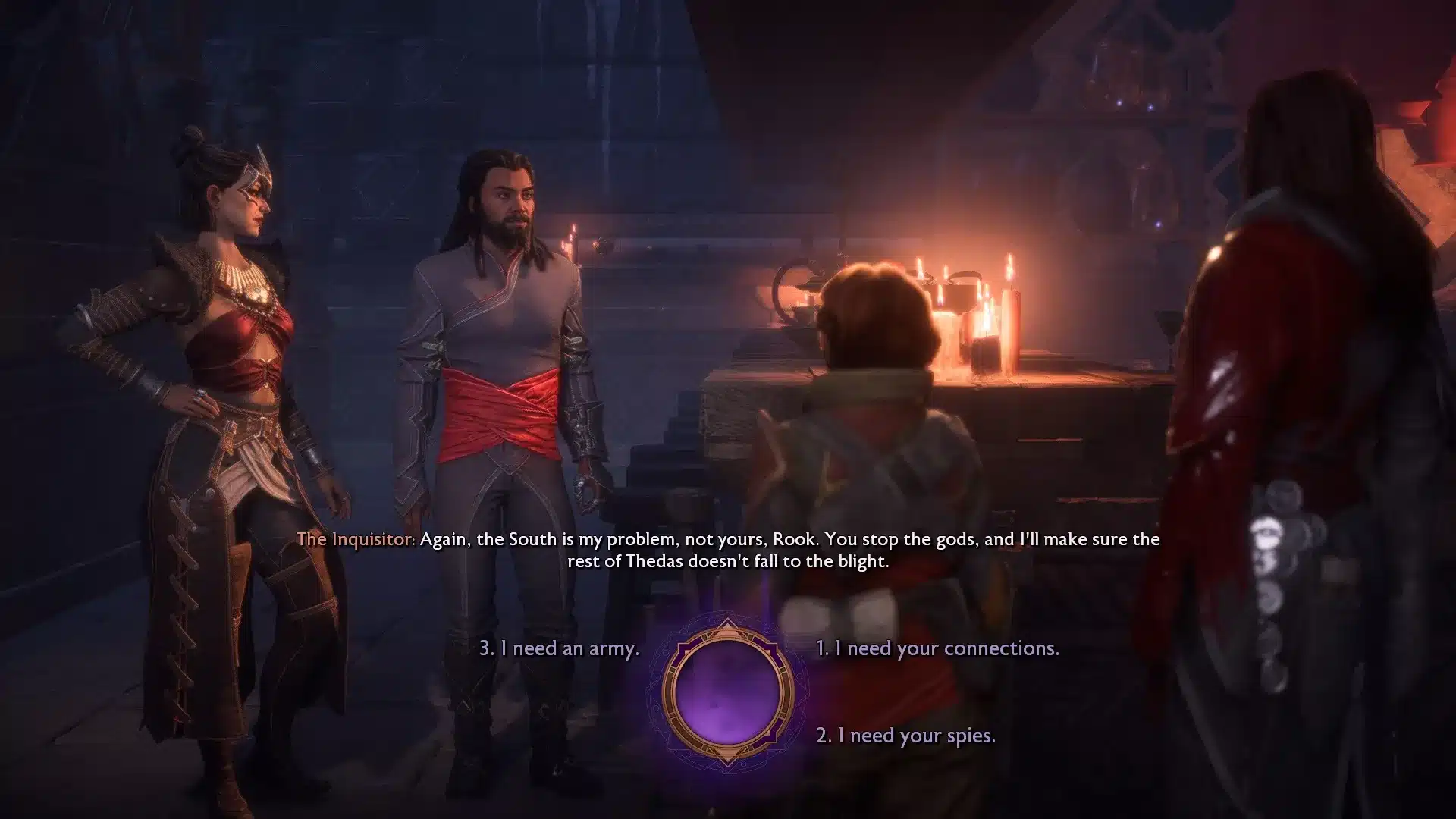
Given Wizards of the Coast’s explicit desire to capitalize on the massive success of Baldur’s Gate 3, Busche’s background in high-profile fantasy RPGs has already sparked heavy speculation that Skeleton Key could be working on Baldur’s Gate 4. However, the details like a first-person view already clash with the series’ traditional top-down isometric experience. Whether this points to a radical reinvention of the franchise or a completely separate, D&D-based action RPG remains to be seen.
Either way, this upcoming title represents a test to see if the studio can break the pattern of its predecessor and other recent casualties under the Wizards of the Coast umbrella. The last few years have been brutal for the company in the gaming sector, marked by a wave of high-profile cancellations. This includes D&D projects like Hidden Path Entertainment’s Project Dante and, most recently, the unannounced title from Stig Asmussen’s studio, Giant Skull.
This website contains affiliate links. If you click a link and make a purchase, we may earn a commission at no additional cost to you. This helps support our work. Learn more on our affiliate page.