Shinobi: Art of Vengeance Review – A Perfect Storm of Steel

2025 is an amazing year to be a fan of samurai and ninjas, with games like Assassin’s Creed Shadows and Ninja Gaiden leading the pack of their sudden resurgence with releases earlier this year, and soon, Ghost of Yotei and Ninja Gaiden 4. But what I wasn’t counting on was perhaps one of the biggest surprises for me this year, and that was the announcement of SEGA’s Shinobi franchise returning for yet another classic 2D entry.
What’s more, Streets of Rage 4 developers, Lizardcube, were helming it, and after creating one of the best beat=’em-up games we’ve ever played, my excitement for Shinobi: Art of Vengeance was high. Suffice to say, Lizardcube has crafted a worthy entry in the Shinobi franchise, as Shinobi: Art of Vengeance is easily one of the best games in the series, and even one of the best games released this year.
Joe Musashi, A Man of Few Words, But a Man of Purpose
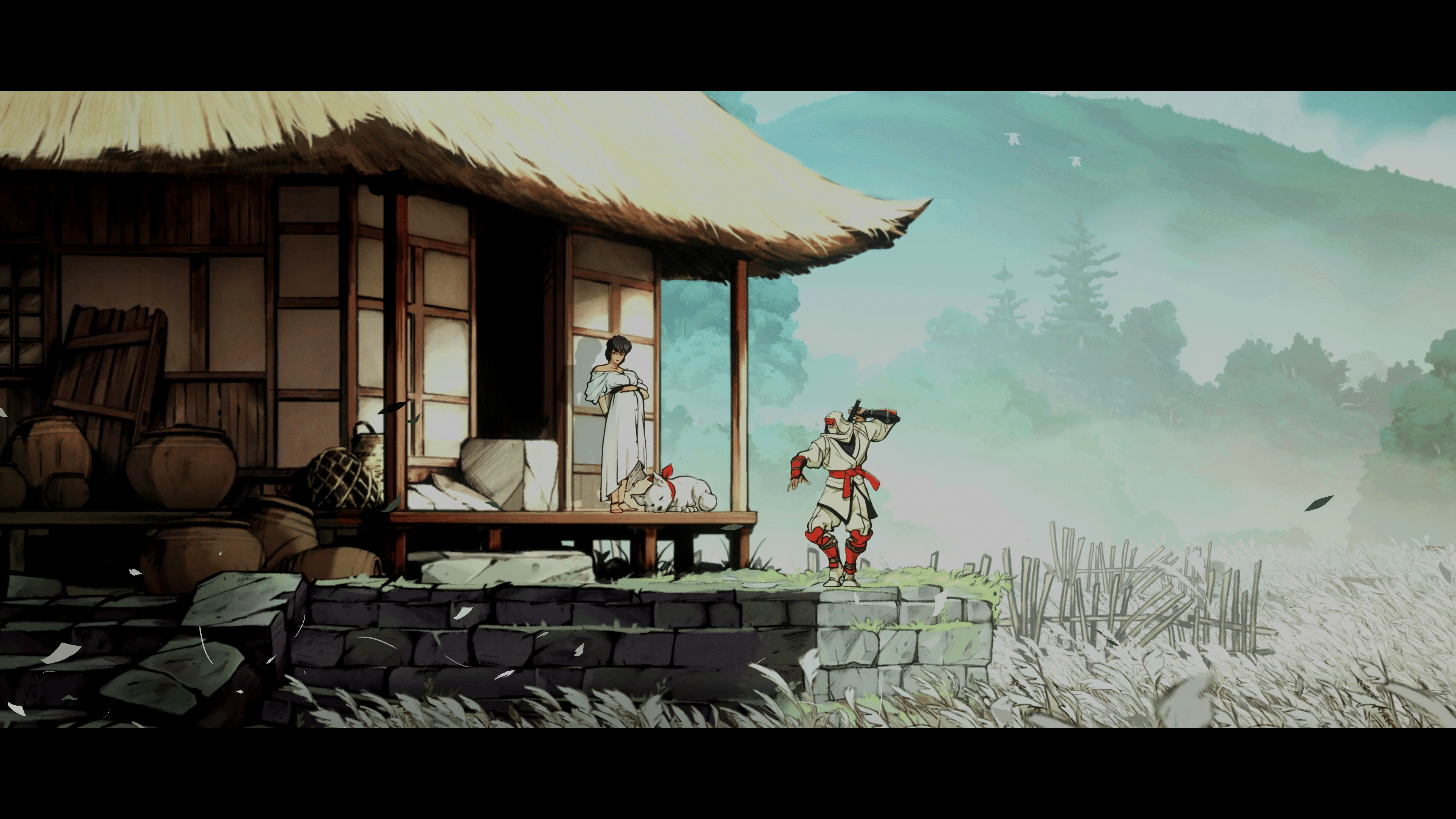
The story of Shinobi: Art of Vengeance kicks things off right as most tales do. After many stories of valor, our hero, Joe Musashi, the leader of the Oboro ninja clan, finds himself enjoying a bit of life. After saving the world countless times, Joe is finally getting the rest he rightfully deserves, which for him is settling down, marrying, and soon having a child on the way. Though like all hero tales, peace does not last long, as an evil military organization suddenly invades Oboro’s village, called the “ENE Corp.”
Led by a mysterious figure named Lord Ruse, his ambitions have led him to the Oboro clan in an attempt to eliminate the one threat that could stop him and his organization from total world domination. With his village now destroyed, Joe ventures off on a tale of vengeance so that he can avenge those brutally slaughtered by the ENE Corp and save the world once more.
I’ll stop right here in terms of story discussions, as all of this can already be experienced in the free playable demo. But as far as stories go, this is easily one of the best-crafted stories in the franchise. It goes without saying that the narrative was never the strong suit of the classic series, as it did, after all, begin life in the late 80s with its sequels all spanning across the 90s. Most games back then were scroll text in terms of narrative, with an opening, and then after that, being entirely focused on the gameplay and such.
But not with Shinobi: Art of Vengeance, as it features a full-length story with cutscenes and cinematic moments, and all despite being a 2D hack and slash. I say hack and slash because calling this a simple platformer would be a disservice, but I’ll talk more about that later.
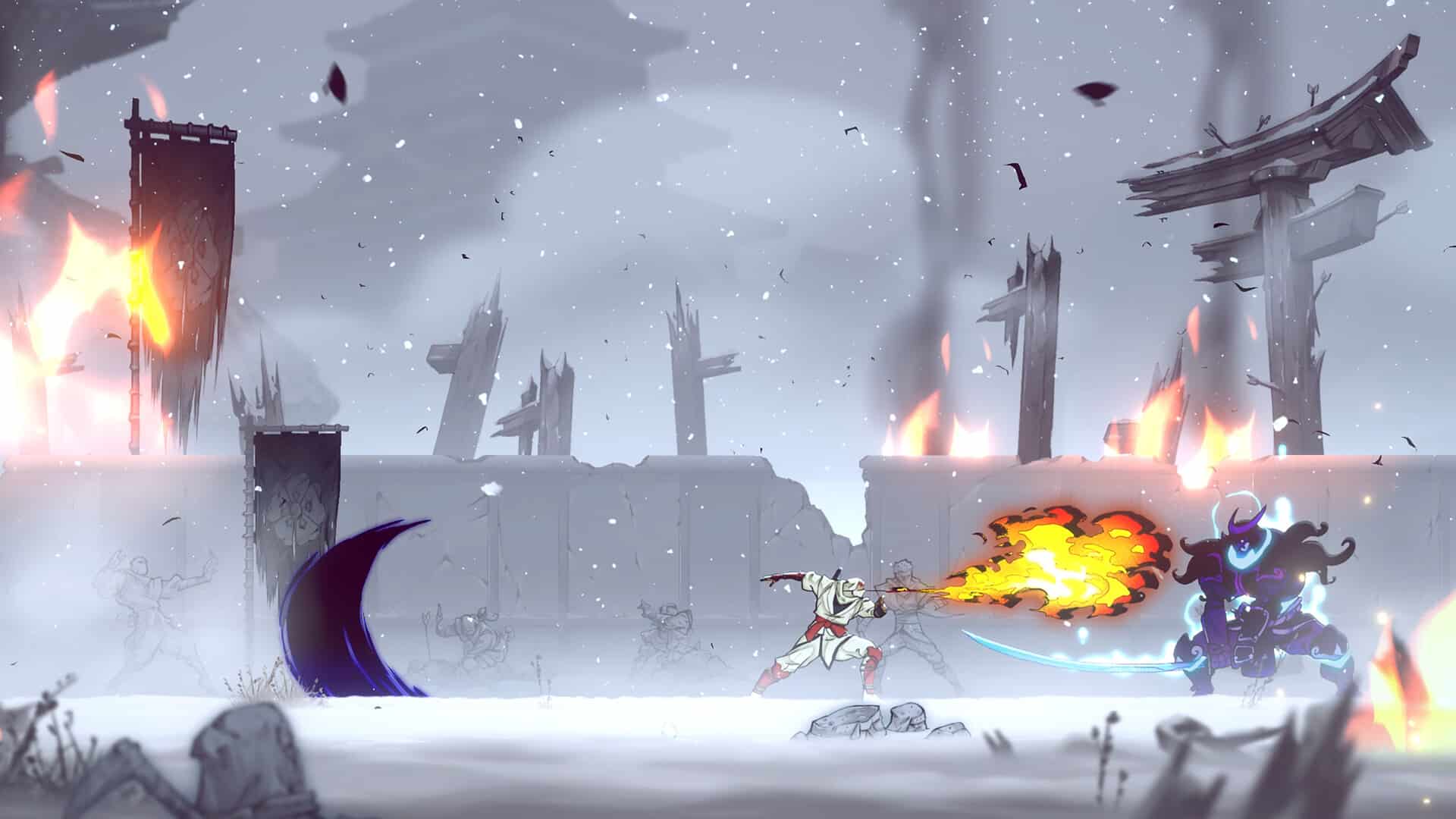
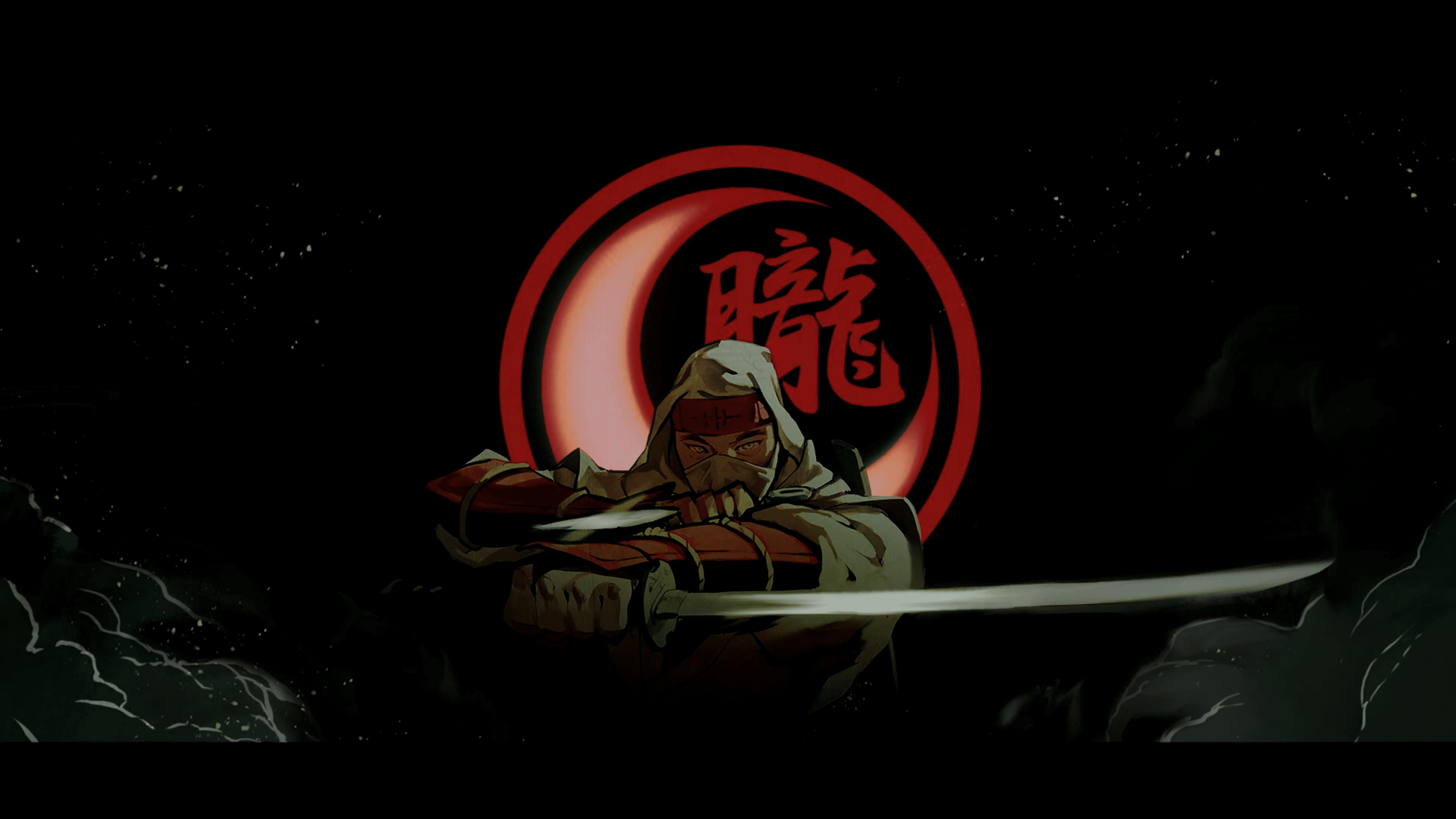
Every character in the game, including bosses, and their mini-variants, including bosses, and their mini-variants, has been meticulously crafted with stunning hand-drawn art and fluid animation. The visual style is a clear homage to classic arcade and 16-bit era pixel art, but with a modern, high-definition polish. The environments are equally breathtaking, ranging from the decimated ruins of Oboro village to futuristic military bases and scorching deserts. Each level is not only a feast for the eyes but also intricately designed, offering multiple paths, hidden secrets, and challenging platforming sections that reward exploration.
I’m a massive fan of the hand-drawn 2D art direction that Shinobi: Art of Vengeance has. Not because it looks gorgeous, but more so, how Lizardcube managed to capture that 90s-era of anime drawing with the game. This aesthetic is a deliberate homage to the grittier, more expressive animation of the late ’80s and early ’90s. Think of classics like Akira, Ninja Scroll, or even American cartoons like Batman: The Animated Series. These shows weren’t afraid to use thick, sometimes imperfect lines, giving the art a raw, handmade feel.
I’m one of those guys who prefer the way things were done in the past, but that’s not to say we haven’t gotten some excellent modern animations that are high up there on the list. It’s just that many anime today are budget and time-restricted, often forced to cut back on the work, which results in some questionable frames—looking at you, Dragon Ball Super.
In Shinobi: Art of Vengeance, this translates into character designs that feel less like clean digital vectors and more like something ripped straight from a cel animation sheet. You can almost feel the texture of the ink and the brush strokes in every frame of animation, and I applaud Lizardcube for taking their sweet time at what was clearly a massive undertaking. The sheer volume of frames needed to create such fluid, hand-drawn animation is immense, and it’s a level of dedication that shines through in the final product.
But looping back to the narrative, I love how it comes together to tell a bigger story. Every character has some form of dialogue to share, and though some bosses you meet for the first time, and then after defeating them, that’s it, they ooze with so much personality that they stay with you even hours later.
The environments themselves go unwasted, with the opening hour using the backgrounds as a means to show the massive scale of invasion that the ENE Corp is pulling off. Tanks, helicopters, jets, squads of enemies, and even a giant kaiju can all be seen moving throughout the background, amongst other things, in the later portions of the game. It all looks stunning and serves the purpose of enhancing the narrative, providing a somewhat cinematic feel to it all.
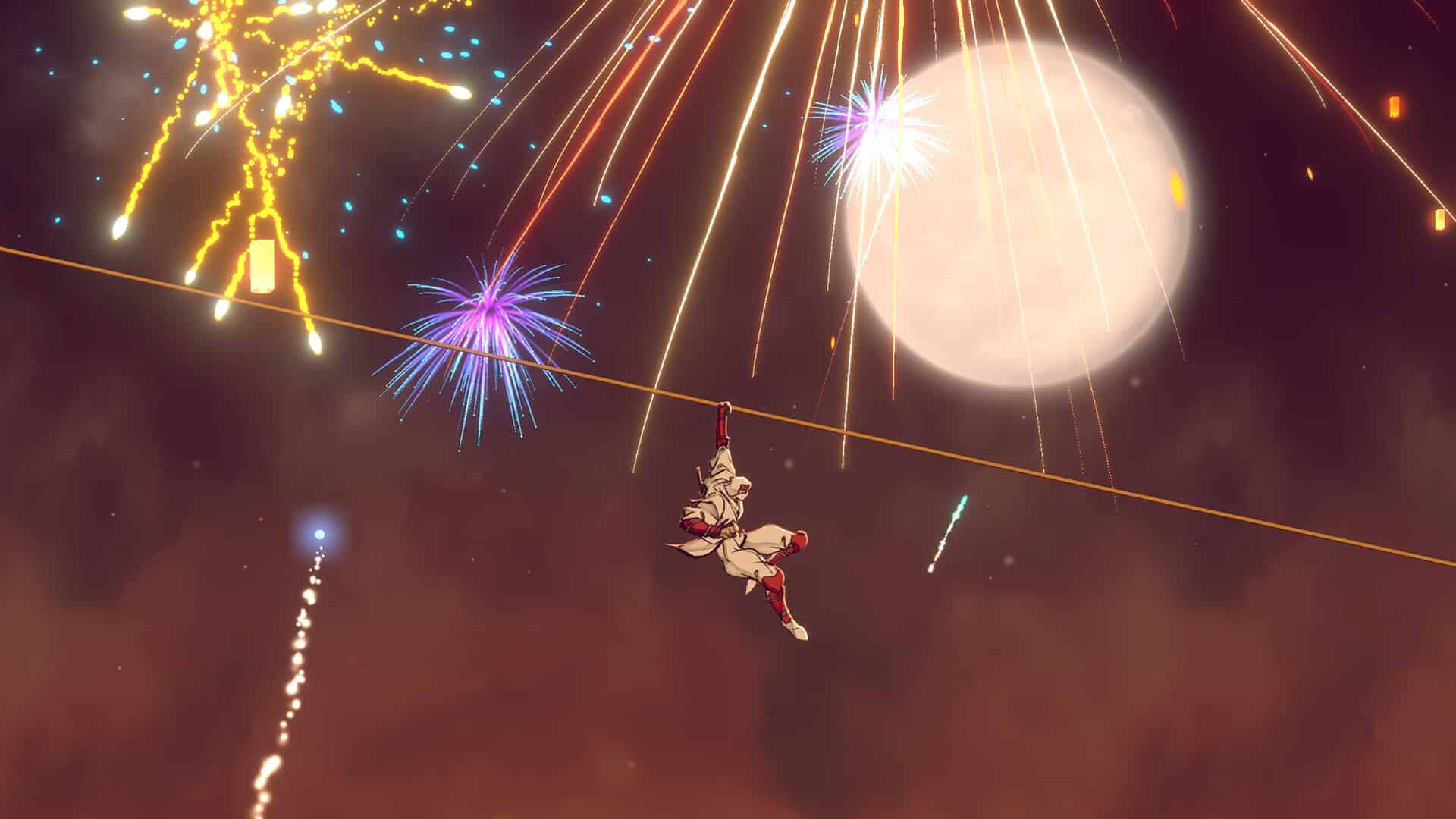
To top it all off, the game even features fully voiced dialogue in both English and Japanese. I played through the English dub on my first go, and then went with the Japanese one on my second (there’s no New Game+, so I had to start a new save slot) playthrough. Both casts give excellent performances, but the Japanese voiceovers make it something even more special.
Although Joe possesses the ability to talk, he has always been more of the silent protagonist type, with a majority of his interactions being chalked up to various forms of grunts. It’s humorous, but also impressive, how you can convey so much out of him with just a mere grunt.
But Joe has never been a man of many words, but a man of purpose, and in Shinobi: Art of Vengeance, his purpose is clear and singular: vengeance.
Devil May Shinobi
Traditionally speaking, the classic Shinobi games have always put a bigger focus on platforming and making use of your near-unlimited shuriken for combat. Yes, you could slash away at enemies with your blade, but getting up close and personal always came with a greater risk. Shinobi 3: Return of the Ninja Master refined many gameplay aspects, introducing things like double jumping and wallrunning, as well as expanded sword play, which could all be chained together. With controls that felt near “perfect,” there’s a reason why fans hold Shinobi 3 in such high regard and consider it to be the best in the series.
That might actually change with Shinobi: Art of Vengeance, as the game seemingly builds off the very things fans loved about Shinobi 3, but does so by deepening its combat into a full-fledged hack and slash.
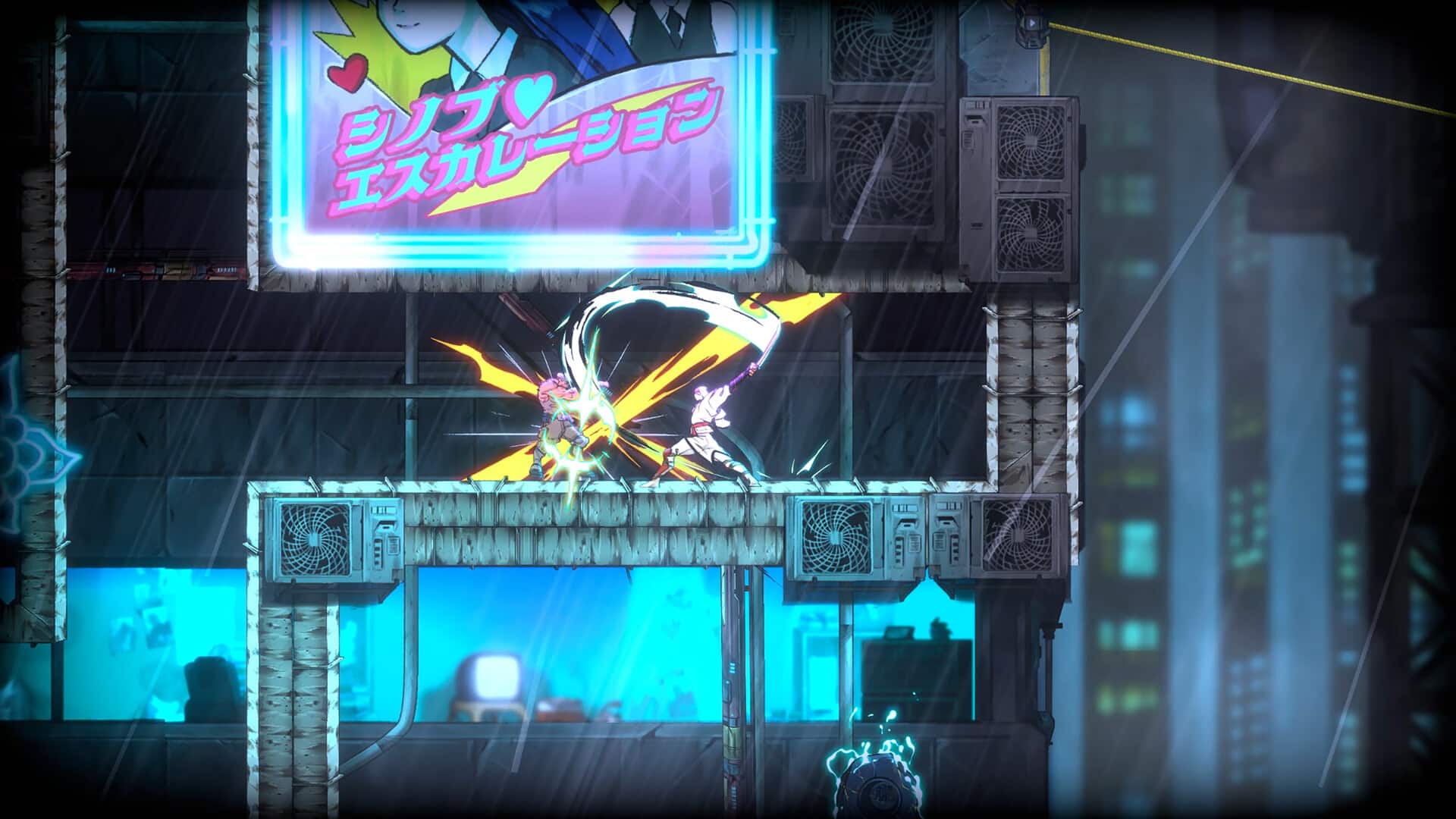
Platforming is still a big focus here, with each stage having you climb, jump, and dodge all kinds of environmental hazards, and hidden routes and secrets locked behind skilled platforming. But the combat itself is no longer about keeping your distance from an enemy, but instead getting up to their face so you can perform all types of stylistic combos and executions. It’s not so much a remake/reimagining of the original combat in the classic games, but rather a full-blown evolution of it, no longer limited by the tech of the time, where studios had to work around to make it run and work on the hardware.
But the spirit of Shinobi remains, as Joe Musashi retains all of his acrobatic abilities. The flow of a level often involves seamless transitions between nimble platforming and frenetic combat. You might wall-run up a building, double-jump across a chasm, and then, upon landing, instantly unleash a devastating combo on a group of enemies. This blend of traversal and combat is where the game truly shines, making you feel like a master ninja in every sense of the word.
The combat has been expanded, with a combo system akin to that of a 2D fighter, such as Street Fighter, or more closely, a hack-and-slash game like Devil May Cry. I’d say this feels like Devil May Cry built as a 2D side-scroller, but both fighting and hack-and-slash fans will feel right at home with how deep the combo system can get. The number of combos that you can unlock and pull off, especially with the dodge mechanic, which you can slash through in all kinds of creative ways. It’s so action-packed, with a great deal of skill level to master behind it, yet it’s so easy for anyone to pick up and feel like they’re a ninja master.
It’s not just about slashing at enemies and throwing shurikens at them either. Joe has access to other abilities, such as his Shinobi Execution, which, when an enemy gets a red icon above their head, can be executed with a single strike, regardless of their health. Get a ton of enemies with this icon, and Joe will fly around the stage, killing them all in seconds.
Ninjutsu is also back, with Ninpo being elemental-based, such as being able to breathe out fire, or more defensively, encasing yourself in water to parry attacks and such. Joe also has access to powerful Ninjitsu attacks that are essentially ultimates. These normally engulf the entire screen with a cool animation and cinematic effect, while a barrage of strikes and other effects attacks the enemy.
There are also equipable amulets that enhance some abilities to make you an even deadlier shinobi.
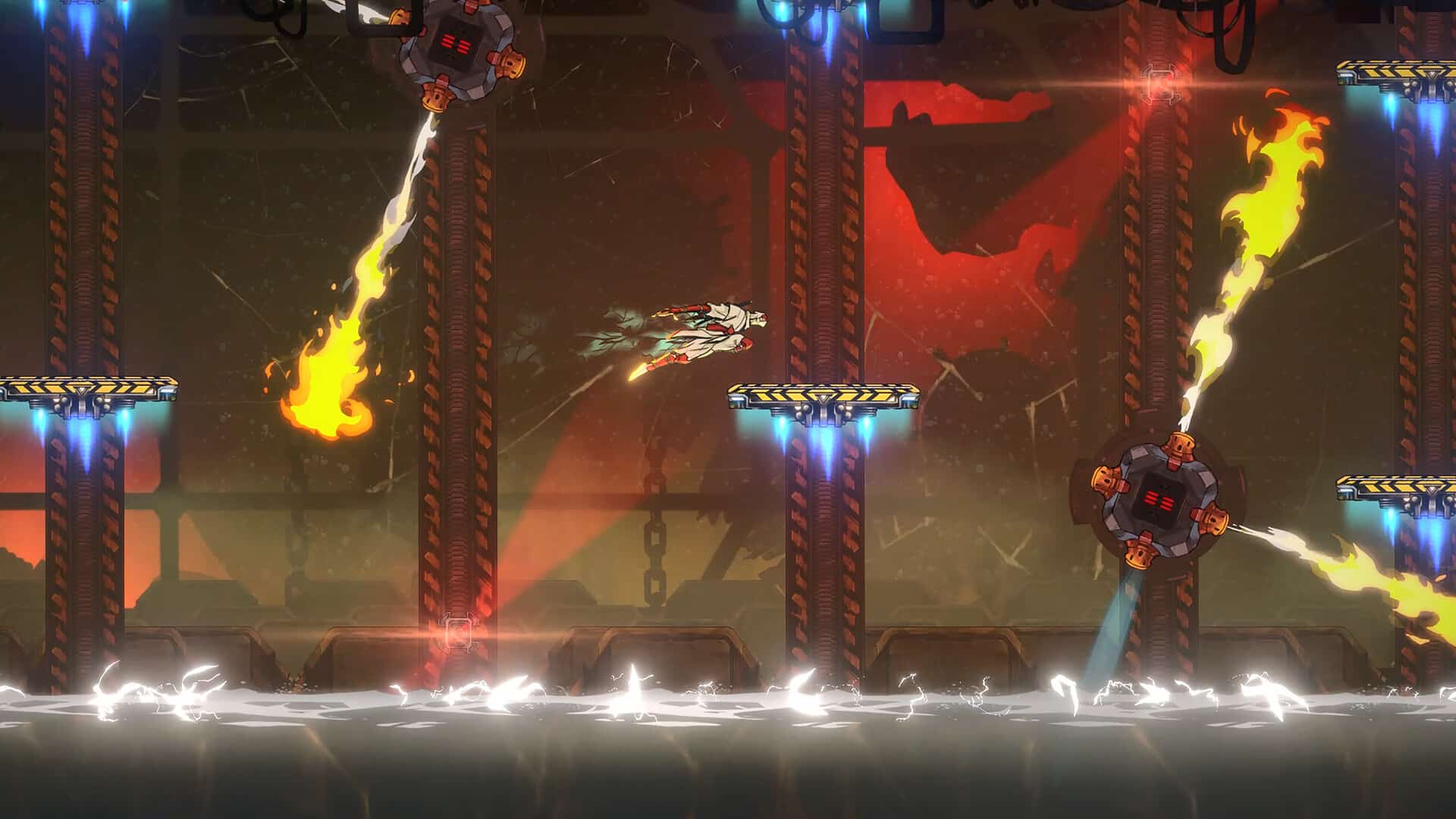
Throughout the campaign, Joe will unlock tools called Ningi tools, which are permanent items that allow you to traverse the stages more. Some of these unlock later in the game, where you have a reason to go back and check out some of the earlier levels now that you can access some of the hidden locations. However, I want to note that, despite the stage design resembling Metroidvania with alternative routes, some of which are inaccessible without items from later in the game, Shinobi: Art of Vegeance is not a Metroidvania.
The game is linear in most cases, and it takes you through stages rather than just being one massive level that you can freely explore. That doesn’t mean it doesn’t borrow elements of a Metroidvania; you just shouldn’t expect it to be a Metroidvania. Not that there is anything wrong with the genre, but it’s important to point that out.
With some unlocks being tied to completing certain side objectives and stories, there’s plenty of reason to stick around to explore and replay a mission again. Unfortunately, though, there’s no New Game+ for those who want to have everything unlocked from the get-go or want a higher level of difficulty. You can adjust the difficulty, which is always nice, but you can’t face off against bosses and relive the story unless you start fresh. There are also accessibility options that allow you to tweak enemies’ damage and health, amongst other things, but you can only make it easier, and not harder. I’m hoping that gets added in a future update, or with the planned SEGA Villains Stage DLC, which is coming in 2026, that will add Dr. Robotnik from the Sonic franchise to the game as a boss. Crazy, I know, but the idea of playing through Green Hill Zone and facing off against Eggman as a Shinobi sounds like it could be pretty fun, and if not, hilarious. I can’t see executions working on Eggman, given the character’s family-friendly ties, but we’ve seen crazier things before.
A Master of the Arts
So much love and attention to detail were put into Shinobi: Art of Vengeance, which, honestly, given Lizardcube did do Street of Rage 4, I shouldn’t be surprised by. But I am, and I’m thoroughly impressed by what the studio has created here. A game that pays homage to its legacy, while evolving it in every meaningful way. It’s a true love letter to the fans, capturing the spirit of the franchise in a new, modern tale that’s both faithful and perfect for newcomers to discover the legend of Joe Musashi.
Hats off to Lizardcube; it takes a special kind of talent to be able to pull off what they did with Shinobi: Art of Vengeance, to keep the essence of the series flowing and make it feel fresh for a new generation. They’ve successfully built a bridge between classic gameplay and modern expectations, proving that a true sequel can be both nostalgic and groundbreaking at the same time.
I have a good feeling this is going to be one of those gems that people look back on fondly in years to come, a true testament to the timeless appeal of great gameplay and stunning art direction. SEGA made the right choice when they picked Lizardcube for Streets of Rage 4, and even a better one, entrusting them with Shinobi: Art of Vengeance. The studio has proven itself to be the master of the modern retro revival, capable of breathing new life into dormant franchises without sacrificing what made them great in the first place.
Score: 9.5/10

Pros:
- Very engaging and fun story to play through.
- Gorgeous, hand-drawn art direction that takes clear inspiration from 90s anime. Fluid animations and so many details.
- Deep and satisfying combat that is easy to get into, but hard to master.
- Memorable characters and world.
- Plenty of reason to go back and play through stages.
- Fully voiced dialogue with both English and Japanese voiceover support.
Cons:
- No New Game+.
- Accessibility options to make the game easier (which is fine), but there are no options to make the game harder.
- I had my save wiped twice, so buyer beware (on PlayStation at least), make sure you are backing up your save. It’ll be fixed if it’s a big issue, which is one of those cons that won’t stay as one forever.
Shinobi: Art of Vengeance review code was provided by the publisher. You can read MP1st’s review and scoring policy right here.
This website contains affiliate links. If you click a link and make a purchase, we may earn a commission at no additional cost to you. This helps support our work. Learn more on our affiliate page.