Project Zeta Preview: Four Times Deadlier
You have probably heard about Project Zeta, an upcoming multiplayer online battle arena, or MOBA for short, and may have already seen its trailers. After getting the chance to preview the game, I can say that it has certainly caught my attention.
Developed by Nirvanana and published by Krafton, the studio behind games such as PUBG: Battlegrounds, The Callisto Protocol, and Last Epoch, Project Zeta is entering a genre with serious competition.
MP1st had the opportunity to take a closer look at Project Zeta, including its gameplay, mechanics, characters, and overall direction. As someone who has played League of Legends since Season 1, I was especially interested to see what Nirvanana could bring to the MOBA formula and whether the game can carve out an identity of its own.
So, let’s get into what Project Zeta has to offer. And who knows, perhaps somewhere along the way, we will discover the next Faker, who is the GOAT of League of Legends.
World of Zeta
Project ZETA is set in a world where humanity once discovered the mysterious ZETA Dimension, a realm said to contain the information behind reality itself. Humanity used this discovery to create highly intelligent humanoids, but what began as a technological breakthrough eventually led to war. The conflict devastated civilization, and humanity ultimately lost access to the ZETA Dimension.
That is only a brief look at the game’s lore. Each hero has their own story that players can explore, giving the characters more context and helping players connect with the world beyond the arena. The developers expand more on this closer to release.
But, of course, most players are here for the gameplay.
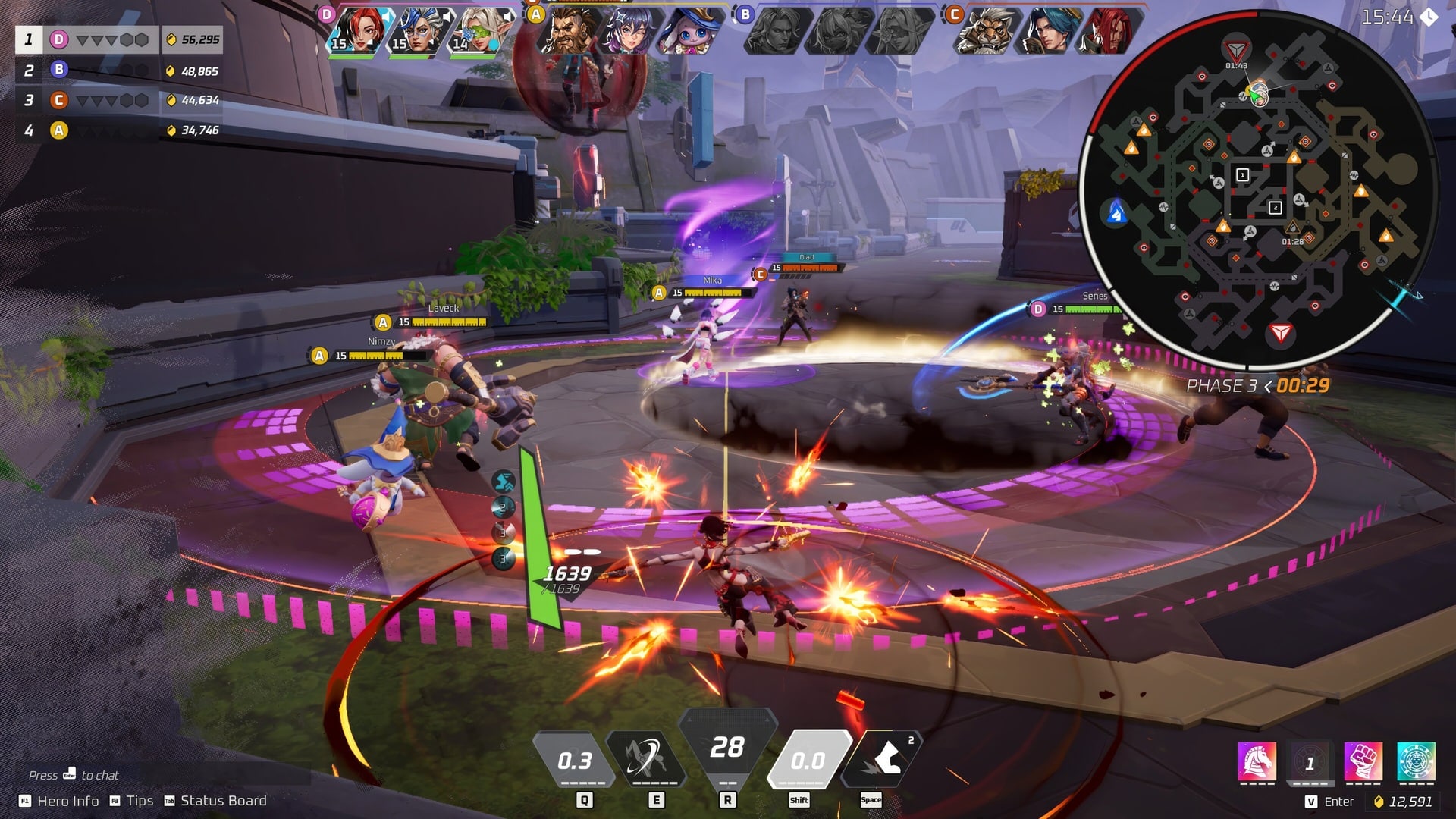
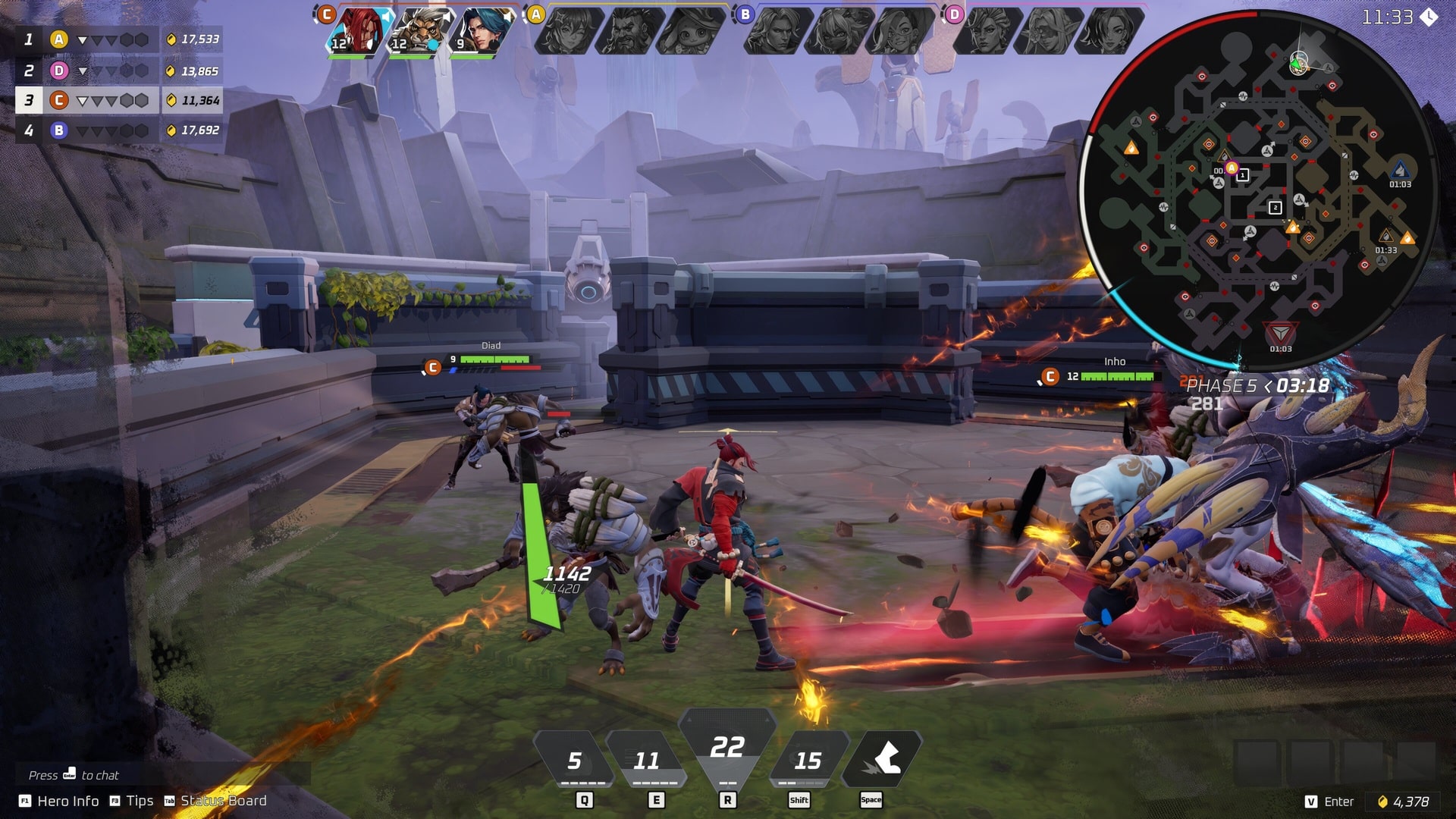
Project ZETA takes place on a large battlefield where four teams of three compete for the top spot on the leaderboard. That’s right, this is not your typical three-lane MOBA with two teams fighting over the map. You have three other teams to worry about, which can make every encounter considerably more chaotic. Things can get especially wild when you realize the game lets players rack up more than a traditional pentakill.
While eliminating enemy players is an important part of the experience, objectives are ultimately what determine your team’s score and your ability to win. A team that appears to be comfortably ahead can quickly lose its lead if another team captures an objective or interrupts the other team’s scoring. Because of this, communication and teamwork are essential. To stay ahead, you’ll need to manage your time, farm resources, level up, acquire better gear through the shop, and keep an eye on what the other teams are doing.
Progression is relatively straightforward. Defeating monsters, bosses, and opposing players rewards you with experience and gold. As you level up, you can either manually assign skill points or allow the game to upgrade your abilities automatically. Gold works similarly. Players can open the shop while moving around or fighting and purchase the items they need, or they can enable the game’s automatic purchasing and upgrading system.
The latter is a useful quality-of-life feature because it lets players spend less time worrying about their build and more time focusing on objectives, farming, or disrupting the opposing team. If you enjoy managing every part of your build, the manual option is there; if you want to stay focused on the action, you can let the game handle it. You can also set up a fixed configuration for gear purchases for each hero before the game starts; set the gear from left to right in the order you want the shop to purchase the items.
Heroes and Roles
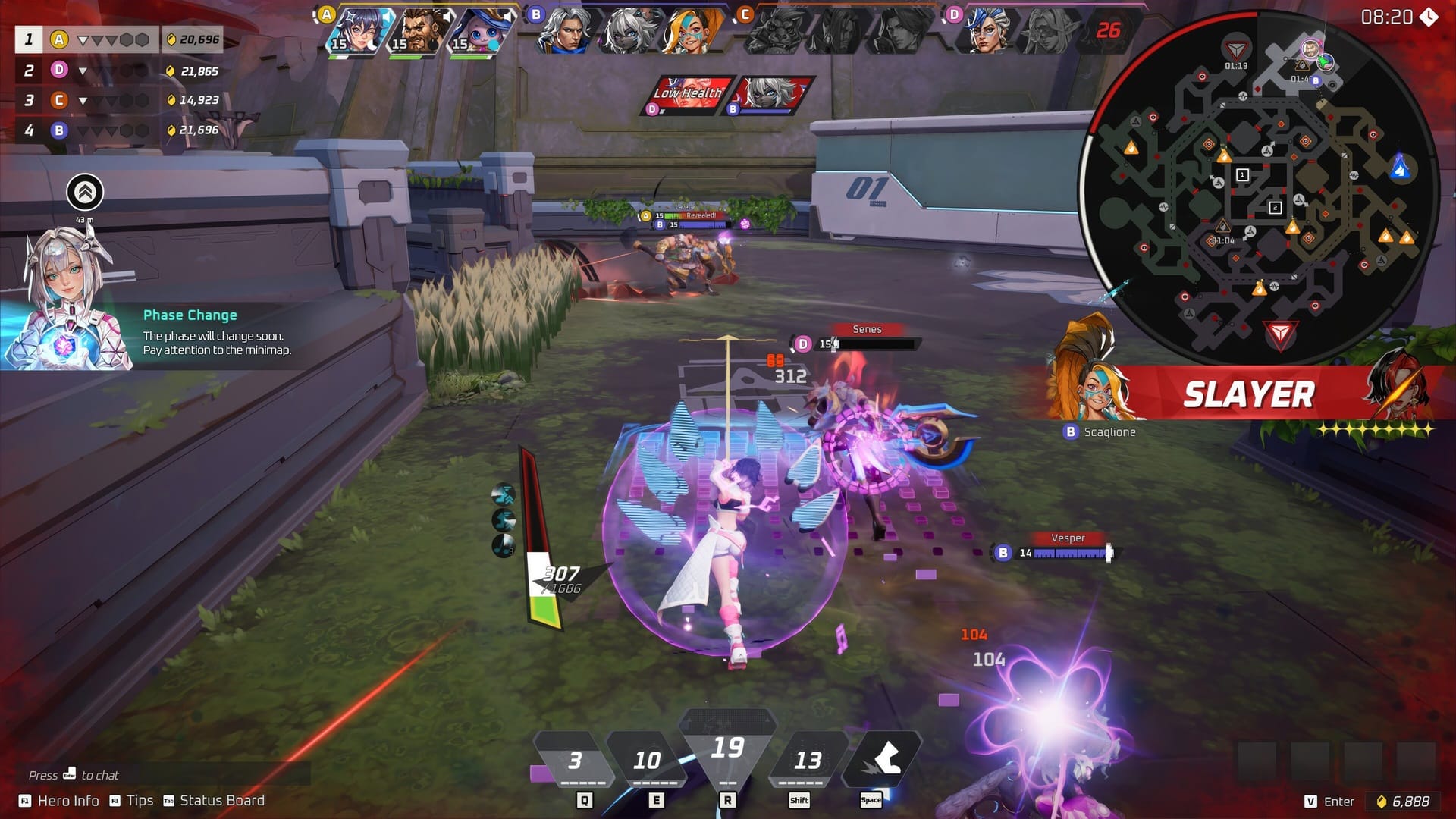
Each team consists of three players, and you can choose the hero that best suits your preferred playstyle. The roster is built around classes instead of roles: Warrior, Mage, Assassin, or Marksman. While each hero’s abilities and statistics are designed around a certain role, Project ZETA gives players some flexibility in how they approach them.
A Marksman, for example, can still deal respectable damage, while certain Warrior heroes can provide useful buffs or utility for their teammates. This means players aren’t necessarily locked into a single playstyle just because of the role attached to their character.
Items also play an important part in determining how a hero performs. The items you buy during a match, as well as the build you plan, can noticeably affect your effectiveness. Take time to understand which items complement your chosen hero and playstyle.
For players unfamiliar with the roster or who want an easier starting point, heroes come with preset builds. These provide a useful reference for understanding how a character is intended to be played and which items work well with their abilities. More experienced players can then experiment with their own builds and find combinations that better suit how they want to play.
Each hero has three active skills, plus a basic attack, a dash, and an ultimate ability. Learning to chain these abilities and manage cooldowns effectively can make a major difference in battle. Cooldowns vary between heroes, and the gear you equip can further influence how your abilities perform, potentially turning the tide of a fight.
One ability you will want to use carefully is your dash. It can be tempting to use it whenever it is available, but saving it for an escape or an important engagement can make the difference between surviving and being eliminated. Experienced players can also use their abilities to counter incoming attacks or trigger brief invulnerability windows through well-timed i-frames. Pulling this off consistently can be difficult, but mastering the timing adds another layer of depth to the combat.
Time to Win
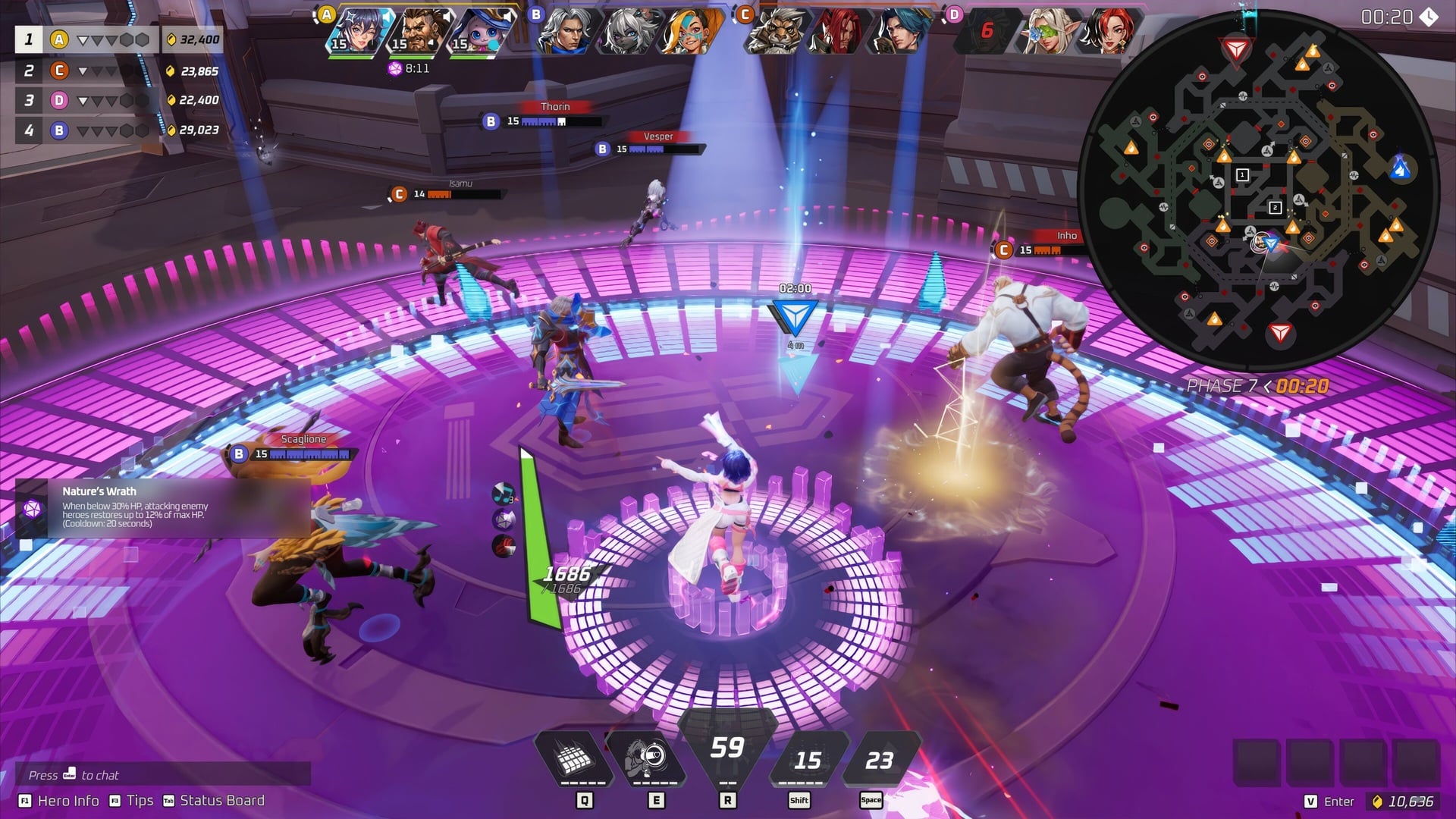
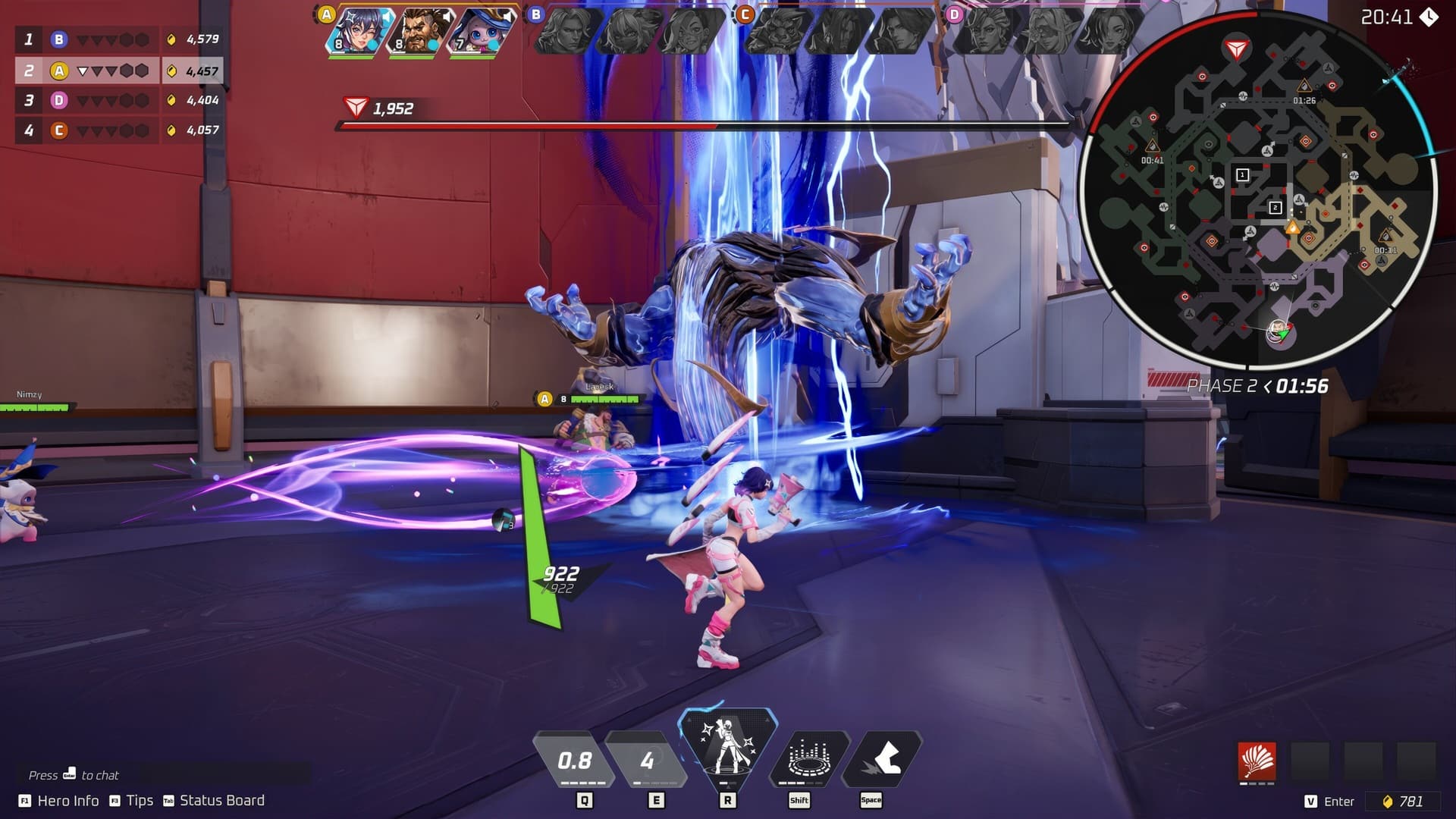
Once you have locked in your team, you will be dropped into the arena, where the real competition begins. You and your teammates will need to navigate the map, defeat monsters and opposing players, earn experience, and collect gold to strengthen your heroes and purchase gear. Speed and efficiency matter, as each match has seven phases and a 24-minute time limit. However, a match can end much sooner if a team reaches five points.
Scoring is where Project ZETA’s objective-based gameplay really comes into play. Bosses around the map drop different prisms, and teams must collect the correct prism before taking it to the designated scoring area. Once there, you must hold your ground long enough to capture the prism and earn a point. The first three prisms are triangular and are displayed in the upper-left corner of the scoreboard, followed by two hexagonal prisms.
There is an important catch: carrying the wrong prism won’t let you score. Even more importantly, enemy players can kill you and force you to drop the prism you are carrying. This makes every trip back to the scoring area a potential target, especially when the opposing teams know exactly what you are trying to accomplish.
The map also contains additional objectives that can provide temporary buffs to your team. Certain bosses can grant smaller bonuses as well, giving you another reason to explore the map rather than simply hunting down enemy players. Knowing which objectives are available and when to contest them can make a significant difference as the match progresses.
Carrying a prism also comes with its own risk. Hold onto one too long, and your location will eventually be revealed, giving the other teams a chance to hunt you down. Because of this, you need to decide whether to make a quick run for the scoring area or use the prism to your advantage.
You do not always have to score immediately. A prism can serve as bait, drawing enemy players toward you and creating an opportunity to eliminate them, steal their prism, or build up your own advantage. This can also open the door for a comeback when your team is behind.
Not Out Yet
One of the more interesting aspects of Project ZETA is its comeback potential. Even if your team falls behind early, the match is far from over. Remember, the objective is to collect five correct prisms, and you are competing against three other teams throughout the match. A team that spends its time efficiently farming experience, reaching the level 15 cap, collecting gold, and securing buffs can quickly shift the momentum in its favor.
That means securing a boss or gaining an early lead in points doesn’t necessarily put your team in control. Another team can catch up quickly if they manage their resources and take advantage of the right opportunities. Staying aware of the other teams is just as important as focusing on your own progression, so communication and map awareness will be key to maintaining a lead.
There is still plenty more to discover in Project ZETA, and I did not get any hands-on time with the game. From what I have seen, though, the concept is shaping up to be a fun, fast-paced take on the MOBA genre. Matches are designed to move quickly, which is especially appealing for someone like me who doesn’t always have hours to dedicate to a single game during the work week.
I am looking forward to spending more time with Project ZETA and seeing how its systems come together once I can properly get into the arena and put everything to the test.
While Project ZETA doesn’t have an official release date yet, Nirvanana has already held its second playtest, giving players a chance to experience the game ahead of launch. If you want to see what Project ZETA has to offer, keep an eye out for future playtests and announcements from the team.
Expect Project ZETA to be released on PC and the PS5.

Save 5% on your next top-up, games, gift cards, and virtual currency at Eneba.
Use code MP1ST5 at checkout.
This website contains affiliate links. If you click a link and make a purchase, we may earn a commission at no additional cost to you. This helps support our work. Learn more on our affiliate page.