

Halo Under Activision’s Banner Might Just be What the Franchise Needs
Earlier this week, Microsoft’s Xbox division announced that Activision, not Halo Studios, will develop the next Halo game.
After the initial shock wore off, it got us thinking this might not be a bad thing. Sure, Activision is primarily known for Call of Duty when it comes to first-person shooters, but one can’t deny their expertise in the field.
With that in mind, we at MP1st considered the good and bad of having Activision helm the Halo franchise moving forward.
Finding the Target
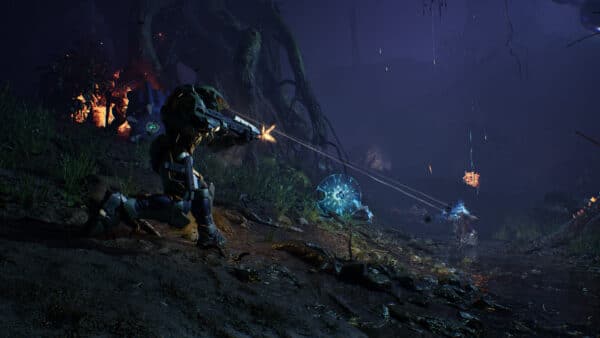
While we’ve had futuristic-themed entries in the Call of Duty franchise, their impact has been undeniably smaller than that of the more modern/present take in the franchise. Developing Halo would give Activision an “in” for future or even space warfare. Of course, this assumes it’ll be one of the Call of Duty Studios developing the title, though we wouldn’t be surprised if that ended up being the case, or if a new team spun off with developers from each studio.
The point stands, though: Activision is in charge of this next Halo game, and it’s clear they have teams of developers itching to tell some sort of future space game. Call of Duty fans have wanted that franchise to stay as boots on the ground as possible, which, in many ways, giving Halo to a team that wants a future-setting game ends up benefiting Call of Duty too. Let’s just hope that doesn’t give Activision an excuse to turn Halo into a COD clone, because outside of both being first-person shooters, they play nothing alike.
Now we’ve seen all the comments and opinions saying this will “kill” the Halo franchise, but come on, look at where the franchise is right now. The switch from Halo Studios (formerly 343 Industries) would be a good thing here, given that Halo’s home studio has struggled to get the franchise back on track for about a decade. Halo Infinite, while not an outright bust, wasn’t exactly a grand slam. Nor was Halo Campaign Evolve, the remake of the first Halo game. It looked pretty and played to a lot of nostalgia, but it didn’t move the needle for the franchise like many were hoping, especially with the lack of competitive multiplayer.
Passing it off to a new developer might give the franchise new life and, in turn, invigorate the brand.
At the very least, Activision taking over means we will get a fresh creative direction for the Halo franchise. After Halo Studio’s playing it safe or stumbling through identity crises, handing the keys to seasoned shooter veterans could inject an aggressive, much-needed sense of momentum back into the sandbox.
Finally, when it comes to the live-service component (we all know it’s happening, right?!), one can’t deny that Activision has it down pat. Regardless of how you might feel about Call of Duty, these studios know how to make a successful multiplayer game with a proven live-service infrastructure. Activision knows how to maintain steady seasonal content drops, battle passes, and player engagement loops to keep a multiplayer community alive and populated year-round. Look, I hate microtransactions, but they clearly work, and post-launch support for every Call of Duty just keeps getting bigger each year.

We all know how influential Halo was to the competitive multiplayer market when it burst onto the scene decades ago. I’d argue it defined competitive shooters on consoles. I still remember all the LAN parties, with all our friends bringing over their Xboxes just to play Halo all night against each other. Of course, online gaming has all but eliminated those kinds of meetups outside of tournaments, but that’s just how big Halo was back then. It was the system seller for Xbox, but as the years went by and iterations passed, it’s been clear that Halo has never managed to recapture that magic.
I’m not saying I like the idea of Activision turning Halo into another Call of Duty, but given the series’ drop-off since Bungie left it, it does seem like if anyone can turn things around, it’s Activision and its group of studios. At the same time, there are definitely concerns about Activision making the next Halo game.
Why Activision Might Miss the Mark
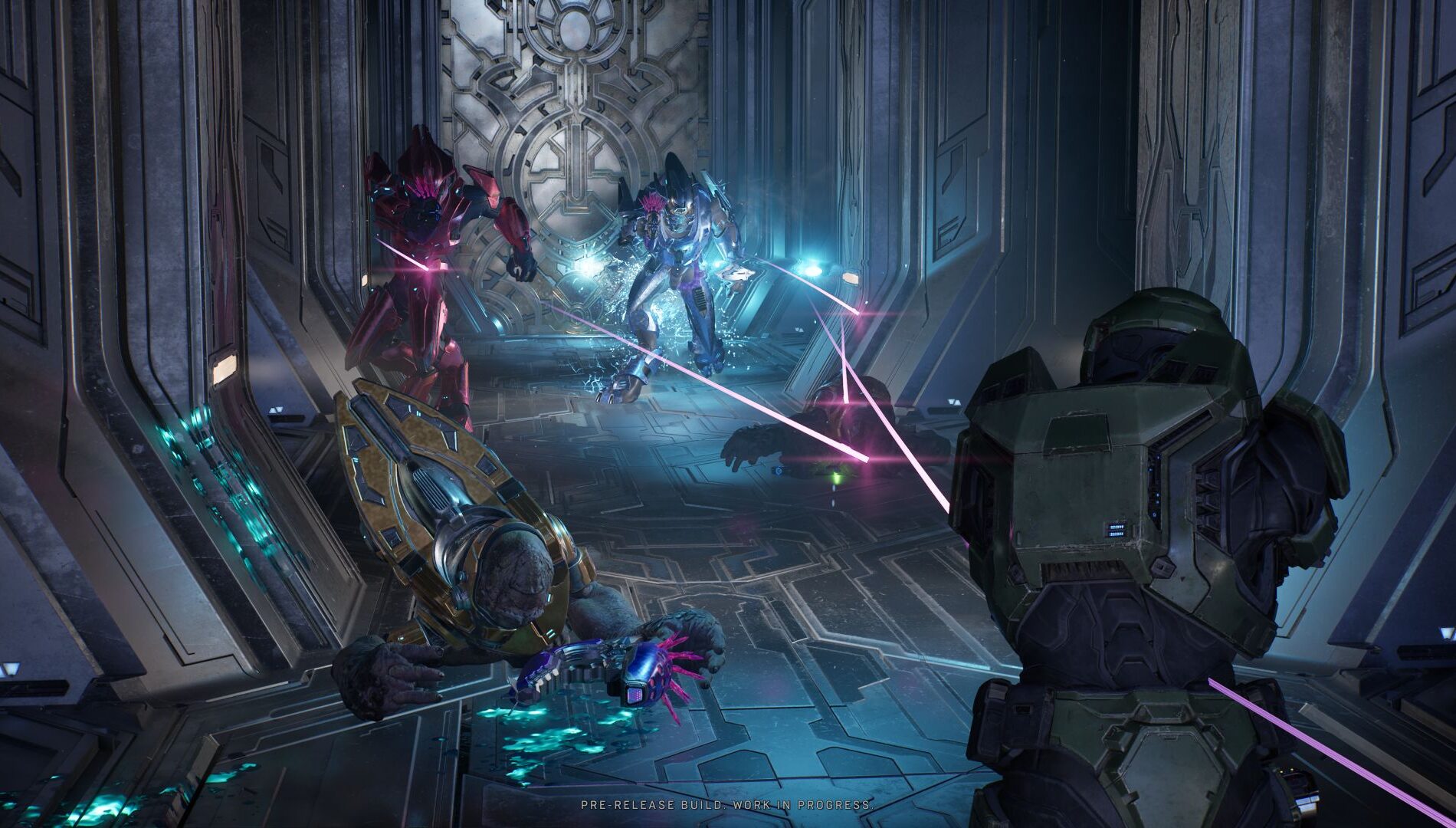
First off, what if Activision Call of Duty-izes the franchise? By this, I mean turning it into an annual release. Surely this isn’t something the Halo fan base wants, right? On paper, this seems like a good way to keep the Halo brand in gamers’ minds, but it also means shorter development time, which could lead to a lot of reused ideas. Halo fans already feel burnt out by the lackluster releases; do we really need to feel that more by annualizing it?
Let’s also be real here. Call of Duty. Campaign. The last few games haven’t exactly been great in the campaign department, which, in all fairness, Call of Duty has become a franchise mainly played for its multiplayer. That’s not Halo, at least not entirely, as the franchise has built a massive, deeply invested community that cherishes its rich lore, memorable characters, and epic narrative campaigns as much as its competitive multiplayer roots. Most people play it for the campaign but stay for the multiplayer.
The fear of Activision taking over is that it could also lead to a weaker, shorter campaign. While the Call of Duty franchise does feature a campaign, the primary draw of each yearly iteration is undoubtedly the multiplayer, with the campaigns getting shorter and shorter every year. They’re what, 3-4 hours on average? This isn’t the case with the Halo series, which is all about story and world-building, though it’s hard to ignore how influential the multiplayer has been, especially in Halo 2. But the campaigns have generally been 8-12 hours long, which is comparable to many single-player-focused games out there.

The Halo franchise has always tried to balance its online and solo experience, rather than treating one as an afterthought. That doesn’t mean they’ve always been great, but they’ve at least put effort into both.
The big fear is this potentially being a big reset for the franchise, which means legacy features that made it so great might end up going away, or the DNA of Halo might no longer feel like Halo. We don’t need Activision to make this a reskin of Call of Duty. No, Halo needs to be Halo. It doesn’t need to chase any trends either, so whoever keeps shouting that Halo can only survive if they add a Battle Royale, just stop already.
I’m all for trying new things out, but first and foremost, Halo needs to be Halo. It’s a series unlike anything else out there; it just sadly lost its way.
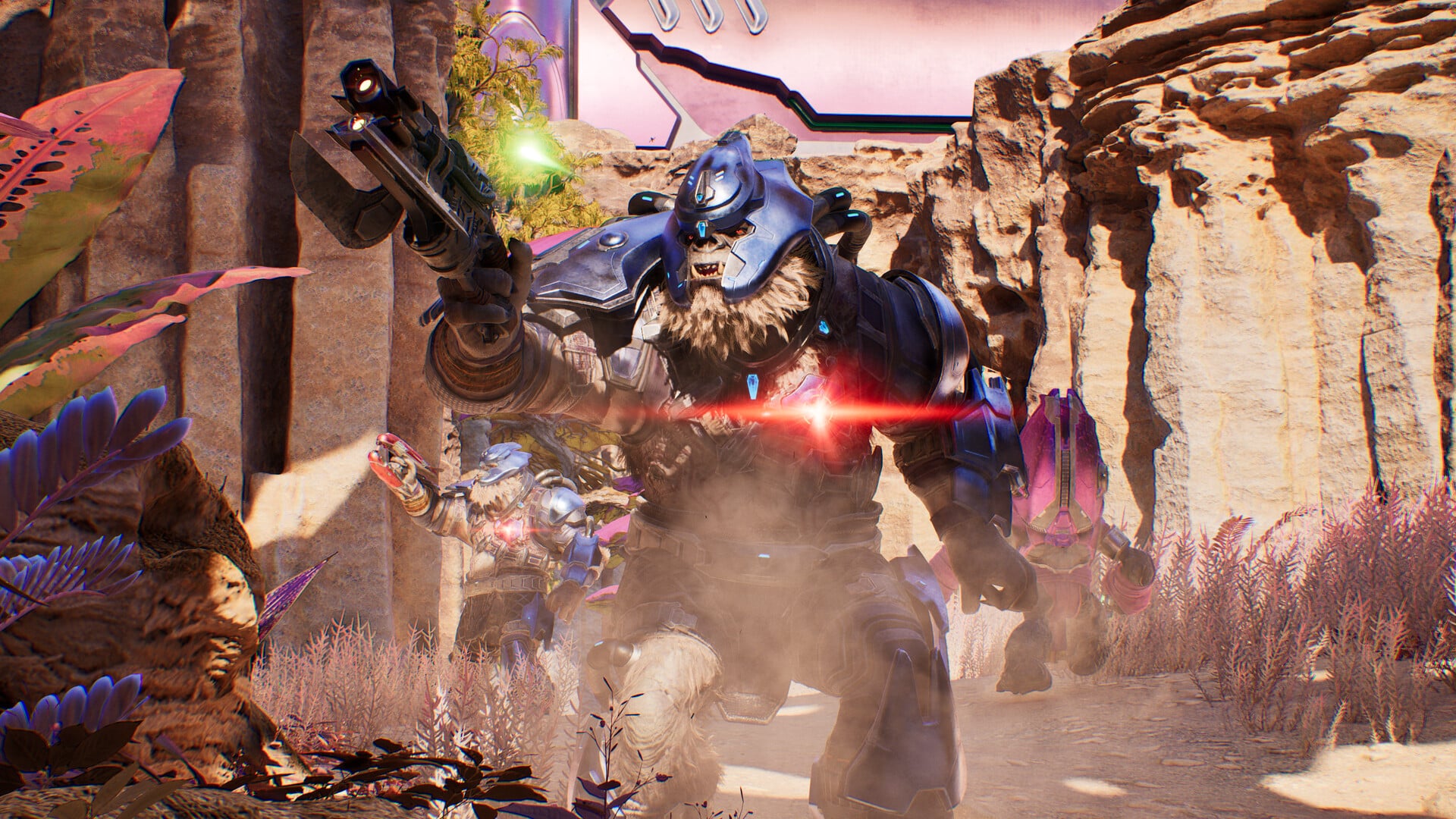
And that really is the crux of it. If handing the keys over to a powerhouse like Activision means reviving this space giant, the trade-off can’t be stripping away everything that made the Master Chief’s universe special in the first place. Fans don’t want a generic military shooter wearing a Spartan helmet; they want the grand scale, the rich sci-fi lore, and the distinct sandbox identity preserved. Whoever is steering the ship next needs to understand that innovation doesn’t mean imitation, and saving Halo requires leaning into its unique strengths rather than erasing them.
I think there’s a lot to be excited about in an Activision-developed Halo, but there’s also plenty to worry about. Whatever comes of it, I know I’ll be there, and hopefully this ends up being the revitalization fans have wanted for a long time. Either that, or it might just be the final nail in the coffin before it gets lowered six feet under.
This website contains affiliate links. If you click a link and make a purchase, we may earn a commission at no additional cost to you. This helps support our work. Learn more on our affiliate page.




It’s not and you know it’s gonna be complete trash
Honestly yes. Let Raven take it same for Gears. There is no point in XGS existing. They need to close down Halo Studios fully, The Coalition, Arkane Studios, Machine Games, Rare, InXile, and Obsidian. Also give Activision Wolfenstein and finally bring back Vicarious Visions for remakes of all the old Xbox IP Banjo, Conker, Blinx, Phantom Dust, Magatama, Kameo, Jet Force Gemini, Tao Feng, Kakuto Chojin, Fuzion Frenzy, Mech Assault, etc. Plus remakes of Tony Hawk Underground, True Crime, Tenchu, and Prototype finally!