Onimusha: Way of the Sword Review – Reforged for Glory
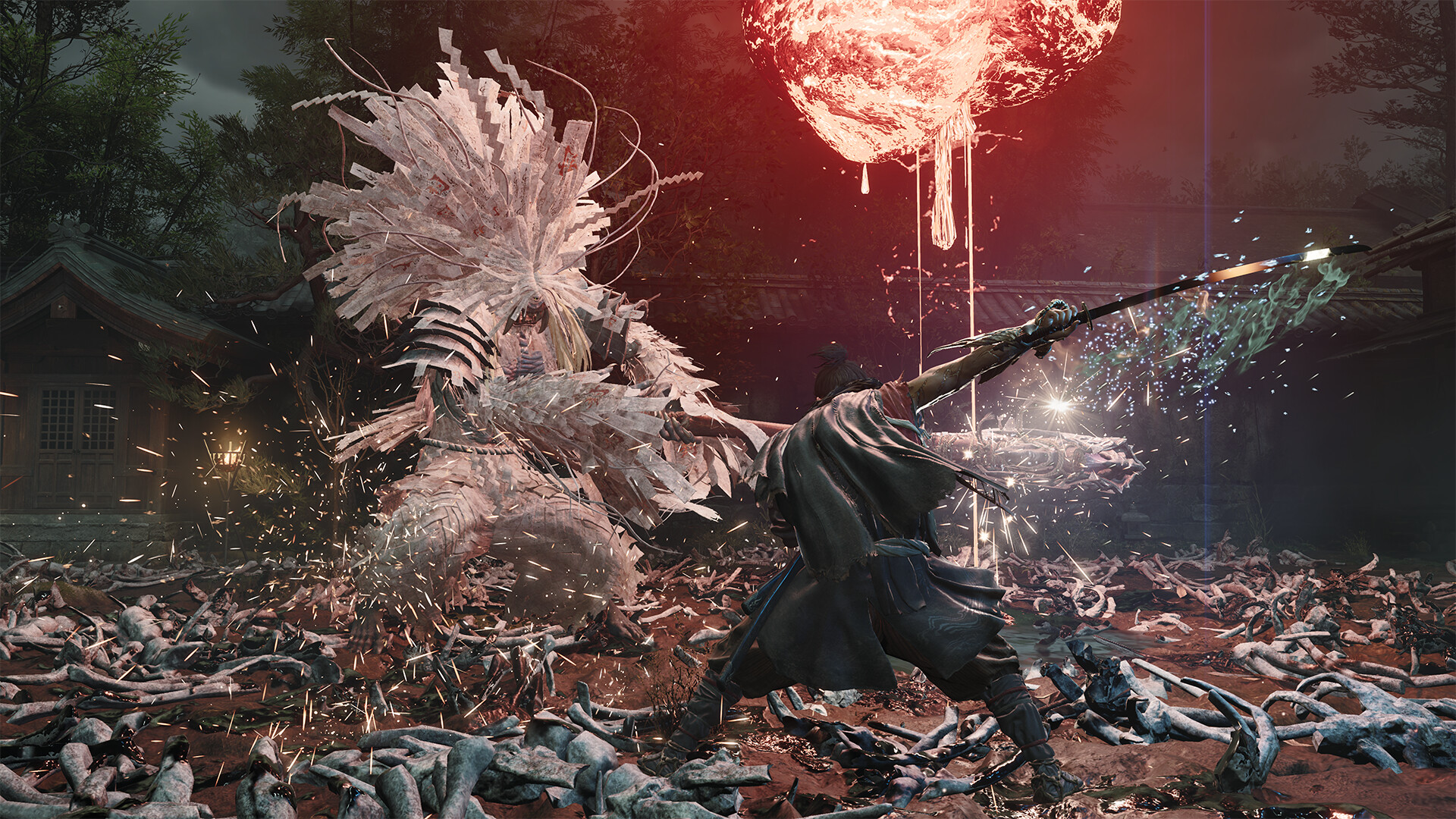
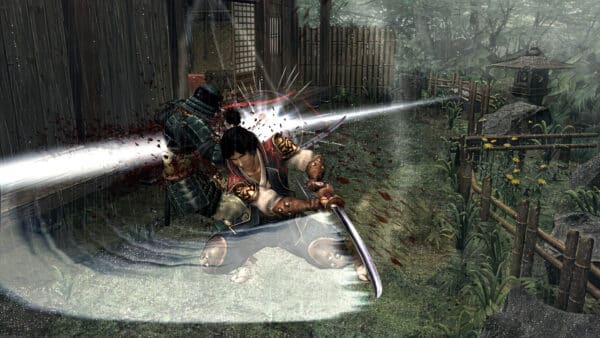
It’s been 20 long years since we last saw a new mainline entry in the Onimusha franchise, leaving one of the PlayStation 2 era’s defining action series relegated to memory. Sure, we’ve had a few spinoffs, and some remasters since then, but none have managed to capture the thrilling, razor-sharp samurai swordplay of past mainline entries. In an era where hits like Ghost of Tsushima, Sekiro, and Nioh have proven there is massive modern appetite for supernatural Sengoku-era combat, the pioneer that laid the groundwork for these games remained absent- that is, up until now- as Capcom has finally shattered two decades of silence to bring the Oni Gauntlet back to life.
But unlike other RE Engine games, with Resident Evil being the main showcase of it, delivering not only new entries in the franchise, but also remakes of the originals, Capcom has instead settled on reviving this franchise, not with a remake, but rather a bold new chapter in the franchise.

In many ways, this is a soft reboot, telling an all-new story set after the previous games, without wiping the slate entirely clean. The result, while not staying entirely true to the Onimusha formula we all remember, is a thrilling, bloody modernization that successfully recaptures the spirit of what made the series so special, while carving out a new identity for itself.
This is Onimusha: Way of the Sword.
Live by the Blade
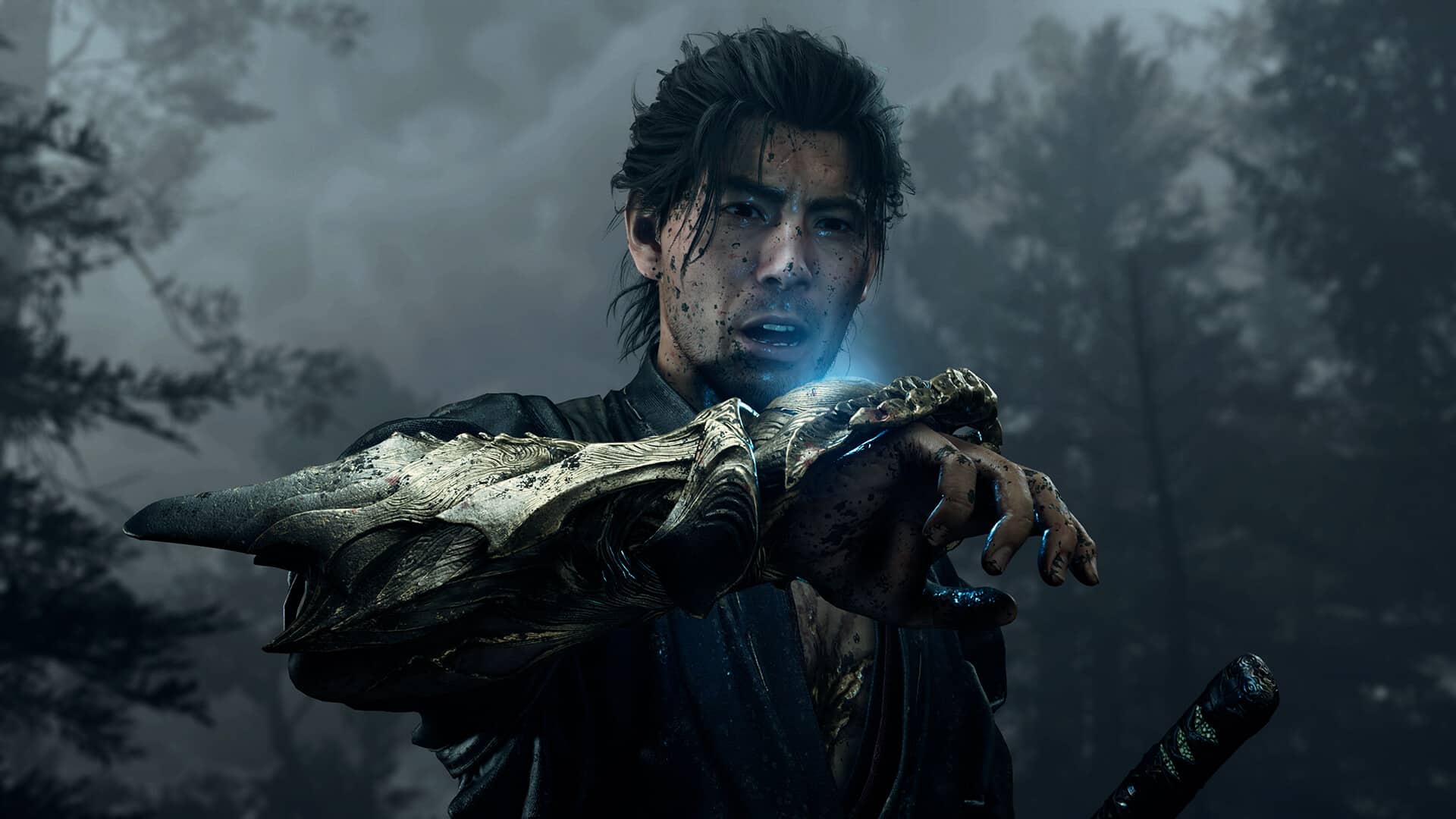
From a story standpoint, Onimusha: Way of the Sword is undoubtedly the most cinematic take on the franchise thus far. While the series has always been heavy on story, Way of the Sword leans into it further, delivering a more focused, character-driven narrative that feels less like a backdrop for the action and more like a full-fledged samurai epic. It’s a fitting tribute to the late Toshiro Mifune (Seven Samurai (1954), Throne of Blood (1957), The Hidden Fortress (1958), and Yojimbo (1961)), whom Capcom honors by using his likeness for the game’s protagonist, the legendary swordsman Miyamoto Musashi.
It’s not all laughs, and don’t take this as Musachi being some sort of Deadpool-like character, cracking jokes at every chance he gets. It’s more so a protagonist who knows how absurd his reality has become and refuses to let the creeping darkness break his spirit.
Capcom leans into his more humorous personality, and I can’t help but chuckle at some of his actions. Not because they’re intended to be funny (which they are), but because Capcom portrays them so well, without forcing them on us for laughs. I don’t think I’ve ever felt for a hero as fast as I have for Musashi in a game, because the opening does such a damn good job of showing what kind of person he really is. So when the emotional needle drops, it ends up hitting far harder than it otherwise might, because we’ve already been given enough time to understand the man behind the sword. His humor makes him feel human, his confidence makes him likable, and his moments of vulnerability give the heavier beats considerably more weight. It’s a surprisingly effective balance, and one of the strongest aspects of Way of the Sword’s storytelling.
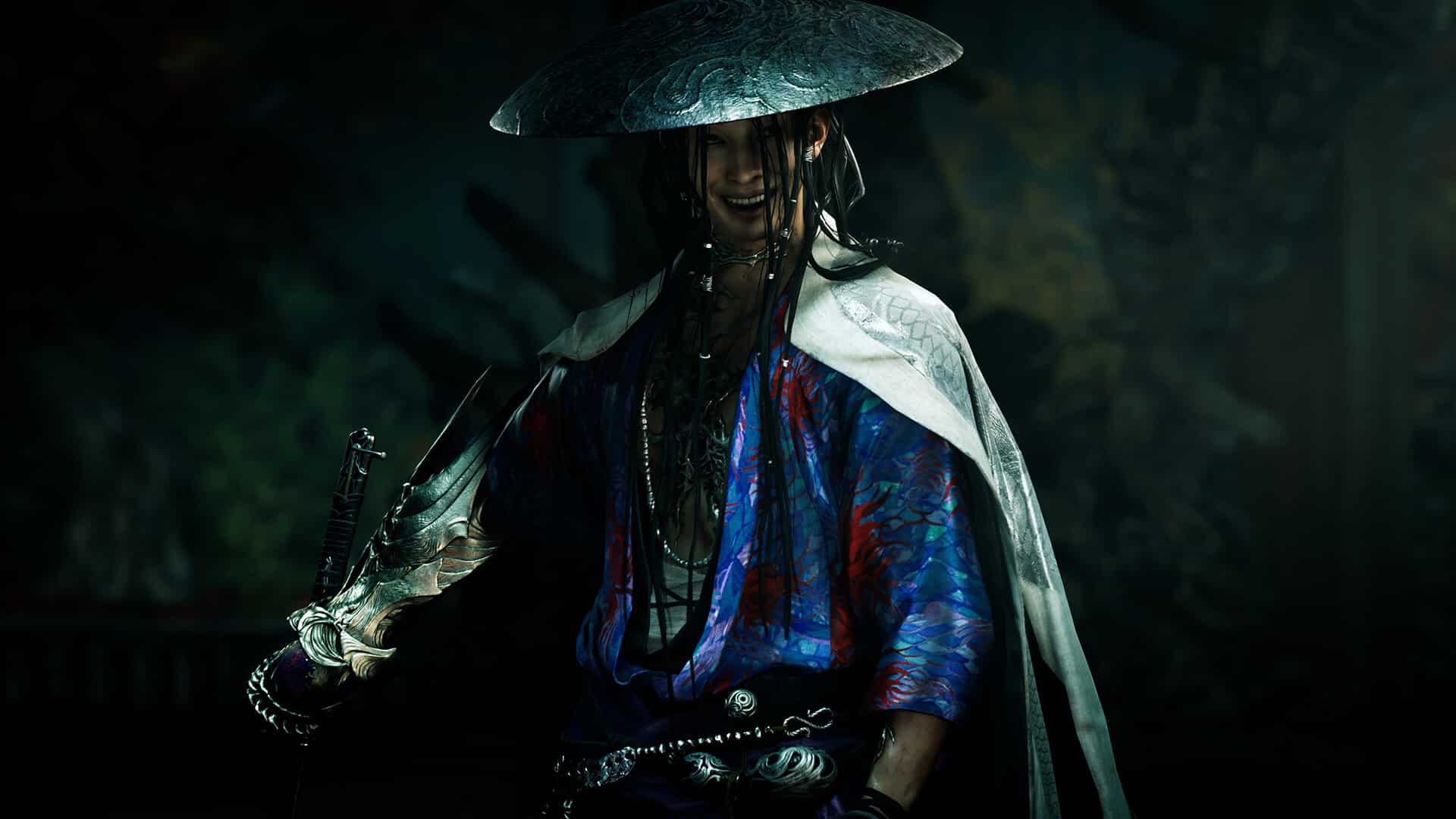
The villains share that same larger-than-life personality that makes Musashi so compelling. In many ways, it’s like watching a real-life actor get lost in the role, and it’s clear they love every minute of it. The writing is easily one of the story’s strongest suits in Way of the Sword, along with the character development, and I love how every villain gets their time to shine on screen. There’s a sense of theatricality to nearly every major confrontation, and I found myself looking forward to seeing what some of these characters would do or say next just as much as I was anticipating the fights themselves. The supporting cast may not leave quite the same impression, but when it comes to Musashi and the game’s antagonists, Capcom has crafted a cast that’s remarkably easy to remember.
CGI cinematography is certainly what I can praise as being “next-level” too. It’s clear that the leads on it did their homework, as these are some of the best-crafted shots I have ever seen in a game. I don’t mean that from a graphical and lighting standpoint, which also deserves praise to the moon. I mean this more in terms of direction and visual storytelling. Way of the Sword understands that a good samurai film doesn’t need to constantly cut between shots or rush from one moment to the next. Like the classic samurai films that clearly inspired it, the camera is often allowed to linger, letting a character’s expression, the environment, or even the tension of a standoff breathe for a few extra seconds.
That patience is something you don’t see nearly as often in modern games, where cinematic sequences can sometimes feel like they’re afraid of giving the audience a moment to simply take in what’s happening. As I said, Way of the Sword is the most cinematic take in the franchise, and that’s not a bad thing considering what Capcom has delivered with it.
The story took me roughly 16 hours to beat, with some side missions thrown in there, and all I can really say is what a ride it felt like. I’m a sucker for any Samurai media out there, so yeah, there’s a bit of bias, but I know a bad thing when I see one, and Way of the Sword is anything but bad. That’s not to say the game is without its faults, but in terms of story, this is a pure ride of sword clashing, blood-soaked battles, demon-slaying, and cinematic heart that never felt like it outstayed its welcome.
One Clean Strike Is All I Need
In all honesty, I wasn’t expecting much from the story here, especially from a long-dormant IP. That did end up surprising me, but the main reason for playing Way of the Sword was no doubt going to be for the action-packed swordplay. Suffice to say, this game does not disappoint in satisfying that craving.
In a lot of ways, it feels like a lighter version of the combat in Devil May Cry, if it were entirely focused on swordplay, with a defensive punch to it. Now it’s not quite as fast as Devil May Cry, but it’s also not in the realm of a Soulsborne title. It leans more on the offense of Devil May Cry, but for defense, it strikes a balance that feels like a hint of Sekiro: Shadows Die Twice mixed with Ghost of Tsushima. More forgiving, mind you, so don’t go in expecting this to be anything like a Soulsborne.
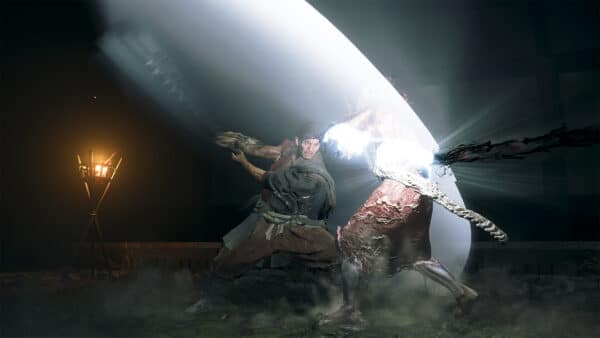
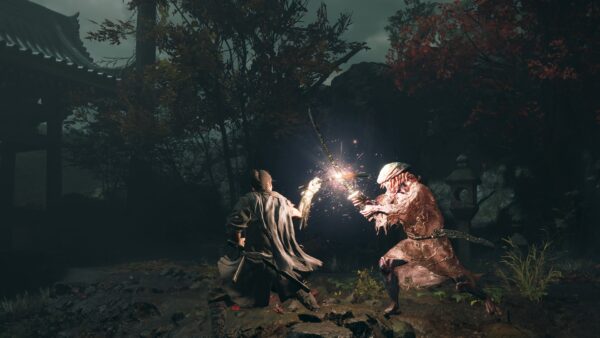
The swordplay is excitingly fast and responsive, and in my full 16 hours of playing, I don’t think I ever found myself getting bored with how the combat was. There are several skills you can unlock that will expand combat, but for the most part, you’ll find that you can balance out being aggressive just as much as you can with being defensive. Blocking, dodging, and parrying are all crucial aspects of the combat, and I suppose, going back to how cinematic the game feels, these mechanics really reinforce that it all comes with a beautiful flurry of sword slashes and such.
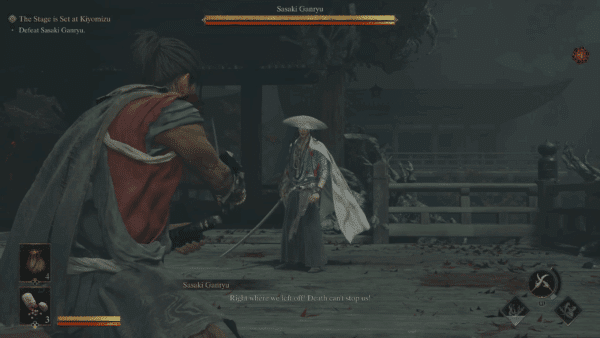
I can’t tell you how many times I’ve managed to perfect my parry against a boss, and it ends up looking scripted because of how well it flows and animates.
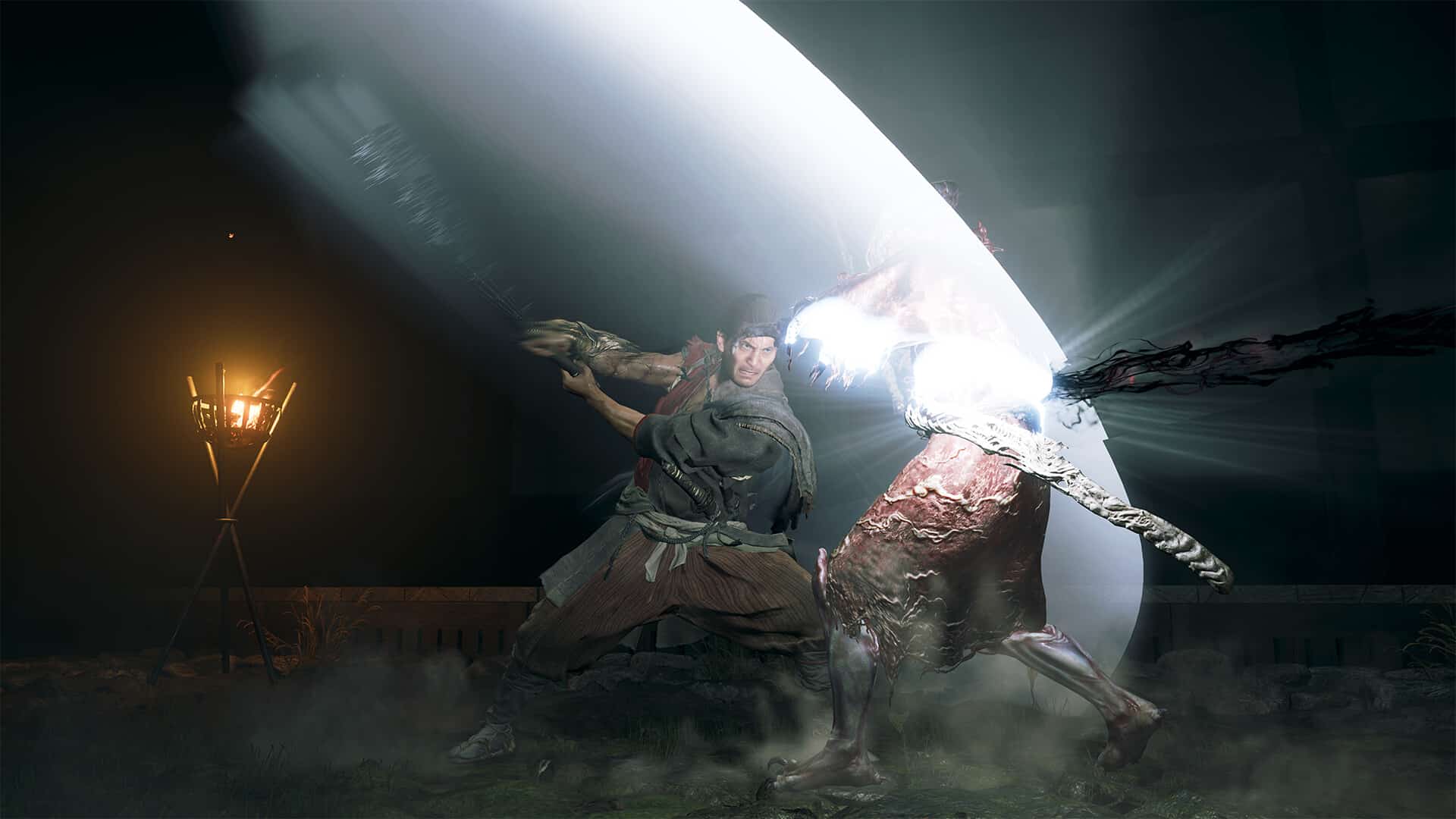
I also wanted to touch on the difficulty. If you felt the demo was an easy play, chances are the final game will be pretty much the same. Don’t get me wrong, the difficulty ramps up on bosses as you progress, but for the most part, playing on action difficulty (highest available for new playthroughs until beating the game) it did feel like something I was breezing through. This is in part due to the lack of enemy variety, which is fairly low. They throw a ton at you, too, making them clear fodder for you to slay. Because of this, some parts of the game feel like they drag longer than they should. Making enemies really easy and then throwing them endlessly at you might seem like an odd complaint, but I like my games with a bit of challenge to help keep the engagement flowing.

There’s only so many times I can slay the same Oni over and over before it starts to get a tad boring, and I would have loved to see more variety to offset the easy difficulty with them, or at the very least, fewer enemies, but harder battles.
Healing items exist, but it was something I rarely ended up using, and in my second playthrough (currently going through now), it’s not something I find myself using much more, despite the harder difficulty.
The side missions also aren’t very memorable. While they do offer some additional content with their own rewards and give you a reason to explore areas you may otherwise breeze past, most of them boil down to variations of the same objectives: go somewhere, kill some enemies, retrieve something, and move on. Given how strong the main narrative and cinematic presentation are, I was hoping the side content would have a bit more going for it than your traditional padded questlines.
Equipment upgrades are also something I’m not too keen on. They require different kinds of resources, which is fair and all, but you also have the standard red souls that you collect, and I don’t think I’ve ever seen a more useless resource in a game. You’ll find yourself with hundreds of thousands of red souls, and while you can buy buffs and healing items from a merchant (which, given how easy the game was, I really didn’t bother), they don’t really serve much of a purpose beyond that. Instead of getting overcomplicated with resources, I feel the game would have been better off just having Red Souls as the main upgrade currency. You get so many of them, yet have so little use.
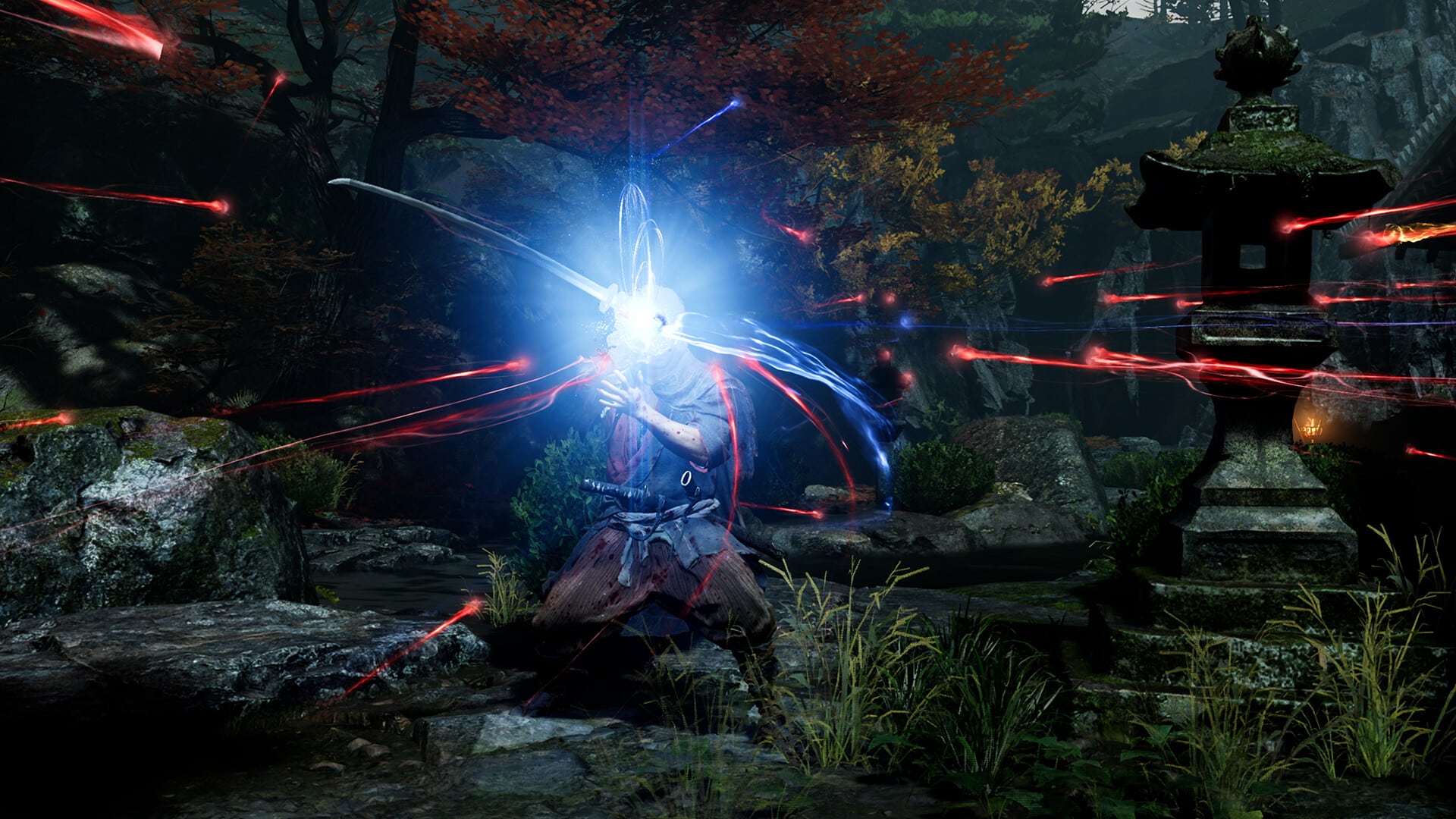
In terms of progression, the game is structured linearly. The main town is a massive hub that you can roam around and explore, but when it comes to visiting other locations, you can expect a pretty straightforward progression. I don’t have a problem with that at all, as I firmly believe not everything needs to be open world, and for this kind of game, it gives it more of an old-school vibe. Capcom leans into the strengths of its linear storytelling, so the level designs naturally follow that. Again, this is fine, especially if it means we get better handcrafted areas that allow us to soak in the environment better. There certainly are some very gorgeous vistas we’ll get to visit, where the art direction is on full display.
Performance-wise, on PC, the game tops out at a smooth 60 FPS on max settings without DLSS when running on an RTX 4090 and AMD 9800X3D. Even with ray tracing on, the game runs superbly smooth.
The Legend Reborn
I know Capcom’s been keen on reviving old titles, but I would have never guessed that Onimusha was going to be part of their plans, and you, despite heading in a new direction with the franchise, there’s no denying that Onimusha: Way of the Sword feels like the comeback this series deserved. It keeps the heart of the franchise while modernizing it for a new generation of players, without losing the identity that made it stand out in the first place.
But as far as comebacks go, they don’t get much better than this. Way of the Sword is a bloody, stylish, and downright exhilarating return to form that proves Onimusha still has plenty of life left in it. After two decades away, it feels good for Capcom to wear the old Oni Gauntlet again.
Pros
- Strong, cinematic storytelling with memorable characters
- Musashi is a charismatic and compelling protagonist
- Outstanding CGI cinematography and visual direction
- Strong return to form for the Onimusha franchise
- Villains with fantastic performances
- Runs exceptionally well on PC

Cons
- Enemy variety is a bit lacking
- Overall difficulty is too forgiving, even on Action difficulty
- Side missions are repetitive and forgettable
- Not a big fan of the upgrade system
Onimusha: Way of the Sword review code was provided by the publisher. You can read MP1st’s review and scoring policy right here.
This website contains affiliate links. If you click a link and make a purchase, we may earn a commission at no additional cost to you. This helps support our work. Learn more on our affiliate page.