

Control Resonant Review – Sensing a Pattern
While Control was a third-person action game that was released in 2019, we haven’t seen a follow-up to it, though we knew one is in development.
That changes with Control Resonant, though it’s one that deviates heavily from the first game in the series. Resonant is an open-ended action-RPG that relies heavily on grinding, skill-building, which is something players didn’t need to trouble themselves with in the first game.
Does it work? For the most part, Resonant does stay in control.
Breaking Free From the Oldest House
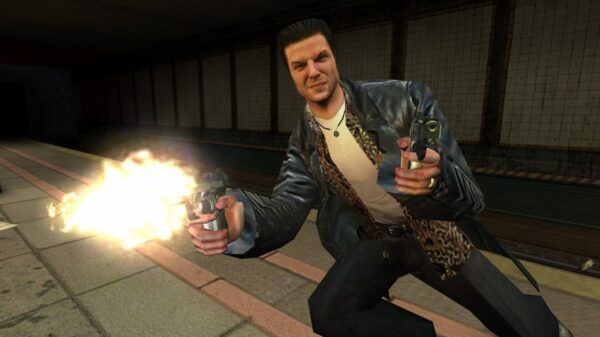
If you’d told me a few years ago that the sequel to Control would be an action-adventure RPG in the vein of Devil May Cry or God of War, I probably would have laughed and called you crazy. A sequel that switches into an entirely different genre? It sounds like a disaster waiting to happen, and in most cases, fans would immediately reject the idea. But as we’ve seen over the last decade, Remedy, the famed studio behind the Max Payne franchise, has built a track record with titles unafraid to take massive, creative risks, including Alan Wake, Quantum Break, and Control.

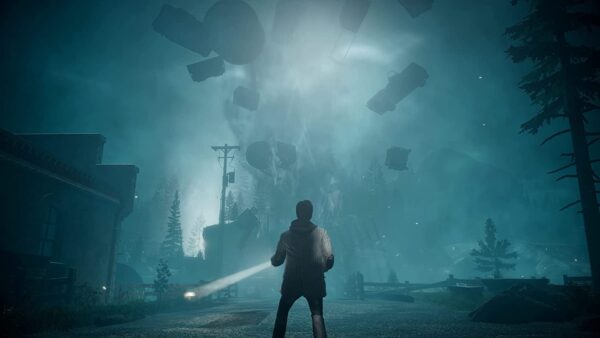
Then came Alan Wake 2, arguably Remedy’s best work so far, and proof that sometimes change is good. But this wasn’t just a matter of changing settings and introducing new characters. No, this was Remedy taking things up a notch, embracing a new vision, not just for the franchise, but for the studio as a whole. Pivoting a beloved cult classic from a linear, run-and-gun psychological thriller into a suffocating survival horror. In hindsight, the change made a whole lot of sense, but it was interesting to see nonetheless, and it was a genre shift that fully allowed Remedy to embrace a new medium of storytelling. We saw a great deal of it in the original Control, but Alan Wake 2 really took things up to a whole other level- well, more like a dimension,
So coming off Alan Wake 2, Control Resonant has a lot to live up to. Understandable, since this is not only the next game in the ever-growing Remedy universe, but also a sequel to one of the most mind-bending games Remedy has ever made: Control. All I can really say is, things get weird, like, really weird, and if you’ve been a fan of Remedy’s last few games, then you know being weird is actually a very good thing.
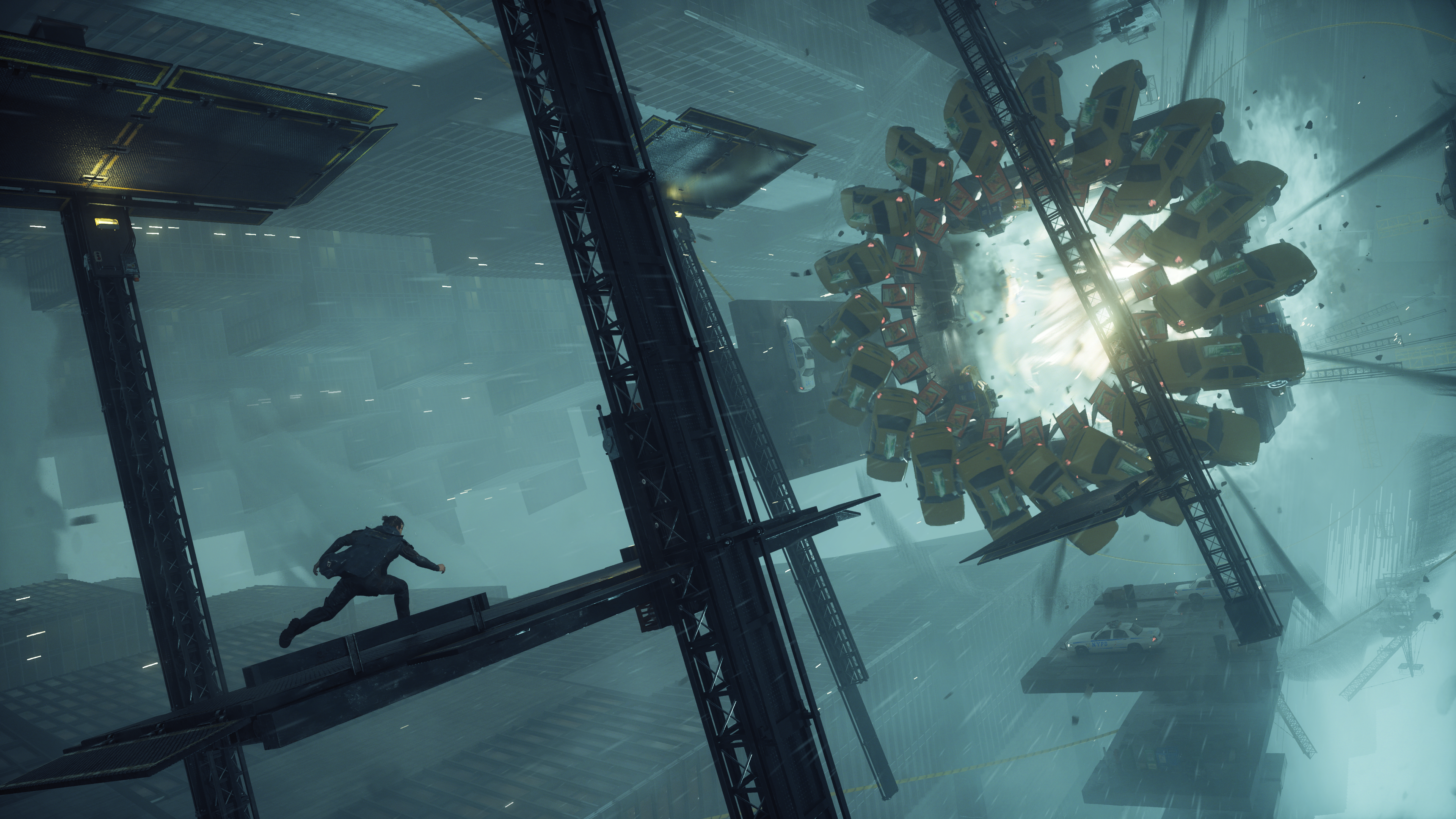
Control Resonant’s story kicks off sometime after the events of the original game. Tasked with containing the Hiss — a paranormal anomaly that threatens humanity’s very existence— Jesse Faden, Director of the Federal Bureau of Control (FBC), suddenly goes missing. As expected, chaos ensues, and soon the Hiss escapes its new prison, The Oldest House, and runs rampant across Manhattan. But they aren’t the only threat to make it out, as a new dimensional being has also found its way out and begins waging war for control of the city. Where the Hiss seeks to possess anyone and anything, this new threat wants to patternize, which is essentially to duplicate, anything it comes in contact with, thus creating a warped version of Manhattan that feels like it’s right out of Christopher Nolan’s movie, Inception.
Coincidentally, Jesse Faden’s brother, Dylan Faden, who’s been under the Hiss’s control and stuck in a coma since the ending of the first game, wakes up to find this twisted, patterned version of Manhattan.
It’s a lot to take in, and Remedy includes a recap of the first game for those who need a refresher (new players, go play Control first). But for those who do remember, I’m sure you have lots of questions, like what happened to Jesse or how Dylan is now a “good guy.” Well, I’m not here to spoil any of that, but rest easy knowing Resonant answers plenty of burning questions while also introducing new ones to theorize about until the next game.

From a narrative standpoint, Resonant is very similar to the way Control told its story. It’s heavy on narrative, but not quite told in a straightforward, hand-holding way. There are plenty of cutscenes and set pieces, but most of the story comes through gameplay, finding case notes, taking on side quests, and talking with NPCs across Manhattan. Fans of the first game will no doubt love this approach, though those coming out of Alan Wake 2 will probably notice the shift in pacing right away. Control wasn’t much for exposition dumping either, but Alan Wake 2 took a far more cinematic approach that forced you to slow down, piece together clues on a case board, and soak in every drop of psychological dread. Of course, being a survival-horror game drove that, and Remedy takes that kind of genre approach with Resonant, with its foot firmly on the gas.
It’s not a complaint; it’s meant to set expectations for those coming from Alan Wake 2.
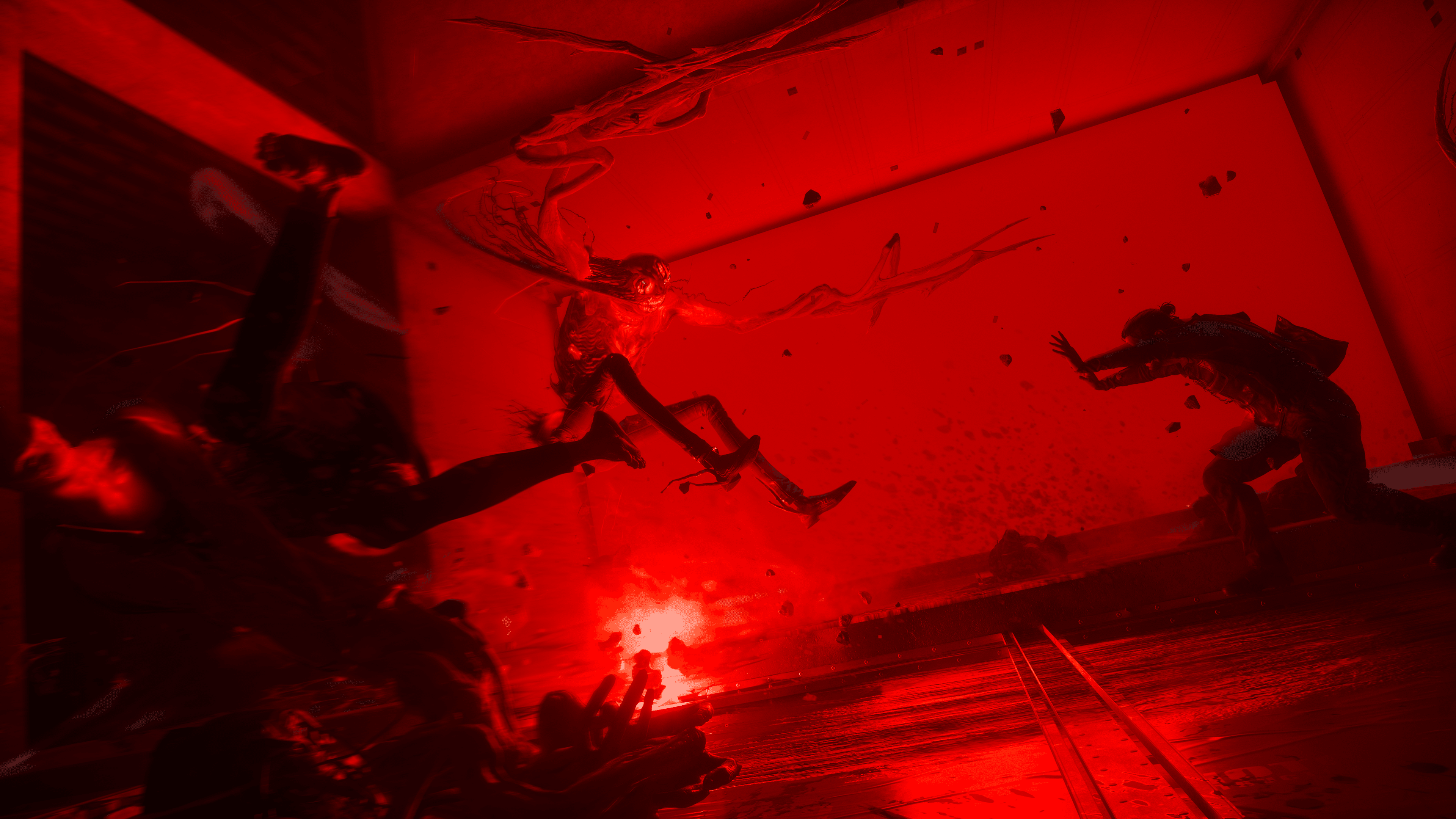
One thing that has stayed true in Resonant is Remedy’s unwavering approach to unapologetic, full-throttle weirdness. Seeing what has become of Manhattan feels like a surreal fever dream where every rule of basic logic and architectural sanity has been tossed out the window. But this is a Remedy game, so naturally, someone notices it lying on the curb, asks, ‘Hey, who threw this here?’, and chucks it straight back at you at terminal velocity. There’s a lot of madness to explore, with traversal abilities that will literally have you flying and running on walls.
Control was already the closest thing we saw to an SCP Foundation game, and I’m glad to see Remedy further leaning into that idea, not only with the story, but in the world too. It’s a high-level containment breach that has spilled into every corner of this city, and Remedy gets weird, very weird, with it at every chance they get. Now there are mundane activities, naturally; all games have them. But when you come across something that’s done really well, and trust me, there’s plenty of unique quests to take, it hits with the exact kind of brilliant absurdity that has become Remedy’s defining signature. Plenty of secrets and stories await in the world of Resonant, and I enjoyed every minute of exploration and solving FBC cases in my 26-hour playthrough.
Remedy has been pretty locked in on telling a story in the last few games, so I wasn’t worried about that. I was, however, worried about the combat itself, and I’m a bit mixed on it for a few reasons.
I Ate the Mold, and I Liked It
Perhaps the biggest change with Resonant is the combat. Now, I wasn’t overly fond of how the first Control played, as I always felt like it wanted to play more like a fast-paced action game rather than a shooter, but was trapped in a shooting-gallery loop. It’s not to say it was bad, because there is a lot to it when you really start to explore all it has to offer, but restricting Jesse mainly to her service weapon (gun) and a handful of cooldown abilities always felt like it was coming up short of its full potential for me.
It wanted to be a superhero game without fully committing to giving you the cape.
Again, I didn’t dislike Control’s combat; I’m just saying it could have been much more, and if there’s proof of that, well, Control Resonant is it.
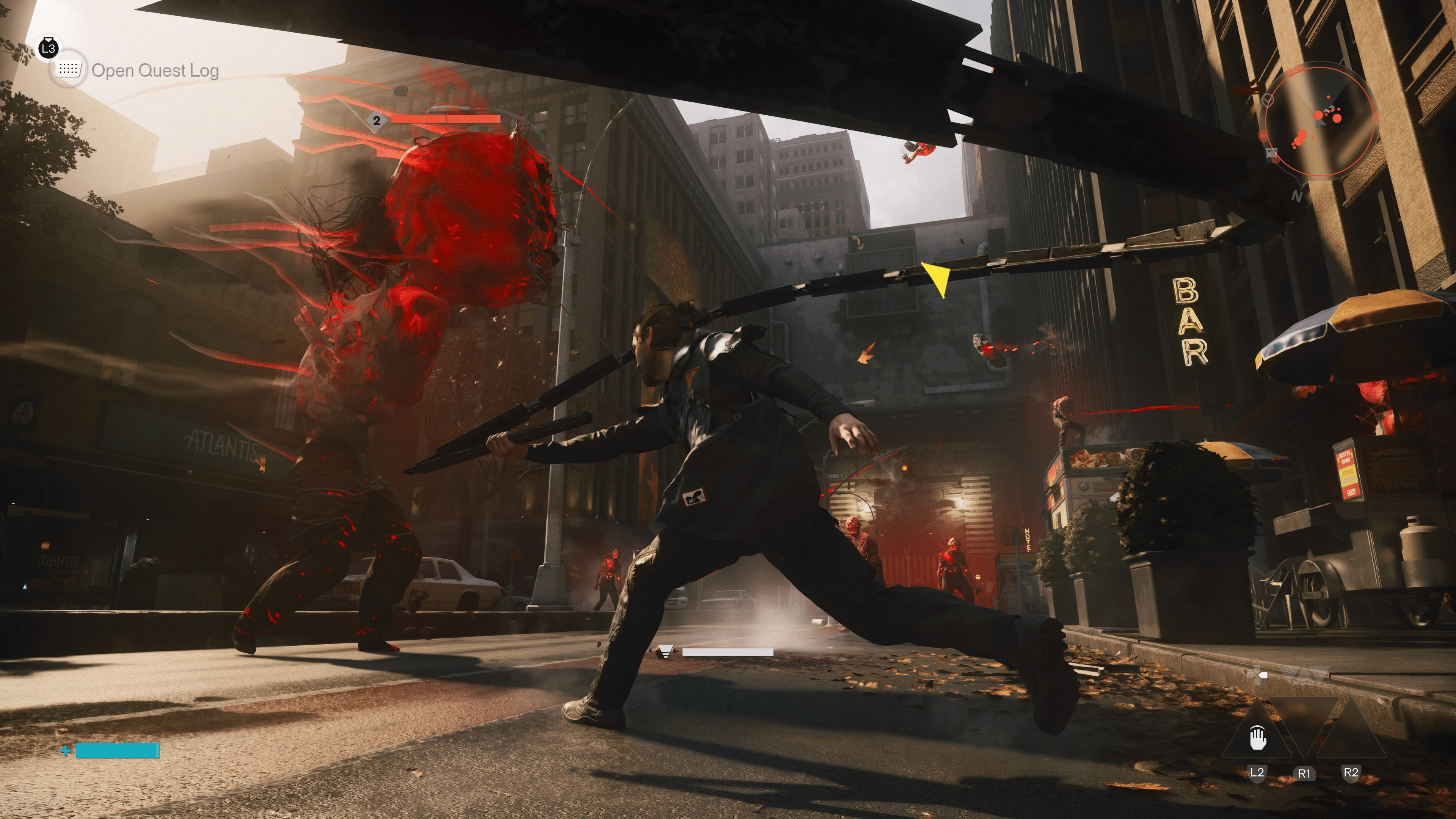
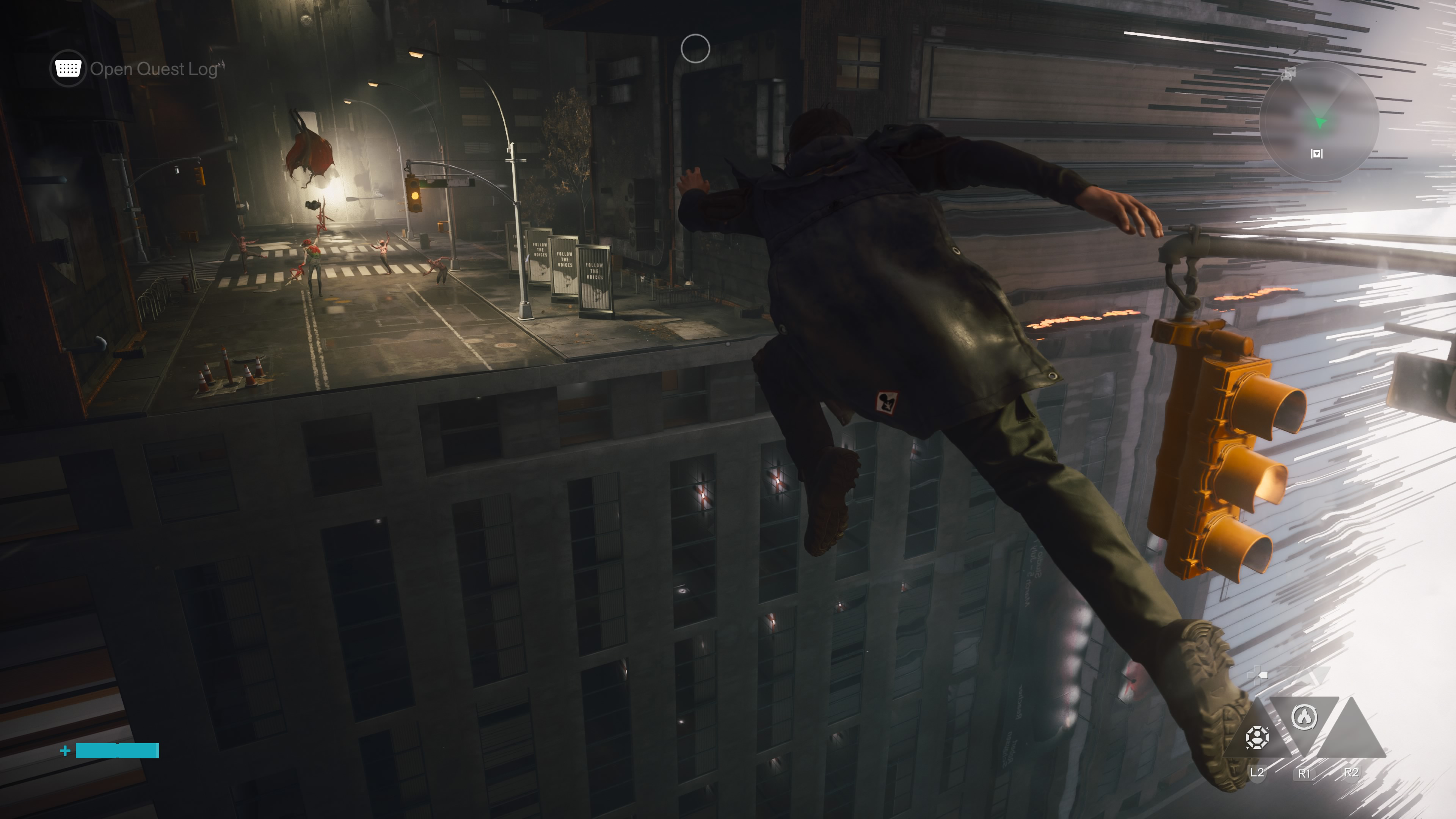
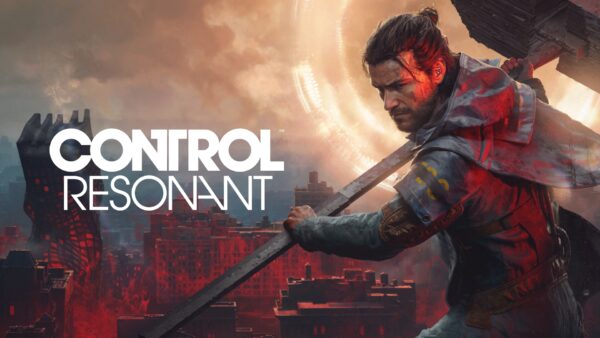
With Control Resonant, Remedy moves past the ranged service weapon to a closer, more personal weapon of power, the Aberrant. A shapeshifting weapon that grows stronger when you defeat Resonants (bosses). It has many forms and abilities, though the game makes you pick and choose rather than giving you access to it all at once. But the Aberrant isn’t the only weapon that Dylan has at his disposal, and his Hiss abilities also come into play, granting him telekinesis, such as a dash, double jump, gliding, and even a faster run. He also gets traversal abilities, such as shifting between walls (more on this later) and an ability known as Reach that, in some ways, acts as a grapple to specific spots. You can use Shift and Reach together, which makes traversal and combat feel trippy.
The combat itself plays very much like a slowed-down Devil May Cry. I would have loved to see it speed up as you progress, since it feels slower than it should be. Overall, I really dig Resonant’s combat, as it’s fun and stylish, turning every skirmish into a chaotic, physics-defying spectacle.
To me, this feels like the combat Remedy wanted in the original Control. So why do I feel so mixed about it? Well, there are a few things.
I’ll start with the smaller one: the Shift ability. Being able to shift your plane, walking and running on walls, sounds fun, and it is, as well as looking pretty cool. The problem is that it feels far too restrictive, as you can only use it in certain zones. I don’t think there’s a lore reason for it; it’s just how the game is built. It would definitely help cut map traversal in half, which can become a chore if you aren’t using fast travel points. It’s not a big deal, but I would love to see the ability expanded much more than it currently is. Later in the game, it gets used a lot, which I quite enjoyed.
But the main reason I’m mixed about the combat has more to do with its progression and how the game handles the RPG part. Enemies are complete sponges, and they take forever to take down. I can understand a boss, and on rare occasions, if it’s meant to be a special elite enemy, but the elite enemies are basically standard spawns. This makes combat drag on longer than it should and, in many ways, pads the intended experience with wasted hours. I played through Resonant the way Remedy intended, and I honestly think they need to tweak and balance the experience more.
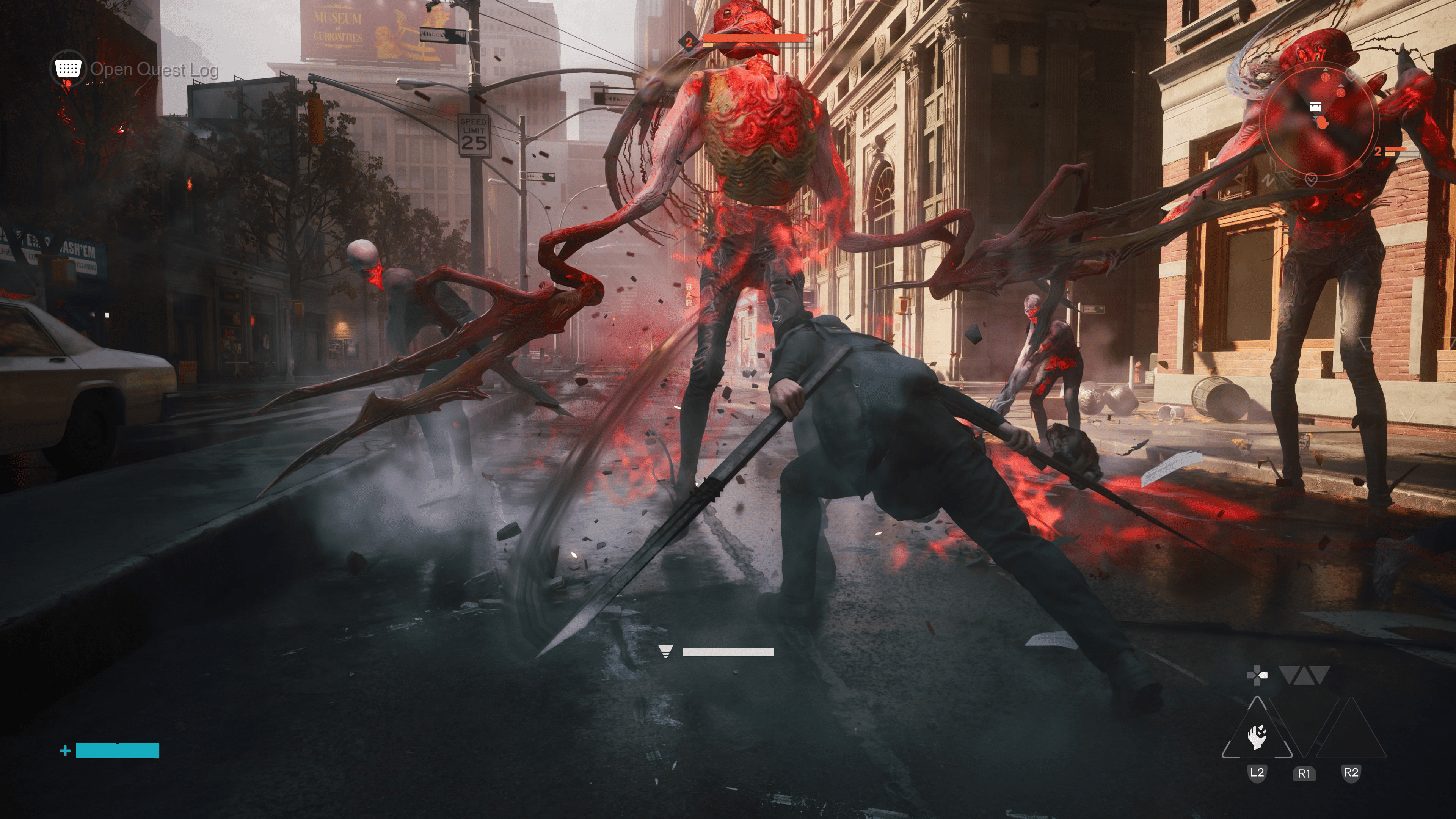
It’s not a hard game (no difficulty options) at all; it’s just easy to die because so many enemies take forever to defeat. So you’re constantly going from one long skirmish to another. I did end up starting a fresh save (not a New Game Plus run) after beating the game the first time around, though this time I decided to tweak the damage multiplier in the assist mode options. Remedy doesn’t recommend using these for your first run, and I agree, since they include a handful of options that essentially turn god mode on, but tweaking the damage multiplier lets you adjust it enough to make enemies less spongy. I found I had more fun with encounters using some of the tuned settings, and I honestly think Remedy should make these encounters less grindy.
Don’t take that as me saying to make it easier. Remedy wanted to make an RPG here. I get that, but I think combat flows better when it doesn’t feel like every encounter will last hours (exaggerating). At the very least, the options are there to tweak it, but I would have preferred the base experience to be better balanced. I think the combat is great, and the core mechanics are some of the most satisfying Remedy has ever put together, but the encounter pacing often works against that brilliance. What’s the point of making you a superhero when almost every enemy is just as strong as you, if not stronger, at every encounter? There’s a balance to be made here, but at least there are options to do that, and even if there weren’t, this is something that can be addressed if it’s an issue for the majority. It’s just how I feel about it, so who knows; maybe most care, and if that’s the case, then yeah, you’ve got a pretty kick-ass combat system waiting for you. I know when it doesn’t feel bogged down by enemy sponges, it feels absolutely fantastic. Take that as you will.
Northlight Engine Continues to Impress
The tech wizards at Remedy keep pushing their in-house engine, Northlight, to the limit, and what they’ve managed to achieve with Resonant is very impressive. Mind you, graphically speaking, Alan Wake 2 is probably still their “best-looking” game, but you could argue that’s because of its smaller scale and more “linear” structure. Smaller environments and a much closer perspective- yeah, Remedy is going to be putting more attention on details there than on something much bigger in scale.
But even so, Resonant impresses visually as a semi-open world, or, as Remedy describes it, open-ended. It features large, connected zones you can freely roam between once unlocked, but it’s not an open world or a sandbox game. That’s beside the point; the environments in Resonant are massive. It’s Manhattan, after all, so scale matters, but with everything going on in the story, that scale is amplified, making an already large borough even larger.
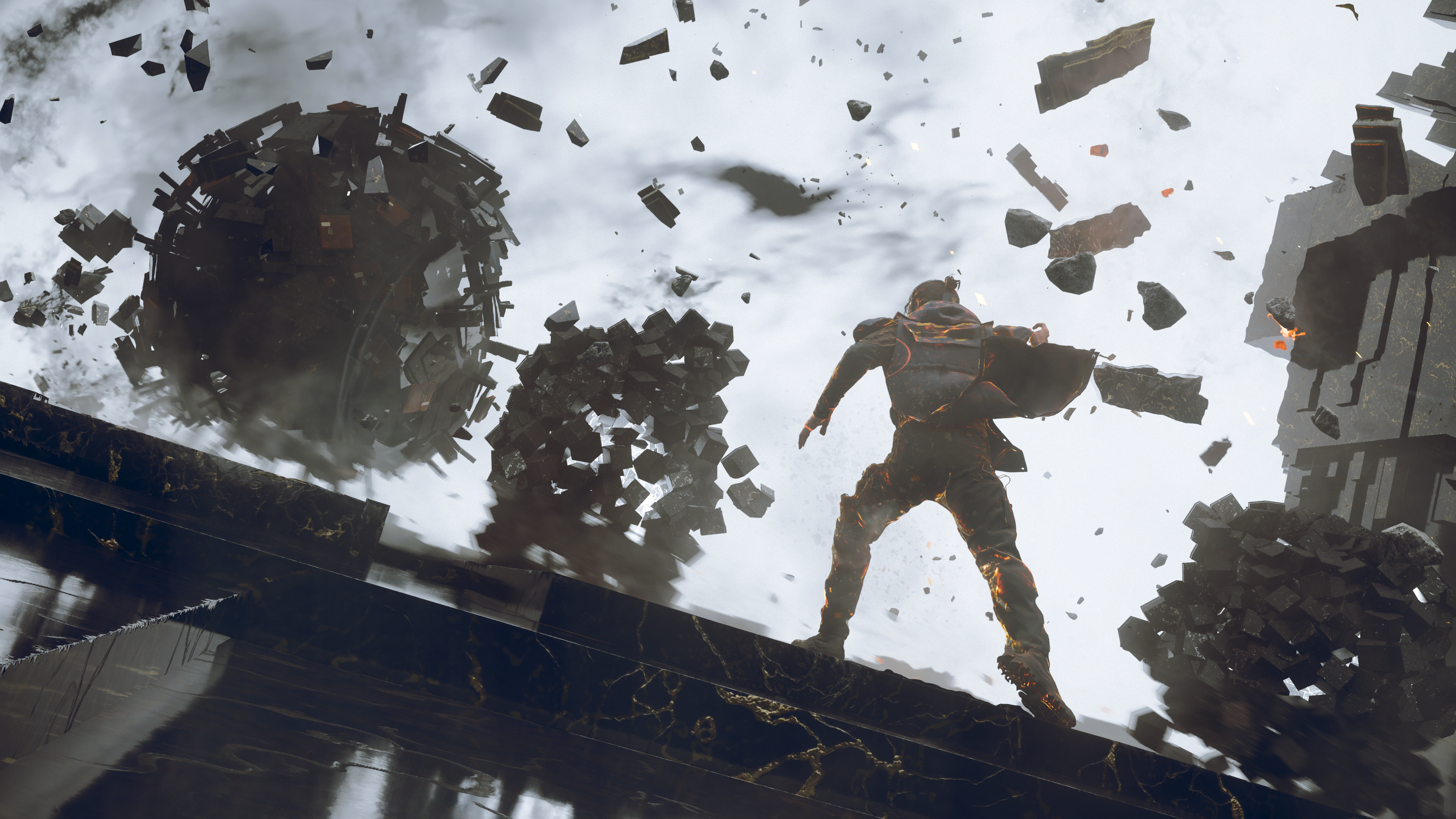
I mentioned before that this interpretation of Manhattan looks like something out of Inception, with buildings being mirrored and folded overhead at impossible angles. It creates a jaw-dropping visual spectacle where the sky is just another avenue of traffic, with skyscrapers looking down at you. It’s stunning, but I think what’s more impressive is how densely populated it is. Not by human NPCs, but rather by the enemies as well as small flying objects that even react to what’s going on.

I’m quite impressed by what Remedy has achieved with the engine, with even full path tracing support available to make the visuals even more beautiful. But what impresses me even more is how smoothly the game runs. We’ve tested a few builds, from a 3070 up to a 5080, and as with any PC game, you should be fine-tuning the settings for an optimized experience, meaning don’t just crank everything to max and expect it to just work. Even so, on medium, high, and ultra; 1080p, 1440p, and 4K; and targeting 60 FPS, the game never really had any hitches on our system, aside from a few rare instances.
It’s hard to talk about some of the game’s technical aspects without dipping into spoilers too, but the particle effects and the amount of dimension warping in this game. I’m just astonished that A, it runs so damn flawlessly, and B, the folks at Remedy somehow manage to animate some of these things. It’s ridiculous, and I can’t imagine the hours the developers put in to make some of the stuff in this game work the way it does. That, and the fact that the game ran flawlessly from start to end for me.
For PlayStation 5 owners (I’m playing with the PS5 Pro), there are quality (30 FPS), performance (60 FPS), and balanced (40 FPS with 120Hz enabled) modes available. Quality mode definitely looks good, but I don’t think it’s worth the performance cost for the type of game it is. Balance mode is the sweet spot for those wanting a mix of good visuals and performance, but even then performance mode looks stunning. So I’d probably recommend sticking with that mode.
Steam Deck players, it does run, but it’s far from smooth. With handheld preset, which is everything cranked down to their lowest settings, the FPS does struggle to hold something steady. Even setting the resolution to the lowest, where it looks like a mess of pixels, the FPS does tend drop once enemies show up. Fingers crossed Remedy continues to optimize the experience, as I’m sure many Steam Deck players would love to play this on the go. That, and it opens it up to the possibility of a Switch 2 port if it could run smoothly on the weaker hardware.
A Pattern I’d Gladly Like to See Continue
I had my worries after seeing that the follow-up to Control was essentially an entirely different game. A new genre, a new protagonist, and basically an entirely new story. Not many IPs get to pull that off, and in fact, would essentially be the knock-on-death door. But Remedy is a studio that isn’t afraid to answer that door, kick it wide open, and invite whatever multidimensional nightmare is waiting on the other side directly into the living room. That’s why so many love them: they refuse to stay inside the creative lines, which often leads to some of the most memorable, bold experiences in modern gaming—and Control Resonant is no exception.
It’s not without its faults, addressable ones, mind you, but all in all, Control Resonant is yet another must-play recommendation for a Remedy-developed game, a pattern I hope to see continue with future releases.
Pros
- Incredible world and narrative that gets all kind of weird.
- Boss fights are amazing in this one.
- The music is great.
- Fun, trippy traversal combining the Shift and Reach abilities.
- Incredible Northlight engine showcase with stellar physics, path tracing, and flawless performance across PC and PS5 Pro.

Cons
- Spongy enemy health pools drag out encounters and hurt combat pacing.
- The Shift wall-running ability is disappointingly restricted to specific structures.
Control Resonant review code was provided by the publisher for review purposes. You can read MP1st’s review and scoring policy right here.
This website contains affiliate links. If you click a link and make a purchase, we may earn a commission at no additional cost to you. This helps support our work. Learn more on our affiliate page.

I think so