Team NINJA latest entry in the Nioh franchise, aptly titled, Nioh 3, seems determined to see just how far that point can stretch and whether that is a good thing or a bad thing; that is for gamers to decide.
The studio’s latest entry in its Japanese-style hardcore action series represents a clear evolution in scope and structure, moving away from tightly segmented missions into a more open-field experience. It also introduces a new dual combat system that lets players switch instantly between Samurai and Ninja styles, fundamentally altering how encounters unfold.
So after spending a significant amount of time with Nioh 3, I can confidently say it is the most complete and grueling experience in the franchise to date. At the same time, it is also the most overwhelming, occasionally clunky, and sometimes frustrating. It is a game bursting at the seams with systems, mechanics, and ideas, and while many of them land, not all of them stick the landing. Still, there is no denying that Nioh 3 delivers a brutal, content-rich experience that fans of the series will find hard to ignore. I’ll share my honest thoughts on the game and leave it up to you guys to decide whether it’s worth your time. I want to note that I am not bashing the game; I enjoy both Nioh 1 and Nioh 2, and having high hopes for this game may be setting the expectation too high. So let us get into it, though a bit of a spoiler alert ahead, so fair warning.
A World That Opens Up, Without Losing Its Bite

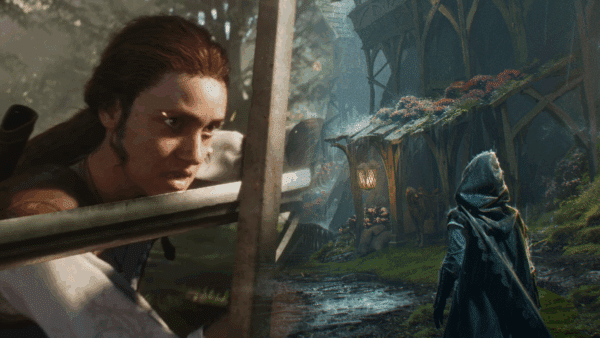
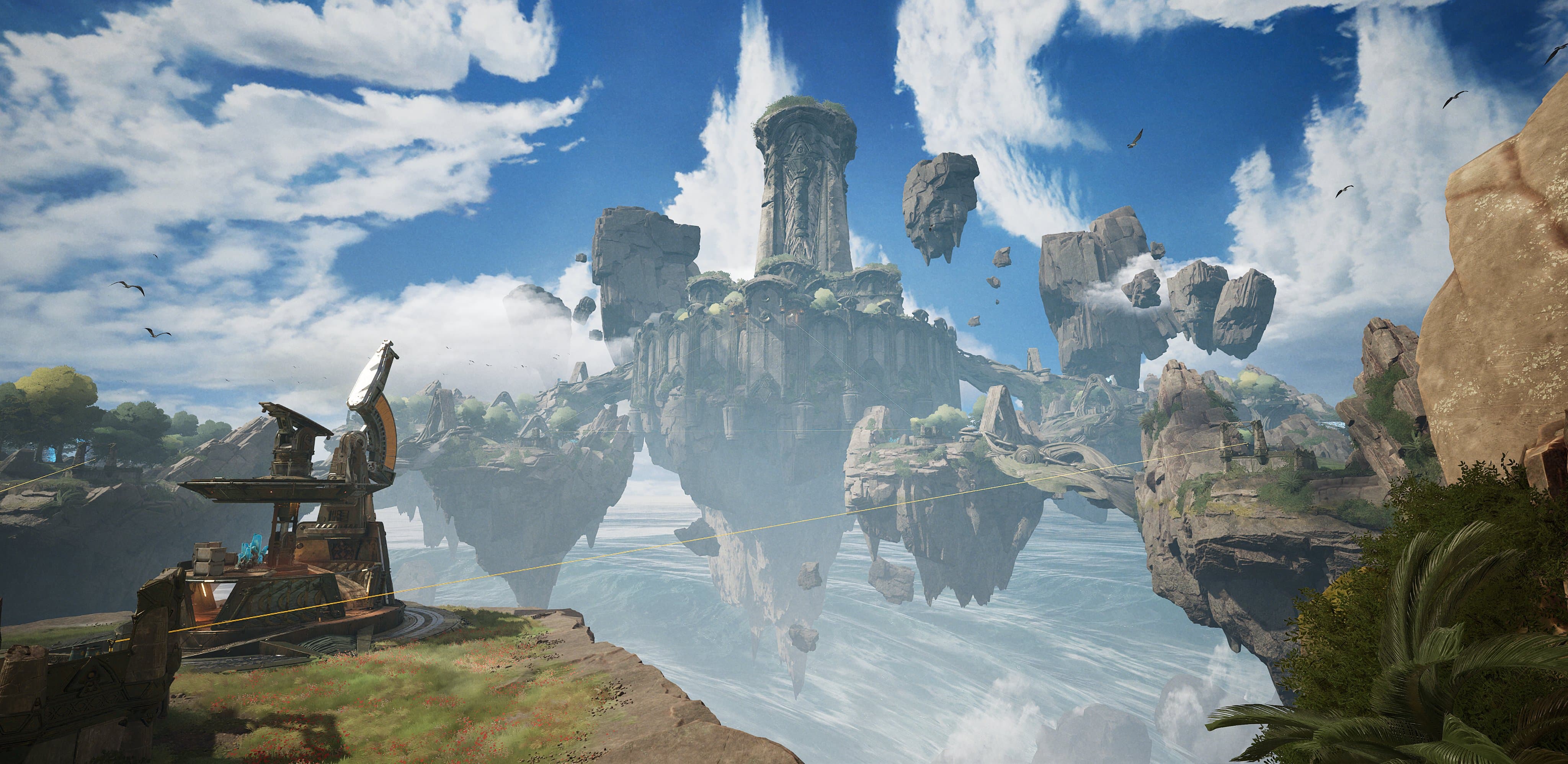
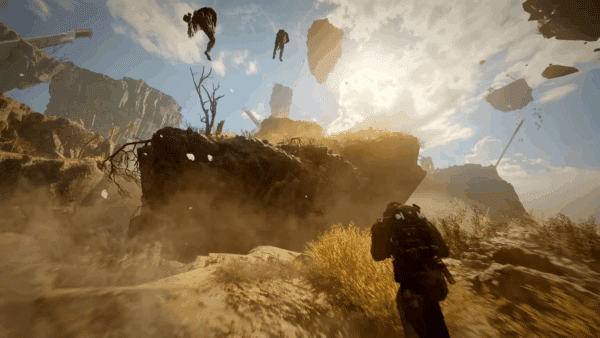
One of the most significant shifts in Nioh 3 is its move toward a more open-field structure. Instead of selecting isolated missions from a map screen, players now explore large interconnected areas across different eras. You still have objectives and missions to complete, but the sense of freedom is much greater. I found myself wandering off the main path more often than in previous entries, discovering side objectives, hidden enemies, and found cheesy strategies simply by exploring. The map does not seem large at first, but I assure you it is far larger than you can imagine once you pass through the first chapter of the game.
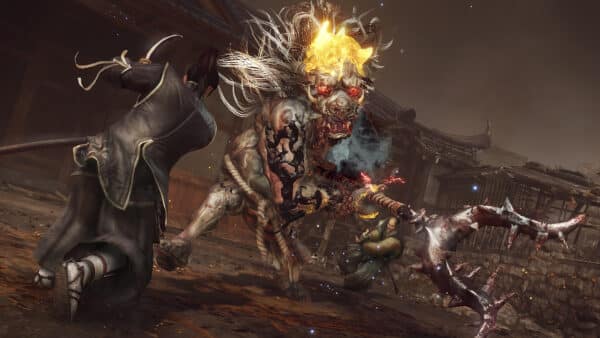
This open-field approach does not dilute the intensity of the experience. If anything, it enhances it, and does it quite well. The world is still packed with deadly yokai, elite human enemies, and environmental hazards that can end a run in seconds. The difference now is that you have more variety in how you approach those dangers. Want to tackle a hard mini-boss enemy early for better loot? You can and should if you are up for a challenge. Prefer to clear out safer areas first and come back later? That option is also on the table. There are a few things you can absolutely cheese if you feel it’s too difficult for you, but you really shouldn’t need to if you take your time deflecting and dodging the enemy or properly gearing and leveling up.
At the same time, the sheer scale of the world contributes to a feeling that there is simply a lot going on at all times. Between enemies, environmental hazards, side objectives, loot drops, skill trees, and UI elements, Nioh 3 can feel overwhelming, especially for newcomers. Even as someone familiar with the franchise, I found myself constantly pausing to check menus, manage equipment, and reorient myself. There is a lot of reading, and I feel it could be more concise, or the UI elements could be improved, to help avoid overwhelming players at the beginning. Once you take your time to get through most of it, it will be more bearable, but still annoying.
Still, the open-field design is a net positive. It gives Nioh 3 a stronger sense of place and progression, making the world feel more like a living battlefield than a series of disconnected arenas. I didn’t mention it earlier, but be prepared: there is character customization, so you’ll, probably like me, spend a good amount time customizing your character. Don’t be afraid if you change your mind about your character; later in the game, you can switch gender and appearance, giving players the freedom to not stick with the character they created at the beginning.
Dual Combat Styles: Samurai Meets Ninja

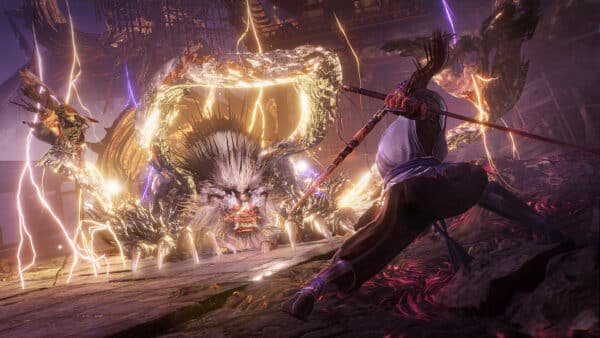
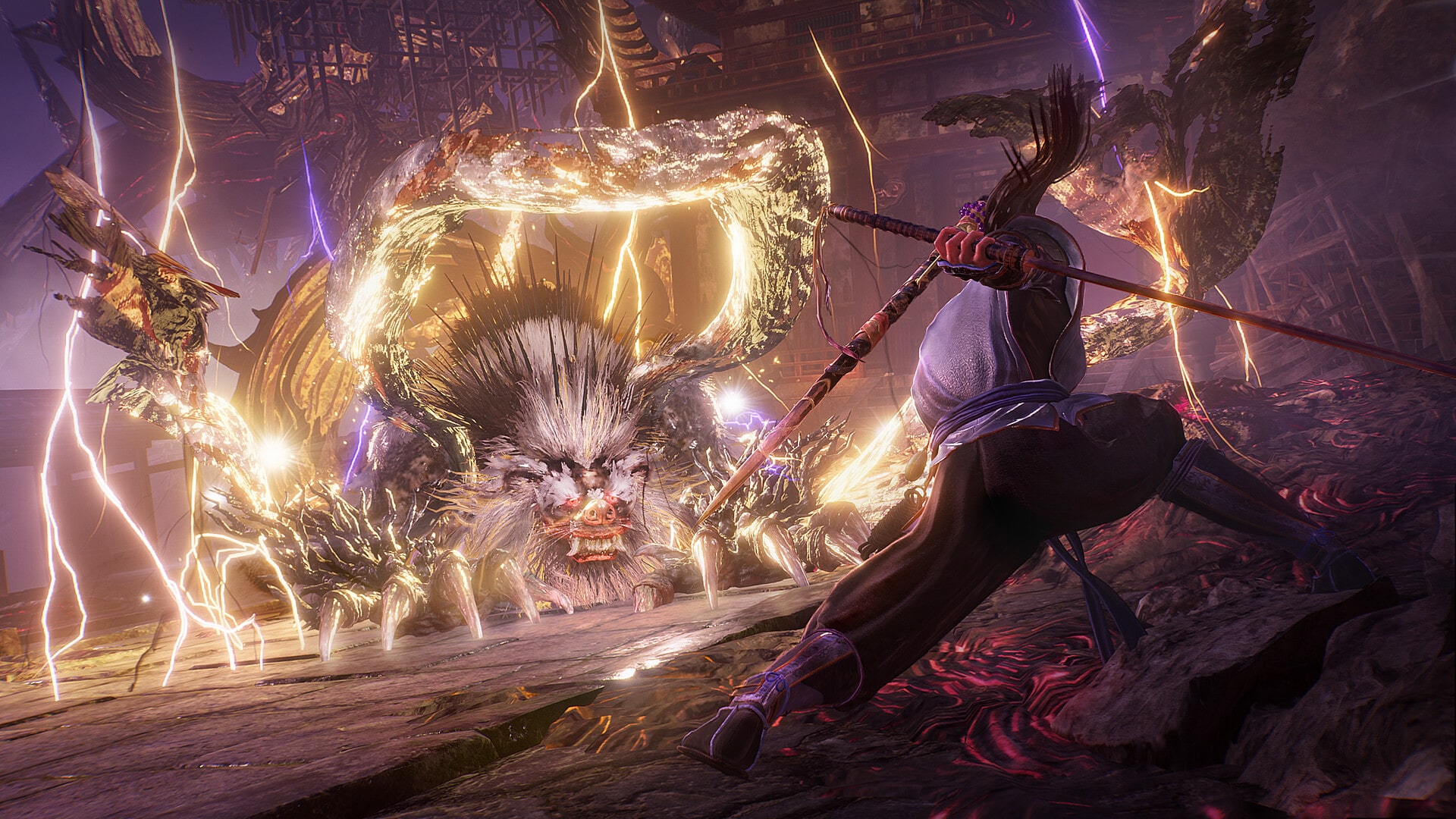
The headline feature of Nioh 3 is its dual combat system, which allows players to switch instantly between Samurai and Ninja styles. I found it fun switching between two different styles, and it occasionally helps me out in some tight, tough bosses.
Samurai Style continues the series’ legacy. It focuses on heavy weapons, melee combat, stance management, and precise control of Ki. If you have played Nioh or Nioh 2, this style will feel immediately familiar. You still have access to high, mid, and low stances, each with its own attack patterns, damage output, and Ki consumption. You still rely heavily on Ki Pulse to recover stamina after attacks and to purify the Yokai Realm.
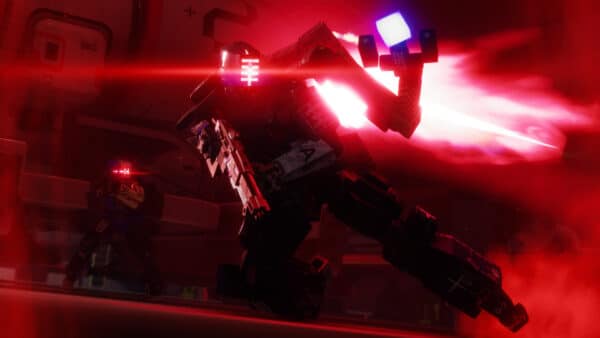
Ninja Style, on the other hand, introduces a faster, more agile approach to combat. It emphasizes dodging, ranged attacks, and the use of Ninjutsu. Attacking from behind deals more damage, and you gain access to new techniques like dodging while jumping and performing footstool jumps off enemies. The result is a playstyle that feels more mobile, evasive, and opportunistic compared to the grounded, methodical nature of Samurai combat.
The real magic happens when you start switching between the two styles mid-combat. This allows you to adapt to different enemy types, exploit openings, and maintain pressure in ways that were not possible before. So take full advantage of both classes and the various combos and skills they have to offer.
When everything clicks, Nioh 3’s combat system is a thing of beauty. Chaining a Samurai combo into a Ninja dodge, followed by a ranged attack and then swapping back to finish the kill, feels fluid and empowering. It gives you the tools to deal with increasingly complex enemy patterns and encounter designs. Though pulling it off isn’t straightforward, there may be a delay in input commands, so don’t expect to pull off outrageous moves often.
There are moments where the system feels clunky. Trying to cancel mid-attack does not always work as expected, and there were times when I felt locked into an animation longer than I wanted to be. This is particularly frustrating in a game where a single mistake can cost you your life. The transition between styles, while generally smooth, can occasionally feel awkward, especially in high-pressure situations. After numerous battles, you should be able to get a feel for it, and remember that you can change certain skills to optimize your playstyle.
Despite these hiccups, the dual combat system represents a bold and largely successful step forward for the franchise. It adds depth, variety, and a new layer of decision-making to every encounter, even if it sometimes stumbles in execution. However, it is a very nice feature that I am glad they added.
A Combat System Packed With Layers

Combat has always been the heart of the Nioh series. You manage your Ki to perform quick, powerful attacks, parry, dodge, and guard. You recover Ki by performing a Ki Pulse immediately after attacking, and you can purify the Yokai Realm using this mechanic in Samurai Style. You also have Guardian Spirits to activate to do some serious damage without having to worry too much on taking critical damage, think of it like a limited duration shield (it doesn’t last long if you take a lot of hits). There are many more things I am leaving out, since I don’t want to give away too much.
Enemies, both human and yokai, have their own Ki gauges. Reducing an enemy’s Ki to zero staggers them and opens them up to a devastating Grapple attack. Human enemies gradually recover Ki over time, while yokai do not unless they are in the Yokai Realm or under special conditions. This creates a constant push and pull between offense and defense, aggression and restraint.
Nioh 3 builds on this foundation with a host of new systems. The Arts Gauge fills up as you attack, guard, or perform perfect parries known as Deflects. Once complete, it allows you to activate Arts Proficiency, enhancing your strong attacks and Martial Arts by reducing Ki consumption, increasing damage, and/or enabling consecutive use of different techniques.
In Ninja Style, attacking fills your Ninjutsu Gauges, which allow you to use various Ninjutsu abilities for ranged attacks, movement, and utility. These gauges add another resource to manage, further deepening the already complex combat system.
Then there is Burst Break, a new mechanic designed to counter powerful enemy attacks (think of it as parrying). In theory, Burst Break allows you to interrupt devastating enemy moves with precise timing, turning the tide of battle in your favor. In practice, I found it inconsistent. It felt like Burst Break worked only about 40 percent of the time for me, and I often found myself preferring to rely on Deflect instead, though it could be a skill issue for me. Deflecting enemy attacks felt more reliable and easier to execute, especially against aggressive bosses.
There is no denying that Nioh 3’s combat system is dense. There are layers upon layers of mechanics, gauges, skills, and situational abilities to keep track of. For some players, this will be a dream come true, offering near-infinite room for mastery and experimentation. For others, it may feel overwhelming and unnecessarily complex.
Personally, I found the system thrilling and enjoyable. When everything comes together, Nioh 3 delivers some of the most intense and satisfying combat encounters I have experienced in an action RPG. Just be aware that the developers may release a couple of updates to adjust the combat system, which could make it more enjoyable.
Familiar Faces and New Blood

Nioh 3’s story takes place in the year Genna 8 (1622), a pivotal moment in Japanese history. Edo Castle stands on the brink of Tokugawa Takechiyo’s appointment as the next shogun. His younger brother, Tokugawa Kunimatsu, consumed by hatred and jealousy, falls into darkness. Empowered by a sinister force, he leads a horde of yokai in a brutal assault against Takechiyo, plunging an era of peace into chaos.
One of the strengths of Nioh 3’s narrative is its accessibility. While longtime fans will appreciate the returning characters and voice actors, the game introduces new protagonists and figures in a way that lets newcomers fully appreciate the universe without feeling lost. The story is self-contained enough to stand on its own, even as it builds on the foundations laid by previous entries.
That said, storytelling has never been Nioh’s strongest suit, and Nioh 3 does not change that significantly. The narrative is functional, engaging enough to provide context and motivation, but it rarely rises to the level of truly compelling drama. Most of the emotional weight comes not from cutscenes or dialogue, but from the world’s sheer brutality and the constant sense of struggle.
One aspect of the story that I found increasingly obnoxious is the overuse of spirit animals. I understand that Guardian Spirits are a core part of the franchise and add a unique flavor to the world. However, it feels like almost every boss (they have their own evil demon spirit) and important characters has their own spirit animal as well. This diminishes their impact and makes them feel less special. I would have preferred it if only the main character had a Guardian Spirit, or at least if they were used more sparingly.
Still, the time-spanning narrative and the blend of historical and fictional elements give Nioh 3 a strong sense of identity. It may not be the most emotionally resonant story, but it effectively supports the game’s themes of conflict, power, and perseverance.
Loot, Builds, and Item Management
If there is one word that describes Nioh 3’s approach to progression and customization, it is abundance. The game showers you with gear, weapons, armor, Soul Cores, titles, prestige points, Martial Arts, Ninjutsu, and Onmyo magic. There is always something new to equip, upgrade, or experiment with.
Equipment management remains a central pillar of the experience. You can forge weapons, enhance gear, and fine-tune your loadout to suit your preferred playstyle (you can use a flintlock gun instead of a bow). As you level up, you will unlock specific requirements to wear particular gear, use special spirit cores, and more. There are many things you can do to make your experience and playstyle fit your needs.
However, the sheer volume of gear drops becomes exhausting. Some enemies constantly shower you with weapons and armor, most of which are immediately obsolete or irrelevant. I found myself spending an unreasonable amount of time sorting through inventory, dismantling or selling gear, and comparing stats. Over time, this became more of a chore than a joy. You could choose to discard, but if you are a frugal person like me, I would scrap them to sell or trade for coins and materials.

Personally, I would much rather see a system that focuses more on material drops and forging. Instead of drowning the player in random gear all the time, I would prefer to collect materials and forge the exact equipment I want and need to progress. This would streamline the experience and make each piece of gear feel more meaningful.
Despite this, the build system is undeniably deep and satisfying for players who enjoy micromanaging their characters. There is a real sense of ownership over your build, and watching your character grow stronger and more capable over time is one of the game’s greatest pleasures.
Overall, Nioh 3 is a fun and decently challenging Souls game that allows you to have the freedom to create your own unique fighting style. With many different weapons, techniques, ninjutsu, and countless others, you can be sure that you will have a great time creating a unique combination that fits your playstyle.
- Rewarding combat with Samurai and Ninja styles
- Open-field structure adds freedom and replayability
- Challenging boss fights and enemy variety
- Strong build customization and progression systems
- Its a souls games for many fans
Verdict
8/10
In the end, Nioh 3 stands as a testament to Team NINJA’s commitment to pushing the boundaries of hardcore action design. It is a game overflowing with ideas, systems, and challenges, and while not all of them land perfectly, the overall experience is still compelling. If you are a fan of the series or of punishing action RPGs in general, Nioh 3 is well worth your time, even if it does not quite reach the heights of its predecessors.
- Combat can feel clunky at times
- Burst Break feels inconsistent
- Excessive gear drops make inventory management tedious
Nioh 3 was provided by the publisher. You can read MP1st’s review and scoring policy right here.