When it comes to adapting iconic ’80s action films, few studios manage to capture the magic, let alone improve upon it. After the unexpected triumph of RoboCop: Rogue City (read our review), the question lingered: could Teyon deliver a follow-up that lived up to the new standard?
Let’s find out!
RoboCop Meets…Dredd?

I wasn’t sure what to expect from RoboCop: Rogue City when it released two years ago. I mean, Teyon, the studio behind it, did release a pretty awesome Terminator game, so it did have that going for it at the time. But still, their history of titles wasn’t the biggest when it came to blockbusters, and they were also the studio behind the Rambo game, which, for me, wasn’t all that great. But I took the gamble, went ahead and booted up RoboCop, and to my surprise, Rogue City was good, no, better than good; it was fantastic, and easily one of the best licensed movie IPs I’ve ever played. Sure, there were some areas the game could have done better, but playing through it, it was clear that the folks over at Teyon were massive fan of the franchise, as they managed to craft what could only be described as the perfect dream sequel to the movies, capturing the dystopian atmosphere, satirical tone, and brutal action of the original films while delivering a compelling narrative that felt authentic to the world of RoboCop. They truly understood what made the movies so special, focusing on the themes of humanity, corruption, and the blurred lines between man and machine.
It was a loving tribute that respected the source material and provided fans of the RoboCop franchise with the experience they had always wanted. The attention to detail in Old Detroit, the iconic sound effects, and the pitch-perfect voice acting from Peter Weller all contributed to an experience that felt like stepping back into 1980s OCP. Again, it has its faults, but as a fan of the franchise, it was essentially the perfect movie game.
So, when the studio announced that they were doing a follow-up (as in a sequel, not DLC), my excitement levels skyrocketed. But then questions started seeping in, most of which were about where the franchise goes next.
Well, I suppose that answer isn’t much of a surprise, as RoboCop once again finds himself getting caught up in OCP’s problems. Though this time it’s a bit more personal, as a ghost from RoboCop’s, or more specifically, Alex Murphy’s, past comes back to haunt him.
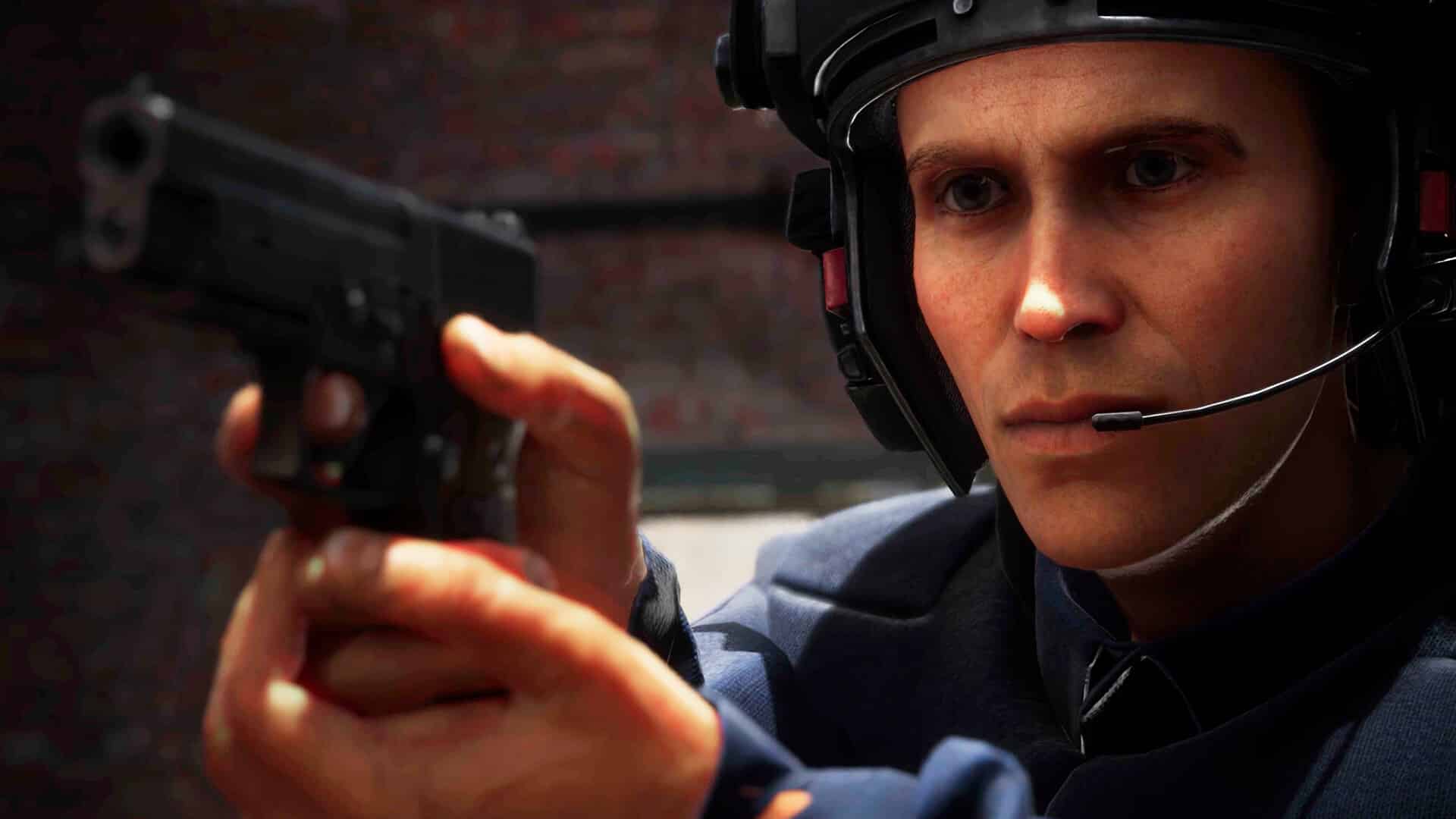
I won’t spoil any of the story, but all you need to know about it is that it’s more of what any RoboCop fan could want, which is yet another perfect spiritual movie sequel that embodies everything RoboCop. And for those looking for the lore of the universe to expand, here, you’ll be pleasantly surprised by where the story goes, and how it connects things, both old and new, in a rather fun and thrilling narrative. I think this is going to be a story that any fan will love.
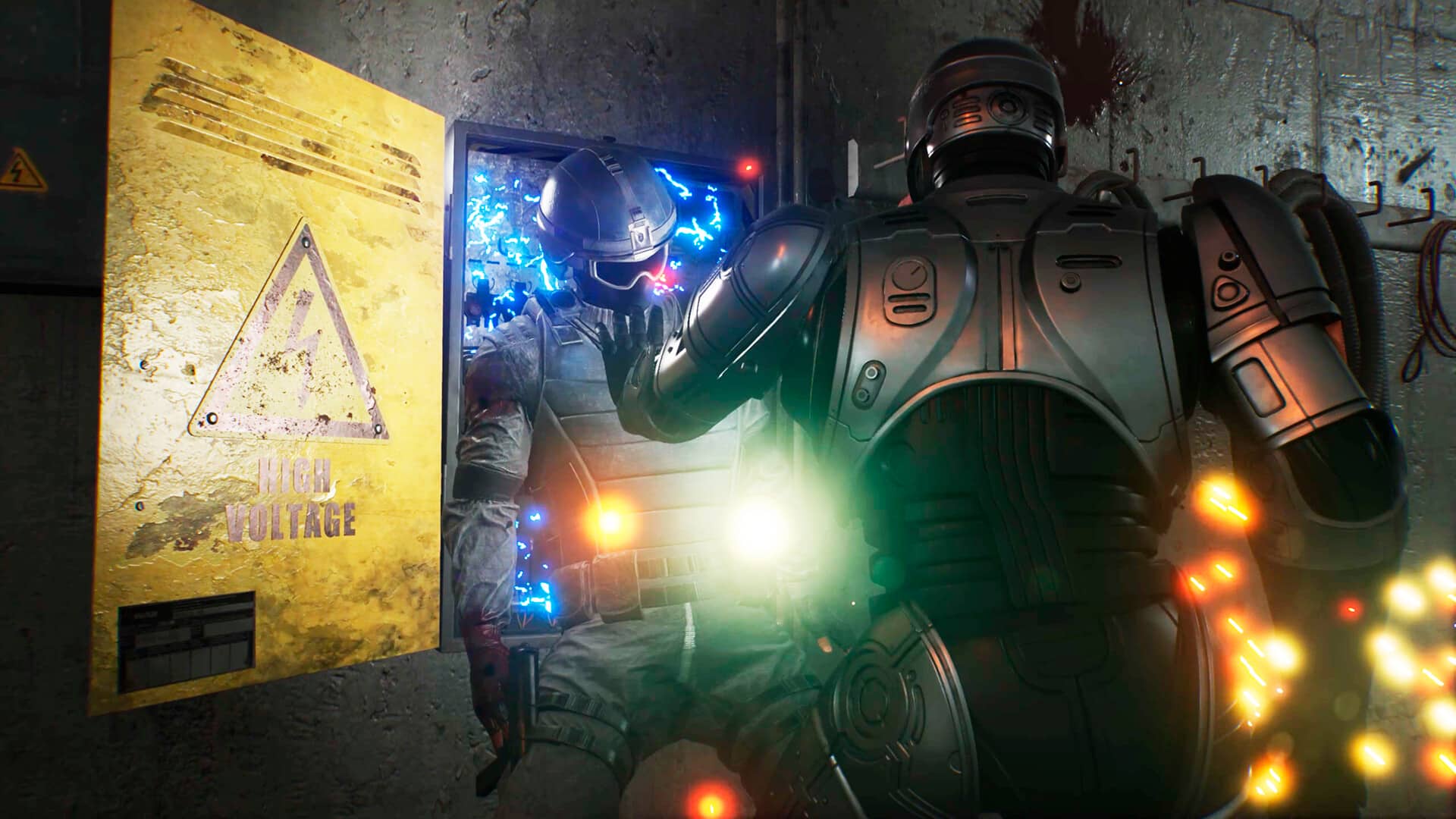
However, the major thing I wanted to discuss was the significant shift that Unfinished Business has undergone, specifically the transition from a semi-open city to a more linear and confined corridor design. While RoboCop: Rogue City allowed players a degree of freedom in exploring Old Detroit, tackling side quests, and investigating crime scenes at their own pace, Unfinished Business focuses the action almost entirely within the confines of the OmniCorp Tower. This pivot significantly changes the gameplay dynamic, creating a much more intense and claustrophobic experience compared to Rogue City. The levels are meticulously crafted, forcing RoboCop down specific paths, which eliminates the sense of open-world exploration but enhances the feeling of a relentless siege. Every floor of the tower is a gauntlet of enemies, traps, and tight combat scenarios, demanding precise movement and strategic use of RoboCop’s abilities. The result is a faster-paced and more focused narrative, ideally suited to the expansion’s intense, contained environment.
Mind you, there are still a handful of side objectives and investigations that you can do and miss out on entirely, but in terms of structure, the game is significantly more linear than the first Rogue City. This shift means the focus is heavily concentrated on the main narrative and the intense, confined combat scenarios within the OmniCorp Tower. While the first game encouraged players to explore and engage with the city’s open-ended side content, Unfinished Business steers you directly through a tightly paced, high-stakes gauntlet. The design prioritizes immediate action and a constant feeling of forward momentum, making the experience feel more like a relentless assault than a patrol of Old Detroit.
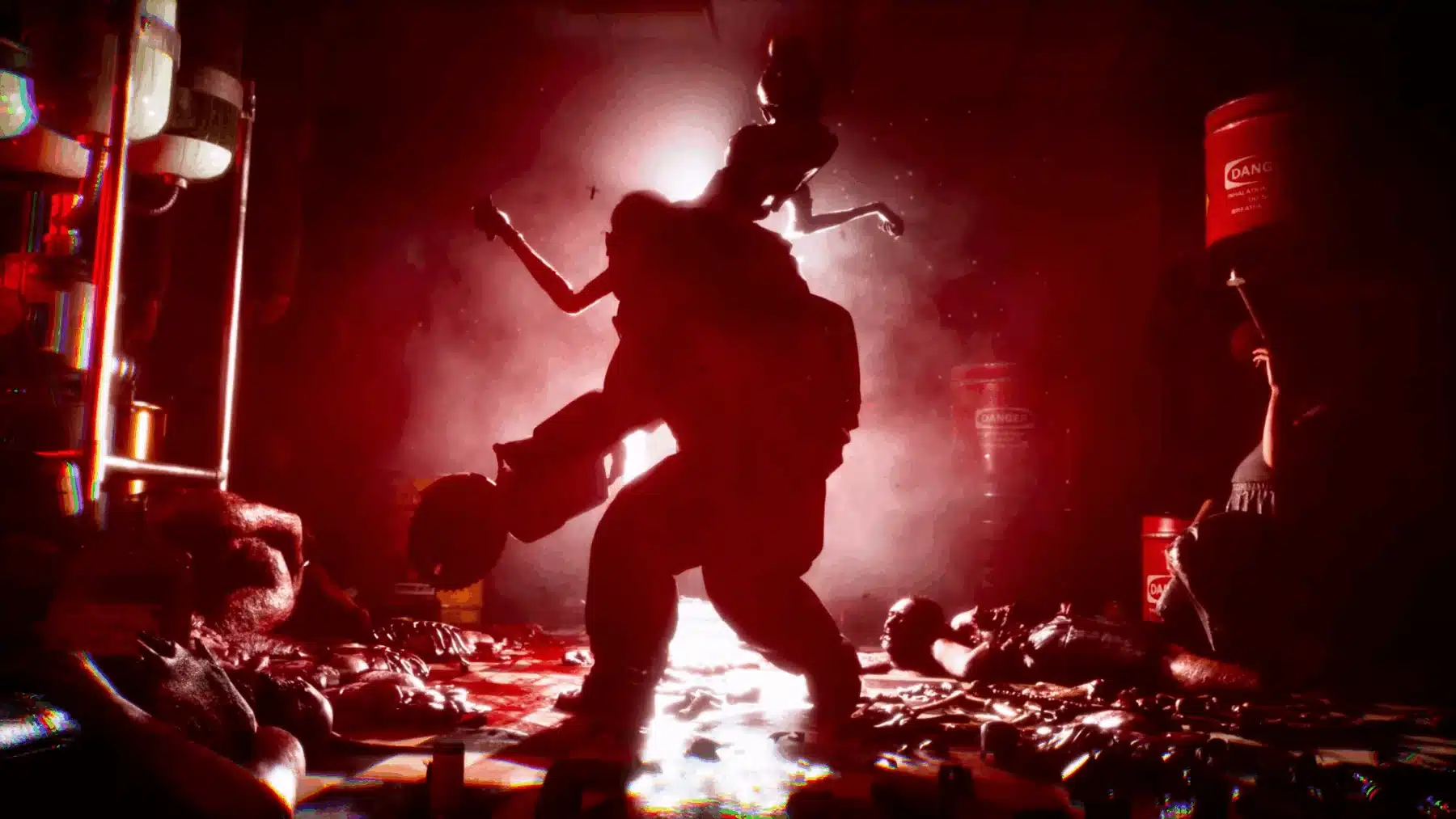
Honestly, if it weren’t for the fact that the game is called RoboCop and features the character, I would probably have mistaken this for a video game adaptation of 2012’s Dredd. Yes, the ultra-violent, gritty, and surprisingly dark tone of this new RoboCop game feels very much in line with the unflinching portrayal of Mega-City One. However, what truly elevates it is how it seamlessly weaves the essence of RoboCop into this brutal reality.
He still upholds the law with an unwavering moral compass and a sense of justice that isn’t quite as brutal as his executioner counterpart, unless, of course, you point a gun at him, then it’s all fair game. But in the end, he’s still the protector of the innocent, even if that protection now comes with a heavier, more visceral punch.

I would almost say that if the Judge Dredd IP wasn’t in the hands of another studio (Rebellion Games), Unfinished Business makes a strong case for why Teyon would be the perfect studio to create a Judge Dredd game. Don’t get me wrong, this in every way is still a RoboCop game, but it’s also hard to ignore the inspiration this adventure is drawing from, those being the likes of Dredd (2012), The Raid, and other similar IPs.
Of course, with all this said, it’s also reflected in the gameplay, which is every bit of 80s ultra-violent action cinema come to life.
I AM THE LAW
If you’ve played Rogue City, you probably already know what you’re getting yourself into with Unfinished Business. For those who haven’t, Unfinished Business is a first-person shooter, played from the perspective of RoboCop. That’s a pretty important thing to keep in mind, because RoboCop isn’t exactly fast in his movements. He’s clunky, and everyone can hear him entering a room a mile away.
However, this isn’t a detriment; it’s a deliberate design choice that perfectly captures the character. His tank-like movement makes every step feel impactful, every stride a deliberate advance towards justice. You don’t zip around cover like a typical FPS protagonist; you are the cover. Enemies scramble and flinch as they witness the walking fortress of law enforcement that you are. This pacing forces you to think tactically, prioritizing targets and utilizing your environment, rather than relying on lightning-fast reflexes. It’s a unique and incredibly satisfying rhythm that makes you feel exactly like the unstoppable cyborg lawman from the films.
Throw in the character’s theme song, which plays right at the perfect time, every time, and you do feel like RoboCop in every sense.

Besides the shift from a semi-open world to a more linear format, Unfinished Business features plenty of new elements. There are new enemies, some of which fans will recognize from RoboCop 3, like the Otomo (Ninja robots). The ED-209 also comes back, and as featured in the trailers, this time you’ll get to play as one, and it’s one of the most satisfying things in the game. There are also some new weapons, with one that shoots out a giant freeze blast that turns all your enemies into icicles, only for you to walk into them and break into a million little pieces.
There are also new PCB boards for you to tinker with. At one point, I unlocked a mod that made the infinite ammo pistol never have to reload, with a massive amount of damage, which essentially translated to me constantly blowing heads and other body parts apart in mere seconds. If there is such a thing as a machine god, then this is probably as close as we’ll get.
All of the new additions are fantastic, and I love how they’re introduced, in the sense that the game constantly feels fresh as it gives you new toys to play with.

At the end of the day, whether you’re a lifelong fan of the IP or simply someone craving an incredibly satisfying and exhilarating action experience, RoboCop: Rogue City Unfinished Business is a must-play. Teyon has once again knocked it out of the park, proving their mastery at crafting licensed games yet again. They’ve taken a beloved character, infused his world with a dose of relentless, gritty action cinema, and delivered a game that’s not just a loving tribute but a pure, unadulterated blast from start to finish.
Rogue City was, without a doubt, the best RoboCop game ever made, and now, Unfinished Business stands shoulder-to-shoulder with it, cementing both as essential plays for every fan of the franchise.
Score: 9.5/10
Pros:
- The story premise is simple, but that’s exactly what we loved about these films, and Peter Weller slips back into his RoboCop role as if he’s right back in the 80s.
- Despite its more linear structure compared to the first game, it takes full advantage of it, delivering an ultra-violent, jam-packed action shooter that would make any fan of the franchise smile with delight as they live out their power fantasy as RoboCop.
- The gameplay is just completely over-the-top fun.
- New mechanics and features are excellent additions.
Cons:
- Unless I’m missing something, there’s no New Game Plus, or at the very least, stage selection. I wish I could go back and replay some sections of the game, like the ED-209 part.
RoboCop Rogue City – Unfinished Business review code was provided by the publisher. You can read MP1st’s review and scoring policy right here.