

Hideo Kojima’s “Magnum Opus,” Metal Gear Solid 3, is back, but this time in an all-new remake. Dubbed Metal Gear Solid: Snake Eater, Konami has undertaken the massive task of remaking one of the most beloved games of all time, in hopes of introducing a new generation of gamers to the saga’s thrilling origin story while also giving dedicated fans a stunning new way to relive a classic.
But with Kojima himself not involved, can this new team truly capture the magic? Let’s find out.
Snake Eater, Served Faithfully
A remake of Metal Gear Solid 3 probably wasn’t on the minds of many fans. Despite its aging visuals, the game, for many, myself included, is as perfect as a game can get, and possibly the series’ creator, Hideo Kojima’s best work to date. Even after 20 long years, the game holds up amazingly well, from its innovative gameplay mechanics to its unforgettable story. It was a game that was far ahead of its time, and even by today’s standards, it still manages to pull off feats that no other action stealth game has come close to achieving.
The story of Naked Snake’s mission in the Soviet Union is a masterclass in espionage storytelling, weaving together political intrigue, betrayal, and human drama. The characters are rich and complex, with iconic figures like The Boss and Ocelot leaving an indelible mark on players. But beyond the narrative, the gameplay set a new standard for the stealth genre. The focus on survival, with players having to manage injuries, food, and camouflage, all while sneaking around military bases as guards patrolled, created a tense and immersive experience.
It was Kojima at his absolute peak, though that’s not to say it was downhill for him after. The Metal Gear Solid franchise would go on to expand with several other titles, and following Kojima’s departure from Konami, the legendary visionary would go on to create Death Stranding and its incredible sequel, Death Stranding 2.
But while those later games and new projects have their own merits, they don’t quite capture the same feeling (well, Death Stranding 2 is pretty damn close) as Metal Gear Solid 3. The game was the perfect storm of Kojima’s ambition: a focused narrative and gameplay innovation that truly pushed the PlayStation 2 to its limits. So much so that, even after 21 years, it’s still considered one of the best action stealth games ever created.
This is what makes the remake so questionable, especially now that Kojima is no longer there to guide such a vision. So it becomes a matter of whether a new version can truly capture that original magic, or if it’ll be a soulless polish of a masterpiece. While it’s exciting to think about a modern take on the iconic battles with The Boss and the rest of the Cobra Unit, there’s a strong chance the new version will lose some of the quirks and deliberate choices that made the original so special. It’s an unenviable task: to remake a game that many fans believe was already as good as it could be. It’s a time capsule of a specific era in gaming, and its imperfections are part of its charm, which is why many believe a remake can’t live up to its legacy.
So when Konami announced that it was remaking Metal Gear Solid 3, under a new name, Metal Gear Solid Delta: Snake Eater, fans were left with a mix of anticipation and apprehension. A new generation of gamers would finally get to see what all the fuss was about, while the long-time hardcore fans were worried that this would be some Frankenstein of a remake, thrown together in hopes of earning a penny.
I’m one of those hardcore fans. I’ve invested hundreds (if not thousands) of hours into the original Metal Gear Solid 3, and if I still had my PS2, I’d show you all the in-game titles, including Foxhound, that I’ve gotten. I’ve rebought the game so many times on various platforms that I now own it on some of them without even playing it. I really, and I mean REALLY, love Metal Gear Solid 3. I love all the other ones too, but MGS3 is just one of those games that I keep going back to time after time, and in a heartbeat, it would be my go-to must-play game for any gamer out there.
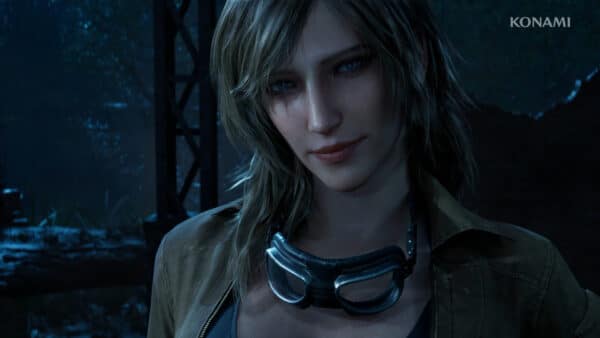
So, yeah, I went into Delta with a lot of worries that Konami would somehow mess something up, or change things for the sake of being modern and appropriate, and sanitize the content to the point that it loses what made it so special in the first place. But you know what, outside of not having the original Metal Gear Solid Online (a new Fox Hunt mode is coming post-release) and Duel Mode, Konami has perhaps created one of the most faithful remakes I have ever played. Just how faithful, you ask? Well, it would probably be easier for me to list what has been changed than to list what hasn’t.
Beyond the visuals (more on this later), which are beautifully built on Unreal Engine 5, Metal Gear Solid Delta introduces some welcome quality-of-life improvements, such as a control scheme with a controllable third-person camera. Now, don’t go in expecting the combat to drastically change, or be in line with say, Metal Gear Solid V. It wouldn’t make any sense, not just in terms of the original coming well before it, but in the lore sense of things. This is Big Boss’s first major mission, and he isn’t even known as Big Boss, but simply as Naked Snake. Essentially a rookie, so the “dated” gameplay works here, but for the sake of making things better than they were on the original PS2, the controls have been “modernized.” If you don’t fancy that, Konami has included a Legacy mode that returns the game to its classic fixed cameras and original control schemes. It’s the best of both worlds, catering to both long-time fans and new generation players.
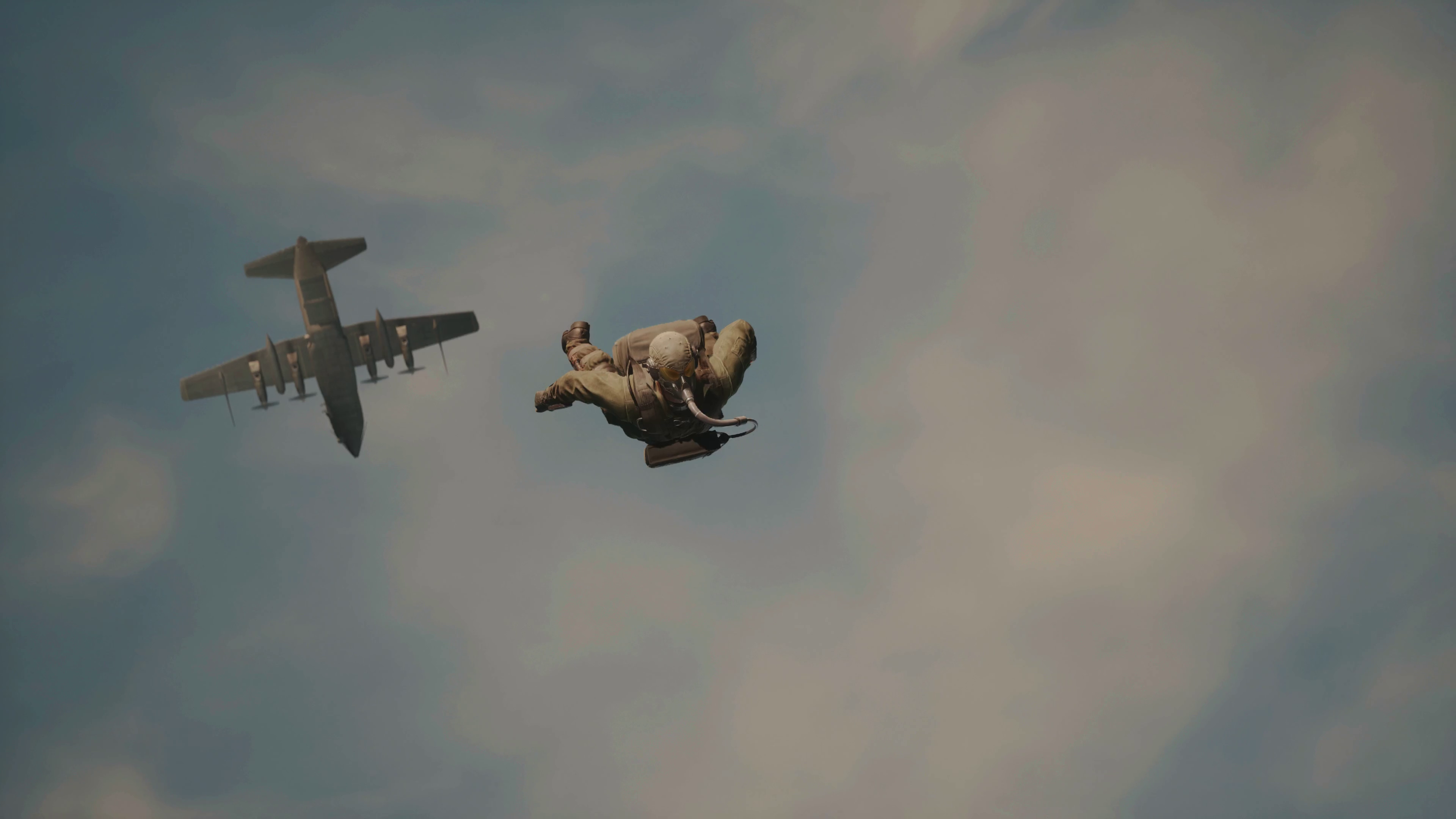
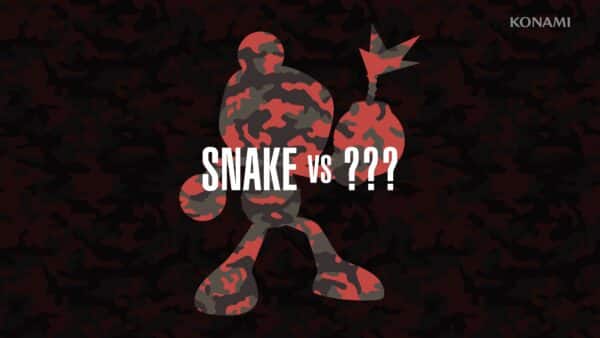
Snake vs. Ape is back, and in almost the same glory as it originally was, except that there are more Apes, with even a surprise PlayStation cameo added. Elsewhere, Demo Theatre and Secret Theatre are back, with the former even keeping Eva’s Peep Show. For Secret Theatre, there’s been a change: the videos featured now have to be unlocked by collecting tapes from specific enemies. However, for those hoping that every original video in the Secret Theatre was remade, you might be a bit disappointed to learn that they are the original videos. It would have been fun to see some of those completely remade, like the one featuring Raiden (MGS2 protagonist) and a few others, but they’re still great to watch. There is a reason why they locked them behind item collecting: they’ve made three new Secret Theatre videos. No spoilers, but yeah, they’re hilarious and have some of the most random things in them.
Speaking of collectibles, Metal Gear Solid Delta: Snake Eater features all of the same collectibles (as well as new ones) as the original game: same camos, special items, face paint, and titles. All 64 Kerotan frogs make a return, too, and not only that, but they added 64 orange GA-KO ducks that also have a secret unlockable tied to them.
The camo system remains the same in that you can use certain camos to blend into your environment, and enemies will have a hard time spotting you. But now, there’s a menu to access your recently used camos/face paints without having to navigate the main menu to get to it. Small, but handy system that works seamlessly and brilliantly during combat.
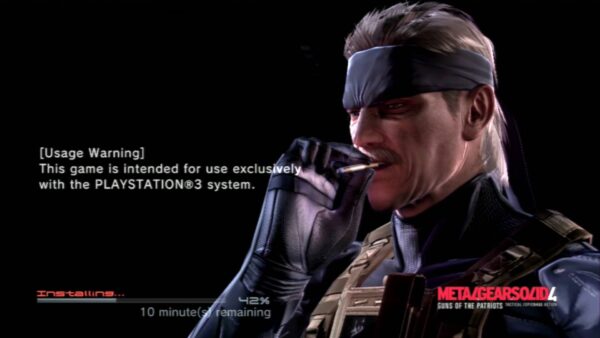
There is one more thing that I won’t entirely spoil. It was featured in the original MGS3 releases, but cut out in the HD version. It’s back, though completely rebuilt as something “new.” New players won’t understand this, but for the old fans out there, let’s say it’s something that’ll sink its teeth in. I probably said too much here, and if you know, then you know.
Beyond this, and maybe a few other things (new battle damage system), Metal Gear Solid Delta is the exact same game in terms of features and mechanics as the original. I mean it, enemy placements are the same, as are item placements, and even structures. I’m a bit rusty, so when I did my European Extreme run (yep, that’s in too), I followed a guide for it. Mind you, this guide was for the original game, meaning I followed the same steps made for a twenty-plus-year-old game, and it was down to almost everything. I did notice that grenade throws are a little weaker in Delta than it was in the original. There are also some changes (I might be wrong) made to some of the bosses.
I don’t recall The Pain having two sets of armored bees when you threw a grenade at him. I remembered his bees flying off him when he got hit by a grenade, but here it only gets rid of one layer of it. I don’t mind the change too much, and it seems the bosses are more challenging to cheese than they were in the original. Take the End for example, the Konami Code still works, but instead of being shown his location on the map, he’ll now say a line or two with each input of the code, mocking you for trying to cheat. It’s good humor, and it’s not like his fight was ever hard to begin with. But for the most part, the fights are pretty much the same with some slight differences that aren’t all that drastic, if not more challenging.
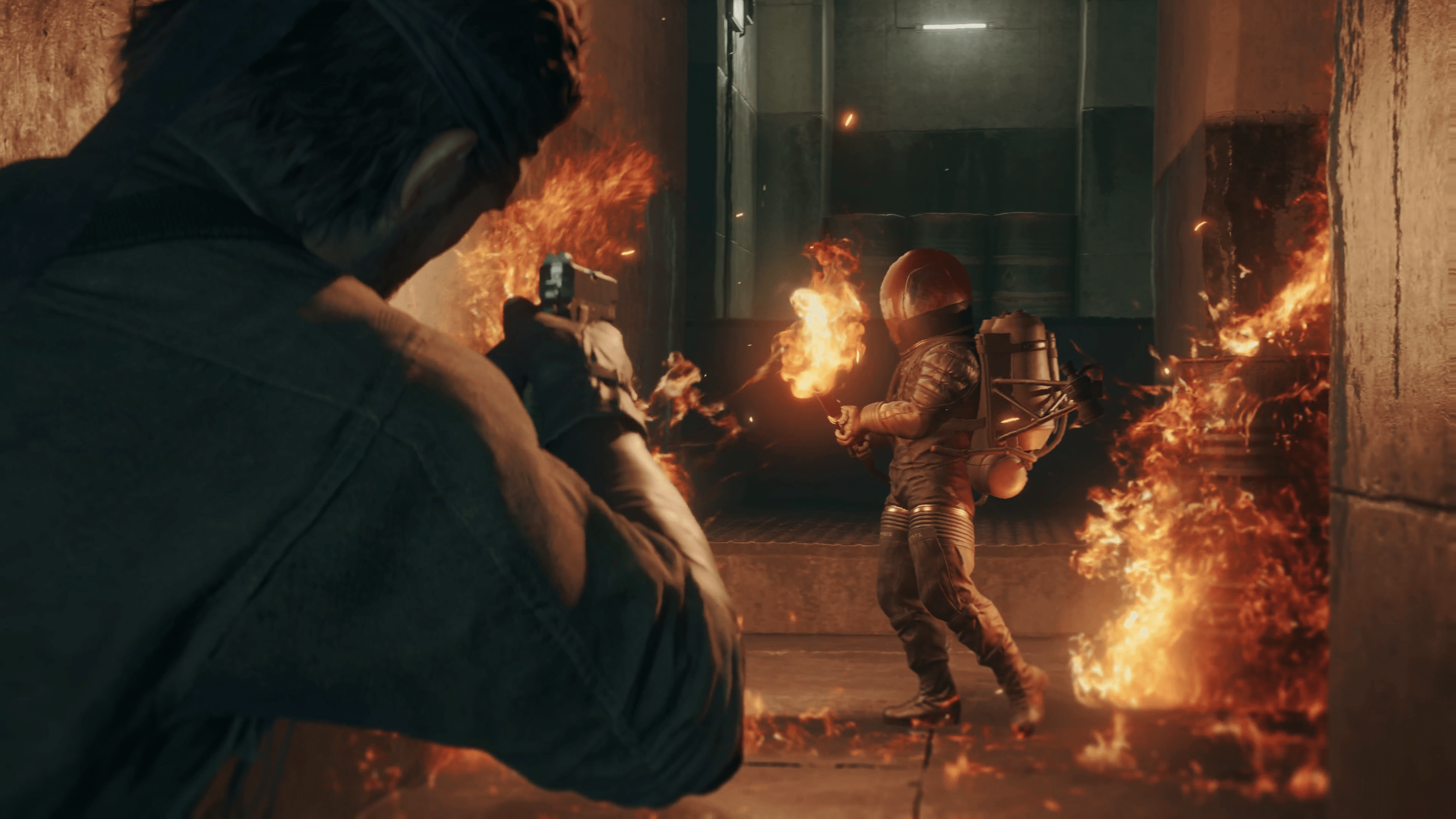
I think the only concern for old fans might be that the game features autosaving, which happens every time you enter and leave a region. You can breeze through European Extreme by abusing this, as it doesn’t count towards your total saves, and you can reload freely until you perfect an area. I’ll say it, I hope it gets patched because it defeats the save condition for any of the titles that require a low amount. There’s almost no reason to manually save because of it unless you want to make a backup in case you miss something.
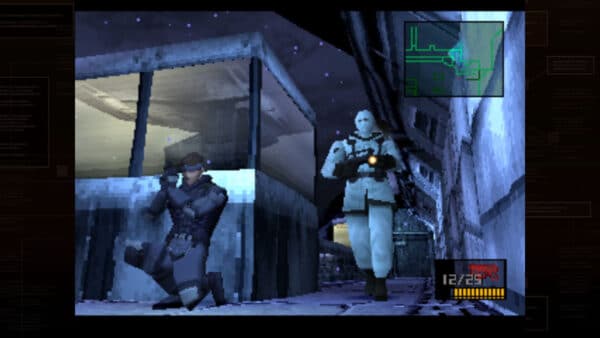
But besides those changes, which I would consider to be pretty minor, this is the very same Metal Gear Solid 3 that we all remember and love. My first playthrough of the game had me going in fresh, not having played MGS3 for a couple of years now. So I was a little rusty, but it didn’t take too long to get back into the swing of things. As I passed through each zone in the game, memories started flooding back to me, and I began testing specific actions and trying to trigger some Easter eggs and such. All of the End’s deaths and cutscenes are there, including the ones where you change the date. You can cause a time paradox by killing a particular character early on. You can spin Snake around in the cure menu to cause him to throw up. All the hidden R1 sequences are intact, with all their goofiness, like Ocelot appearing randomly in the background of one of them. Heck, even though the main start menu is different with an environmental view, you can control all kinds of functions of it, like in the original game. Switching to Legacy mode also changes the main start menu to the classic one, where Snake is performing CQC on another soldier. Watching the intro sequence with the Snake Eater theme features fun little button interactions, such as the singer whispering “Snake Eater” or changing the credits language, amongst other things. It’s all there, and no matter what I wanted to test out, the remake just kept surprising me with all the little and big things it kept in.
The iconic soundtrack, composed by Harry Gregson-Williams and Norihiko Hibino, is thankfully untouched. The voice acting is also the original, with legendary performances from David Hayter as Naked Snake, Jodi Benson as Eva (still credited as Suzetta despite the confirmation), Josh Keaton as Ocelot, Neil Ross as Volgin, and Lori Alan as The Boss. Their delivery remains as impactful as it was 20 years ago, and it’s a huge relief that Konami didn’t attempt to recast (some have sadly passed) them, or even re-record their performances. As much fun as it would be to see them re-act their lines again, a huge part of why that all came together was because of the original team behind the game. Additionally, all of their performances hold up surprisingly well, considering the game’s age. The original Japanese audio is there too.
So much love and attention to detail went into how the game works, making it hard to believe that this is an entire remake, to begin with. It almost feels like they overlaid the new visuals on top of the existing game. That sort of sums up this remake as a whole; it’s the same, fantastic game in nearly every way we want it to be. No deviating for the sake of pushing a new interpretation of the same story in hopes of expanding it, or anything like that. It’s the kind of remake fans want out of games they want remade, where all you want is the exact game, only with visuals of today. MGS3 blew me away as a kid, and now, decades later, I’m still blown away by how ahead of its time the gameplay and story were, only now it looks even better.
Camo Index: 100%
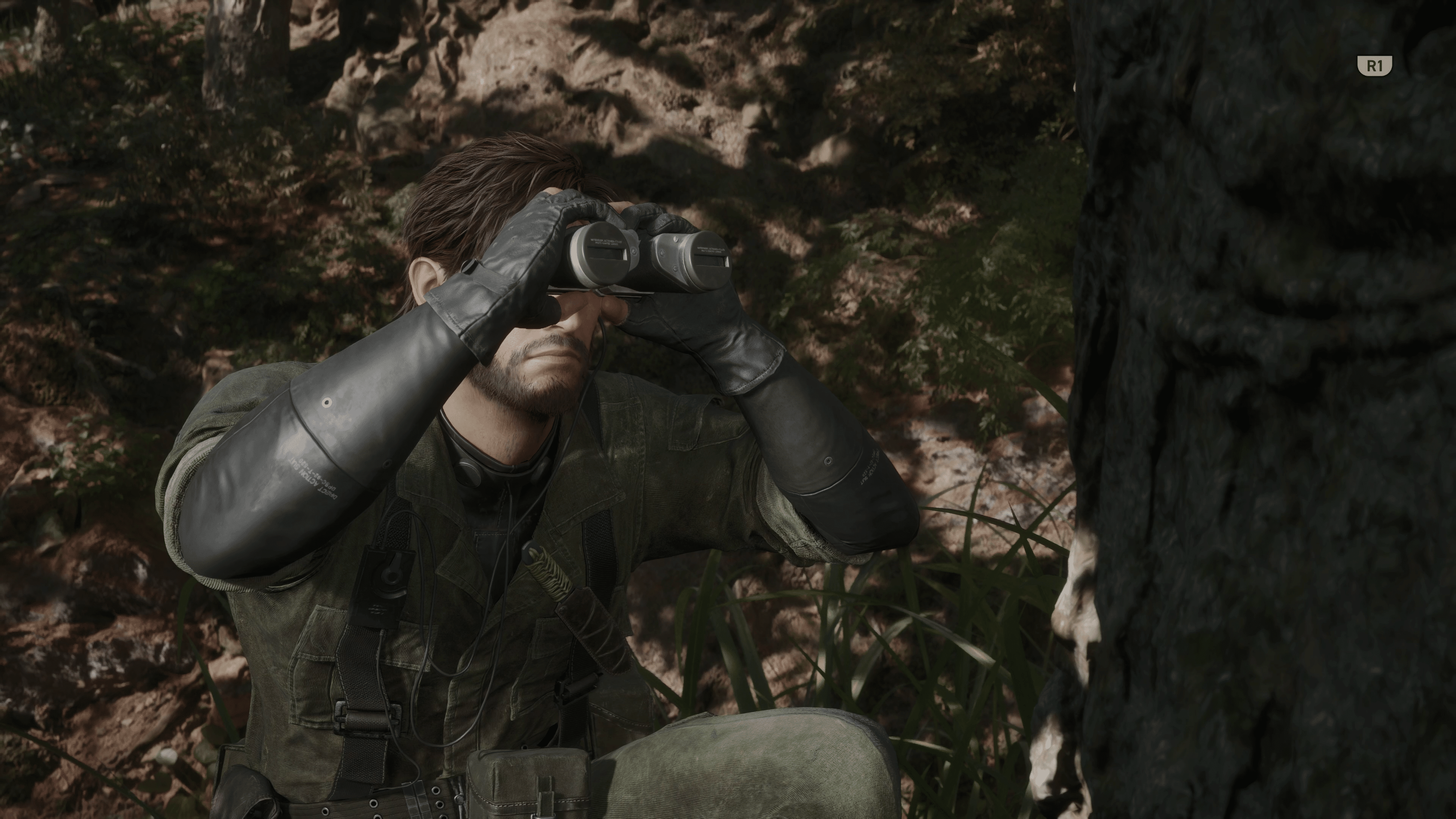
The most significant difference between Metal Gear Solid Delta and Metal Gear Solid 3 is the pretty big, obvious one: the visuals. Remakes are always tricky because, more often than not, they get the visuals wrong or lose the “charm” that made the original so appealing. Old games usually look better, at least artistically, and that’s in part due to the technical limitations and a studio finding a solution to capturing the very thing they want to deliver, while working around those restraints. Of course, that’s becoming less of an issue with all the modern advancements we have today, but there’s a good reason why so many prefer the original over a newer version of a game. So the question is, does Metal Gear Solid Delta manage to capture the essence of the original Metal Gear Solid 3? Before I try to answer that, let’s first talk briefly about the performance.
Being built on Unreal Engine 5, I had some concerns going into Delta because Unreal Engine games are often plagued with frame rate issues. Now I’m not saying it’s a perfect, locked 60fps across the board, because there were some dips, and possibly pacing problems here and there. But playing Delta on the PS5 Pro, I was pleasantly surprised by how smooth my experience was—certainly one of the better Unreal Engine-developed games I’ve seen running in terms of frame rate. I can’t attest to the Xbox or PC version of the game, so hopefully the experience is as smooth there as it was here. Much better than the Silent Hill 2 Remake when I played that at launch, and by no means are the dips as noticeable as they were there.
Honestly, if I weren’t actively looking for those dips, I probably wouldn’t have noticed much of them. I’ve already spent over 70 hours on this game, and despite that, I’ve had only one or two significant dips that made me think my game was about to crash. So performance shouldn’t be a concern here, at least on the PS5 Pro. For the PS5 Pro, I don’t believe PSSR is being used; instead, FSR3 is being utilized.
With that out of the way, let’s take a look at the visuals of Metal Gear Solid Delta.
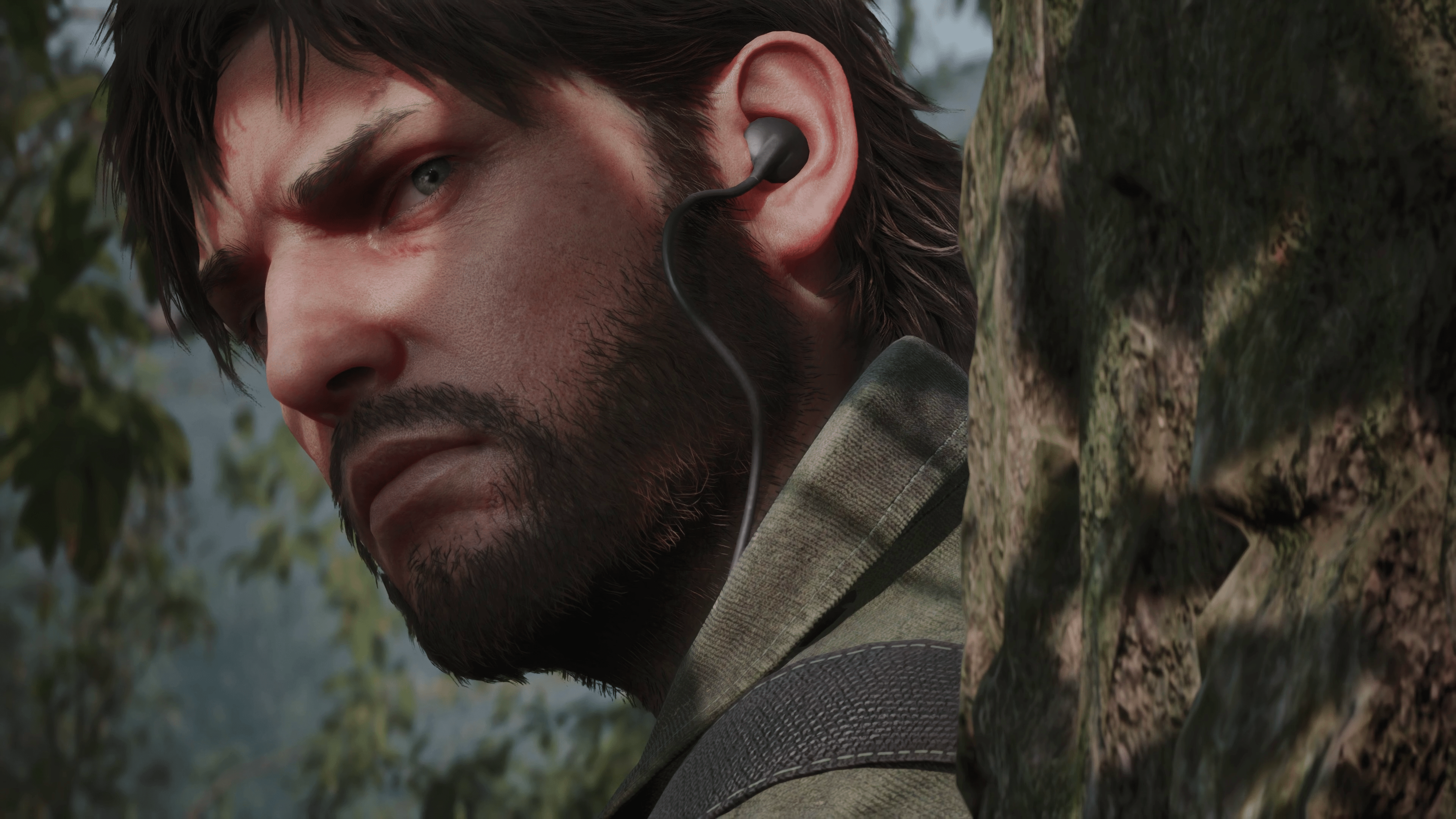
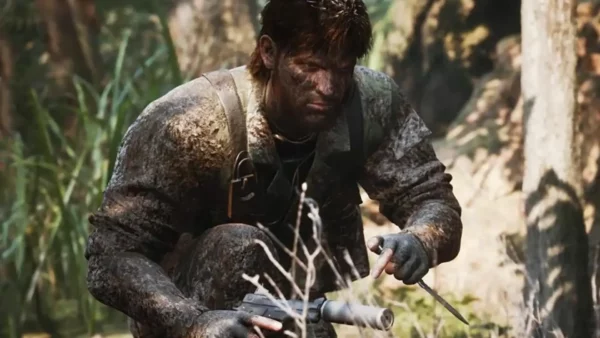
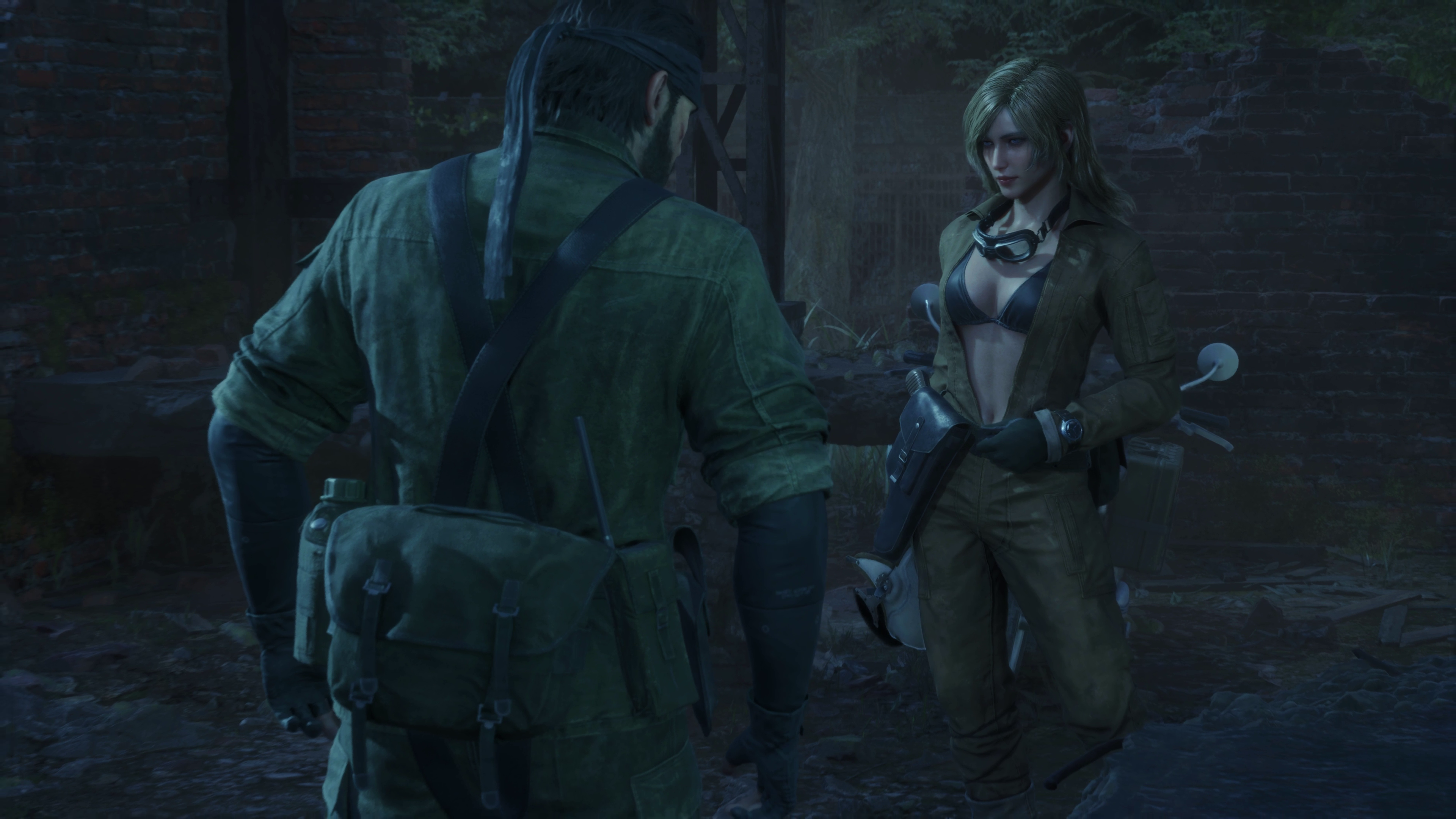
With the power of Unreal Engine 5, Konami has managed to achieve something that many have already described as Delta being a more “realistic” take than the original game. Everything in the original game has been redone under the new engine, and it, in all honesty, looks fantastic.
Of course, the visual overhaul won’t be for everyone. Some may feel it doesn’t quite capture the same feeling as the original, even with classic filters like Legacy and Nostalgia, which add the “piss” filter, as many would call it. I can agree with this, as there are some parts of the game, such as when we first see Volgin on the bridge. Much of the “aura” that was in part created by the lighting, as well as the way rain and fog rolled in, isn’t as present in the remake as it is in the original. In the original, the color grading changed completely, going from that yellow tint to a cold blue as it began raining blood. The remake becomes darker with the lighting, rather than undergoing a full color shift. Sure, it sounds like a small thing, but it does make the scene feel a little different from what it did in the original.
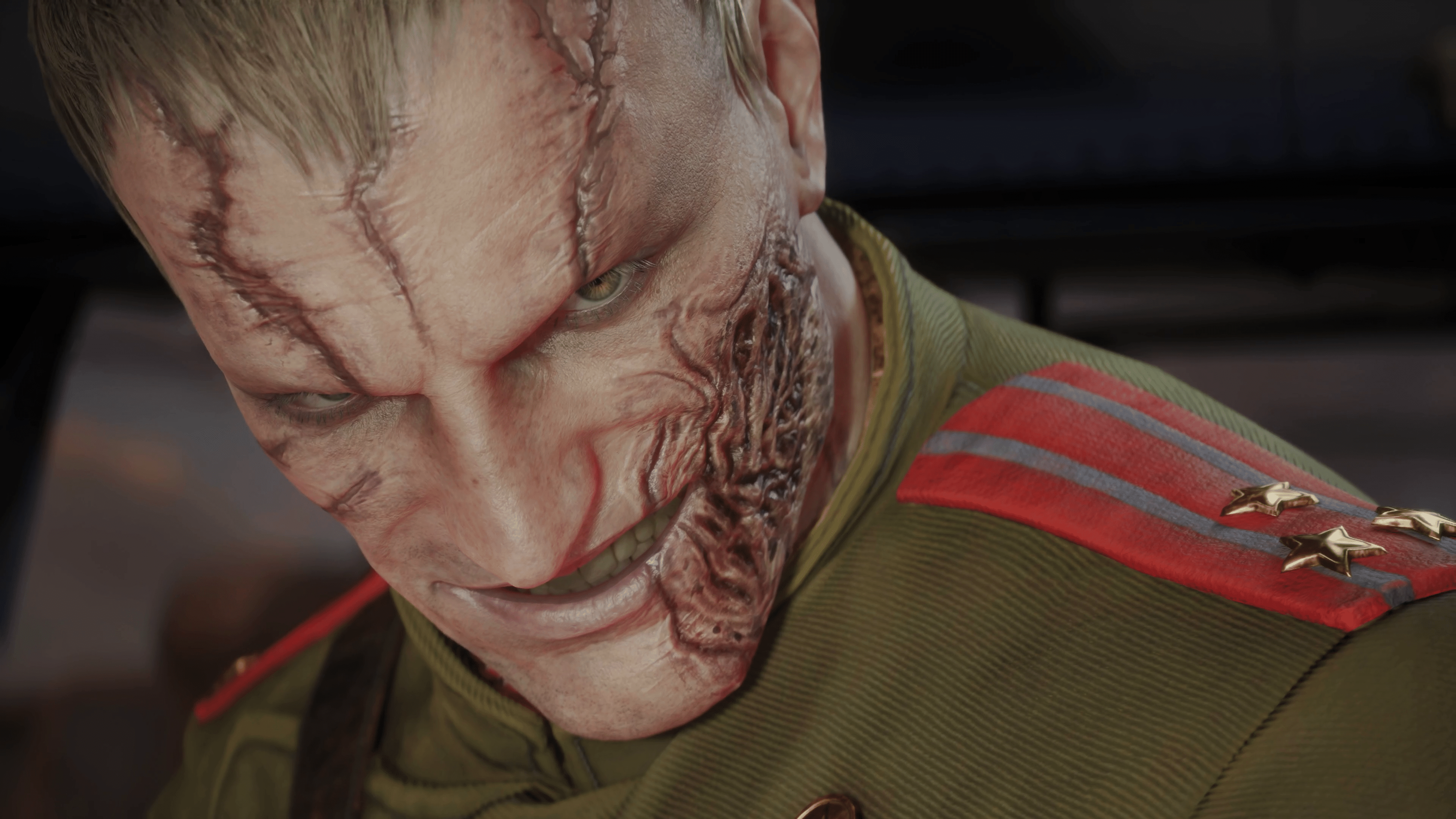
On the other hand, when The Boss mentions it’s raining blood, you can tell it’s blood this time around with red streaks even going down the characters’ faces. The remake highlights details that weren’t as prominent in the original, and although some instances feel like the lighting and color tone have changed significantly, it still does a fantastic job of evoking the same feeling as the original. I think it does it even better in some parts, especially with the more grotesque facial features of bosses like Volgin, The Pain, and The Fury. The Fury is one of my favorite bosses (they all are, honestly) in the game, mostly due to the intense atmosphere he brings. I was somewhat terrified to see what he does after you beat him in the original, and in the remake, you can see just how much more horrific it is.
Another example is The Sorrow, who now resembles Ocelot more closely, particularly in his MGS4 appearance. Considering the relationship and all, that makes sense, but remake brings it closer in line, which I thought was a “flicks fingers” pretty good. They’re small details, but with the improved graphics and higher-resolution textures, Konami wastes no time in ensuring things look as good as they possibly can in the remake, with minor, welcome changes.
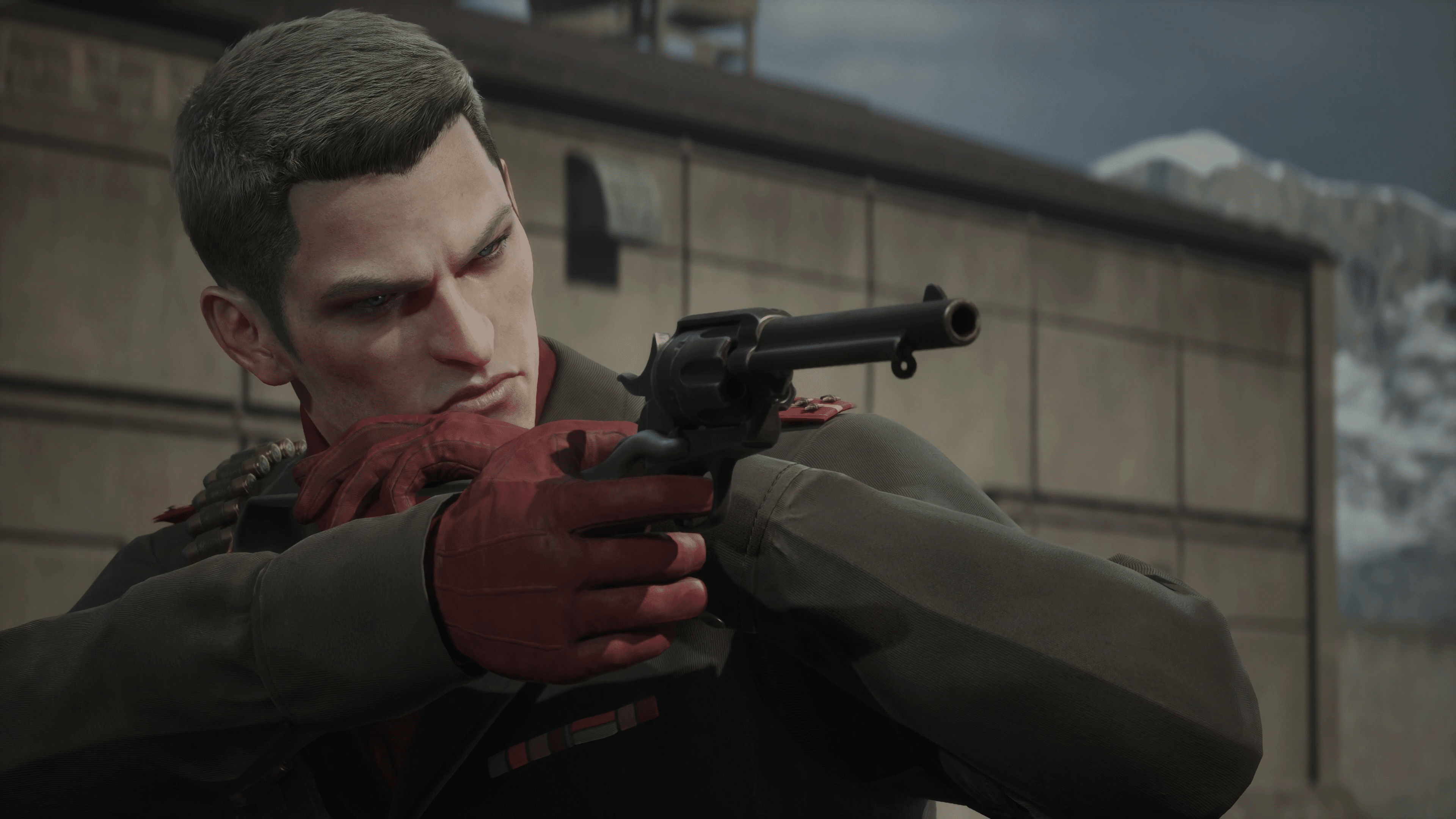
While I know that the more “realistic” art style and changes to the color grading in certain scenes won’t be for everyone, I believe it’s a testament to the development team’s skill that they’ve managed to invoke the same feeling as the original. The moments that hit hardest in the original, the visceral horror of some of the characters, and the sheer presence that some of them have, are arguably even more impactful in Delta due to the added graphical fidelity and detail. Konami has taken the spirit of the original and translated it for a modern audience, not by blindly recreating it, but by finding new ways to achieve the same emotional response.
Legacy Secured
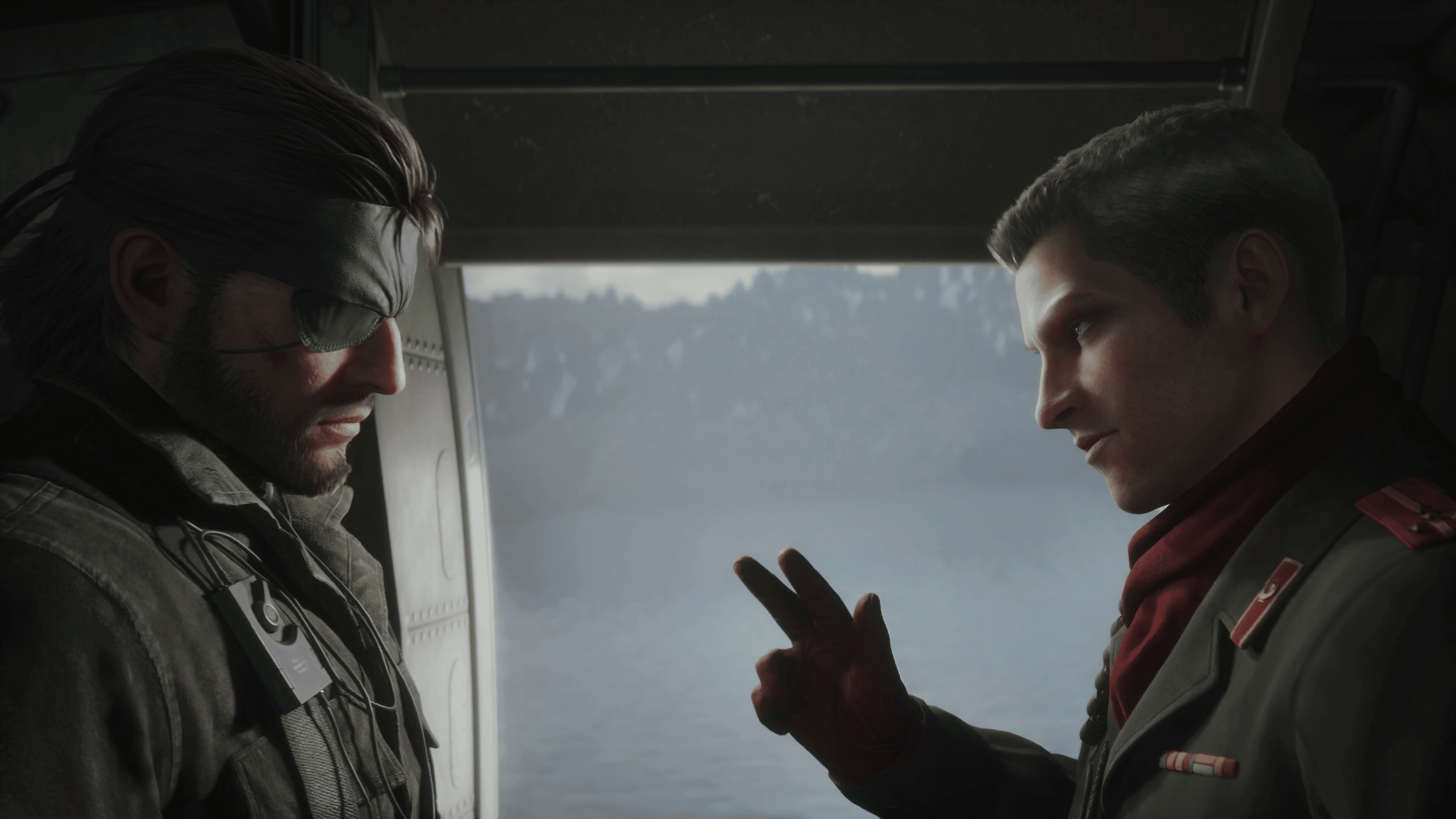
This brings me to my final point: there’s room for both games. Metal Gear Solid Delta: Snake Eater isn’t necessarily a replacement for the original, despite being a remake. The original MGS3, with its unique art direction and tight, deliberate design born from the constraints of the time, still holds up incredibly well today, so much so that the remake maintains the gameplay through and through. That’s twenty plus years later, mind you, which tells you how much ahead of its time it truly was. Delta, on the other hand, is more of a complementary experience. It’s a way for players to revisit a classic story with visuals of today and a fresh perspective, especially for a new generation of players who might be put off by the original’s outdated graphics and controls.
Ultimately, I believe that Konami has delivered a remake that honors its source material in every way possible. This is all the more impressive when you consider the elephant in the room: the absence of Hideo Kojima and his original team. The messy departure from Konami left many fans, myself included, pretty angry and unforgiving of Konami. The thought of them ever continuing the franchise in any way, without its creator’s guiding hand, felt like such an impossible task. I’m still not convinced they could make an entirely new entry, given the pushback they’ll get. However, in terms of what might spark a remake renaissance for the franchise, it feels like a profound act of respect for the original team’s work. The new team has not tried to reinvent the wheel or stamp their ego on the game. Instead, they have meticulously and faithfully preserved the original’s essence, from its voice acting to its level design, down to every imaginable secret and wacky moment the original game had.
I would still recommend anyone interested in playing Metal Gear Solid 3 to play the original release, whether that’s the PS2 version if they can get their hands on it, or the HD rereleases. But the remake is definitely going to deliver a truly special experience, and it’s the definitive version for new players. For fans like me, it’s a nostalgic trip that feels both fresh and familiar, a perfect tribute to a game that’s truly timeless. Metal Gear Solid Delta: Snake Eater is not just a remake; it’s a celebration of a masterpiece, a project made with so much love and respect for the source material that it feels like it was developed by the very people who created the original. And that, in itself, is a testament to its quality and why it’s one of the best remakes I’ve ever played.
Score: 10/10

Pros:
- Extremely faithful to the original, down to all the secrets, and even restored cut content that the HD versions lack.
- Stunning visuals, with impressive performance on the PS5.
- One of the best stories in the Metal Gear Solid franchise.
- Gameplay holds up well despite essentially being the same as it was over twenty years ago. Aged line fine wine if you ask me.
- The voice acting is just sheer perfection. Still has the same emotional impact we all remember.
- The ladder scene.
Cons:
- If your first Metal Gear Solid game was Metal Gear Solid V: The Phantom Pain, then the gameplay may feel a bit “dated” here. This is no con, and I highly recommend you give it a chance, as you’ll find it to be much deeper than it may first present itself as.
Metal Gear Solid Delta: Snake Eater review code was provided by the publisher. You can read MP1st’s review and scoring policy right here.